Hungary Rejects Orban’s Authoritarianism, Embraces Europe
Hungary has ousted Viktor Orban after 16 years in power, with Peter Magyar's Taisa party winning a decisive victory. The election saw record turnout and a clear rejection of Orban's authoritarian policies. This outcome signals a significant shift towards pro-European and democratic values, impacting both Hungary and the wider European Union.

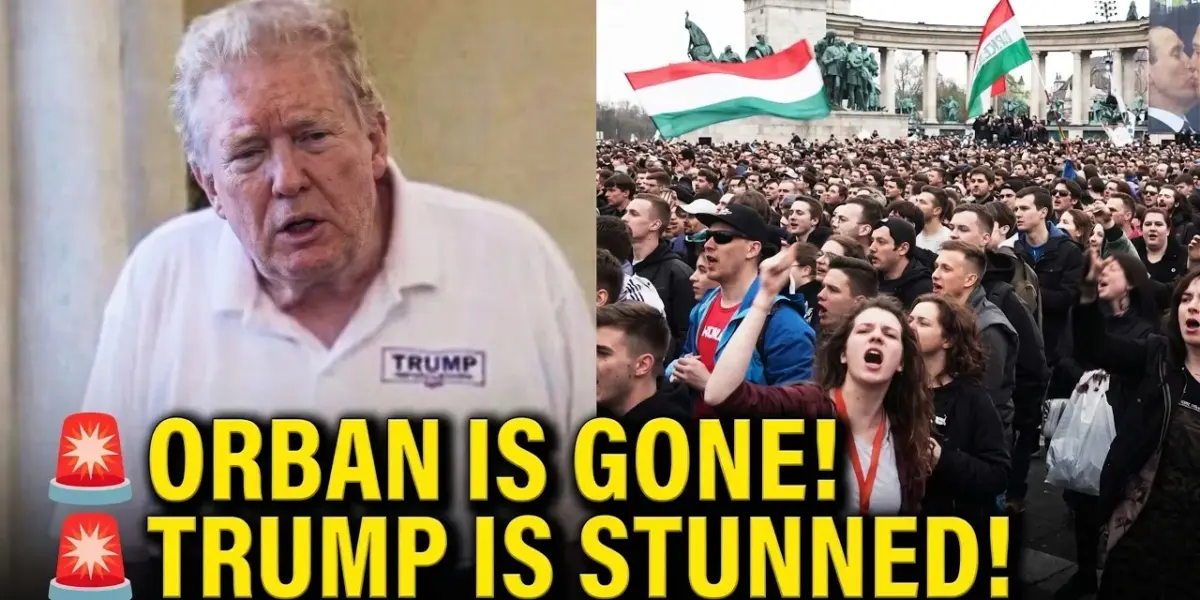
Hungary Ousts Orban in Landslide Victory
In a stunning turn of events, the people of Hungary have voted to end Viktor Orban’s 16-year grip on power. Record-high voter turnout, around 78%, signaled a strong desire for change. Peter Magyar and his pro-European Union party, Taisa, secured a decisive victory, projected to win a supermajority in parliament. This outcome signals a significant shift away from Orban’s nationalist and increasingly authoritarian policies.
A Clear Mandate for Change
The projected results show Taisa party leading with 53% of the vote, a substantial margin over Orban’s party. With projections indicating a supermajority, Taisa may gain the power to change Hungary’s constitution. This ability to enact significant constitutional reform underscores the magnitude of the electoral shift. Orban has officially conceded the election, calling Peter Magyar to congratulate him on the win. This marks a clear repudiation of Orban’s leadership and his party’s direction.
International Support for Orban Falls Flat
The election saw significant international attention, particularly from figures aligned with Donald Trump and the MAGA movement. Donald Trump repeatedly endorsed Orban, sending messages and dispatching surrogates like Marco Rubio and JD Vance to Hungary. The MAGA movement also held a CPAC event in Hungary, highlighting their support for Orban. Even Benjamin Netanyahu’s son publicly backed Orban. Despite these efforts, Hungarian voters opted for a pro-European and democratic future, rejecting the influence of these international endorsements.
“Europe’s heart is beating stronger in Hungary tonight,” stated Ursula von der Leyen, President of the European Commission, in response to the election results. This sentiment was echoed by many who see Hungary’s vote as a reaffirmation of its commitment to European values and solidarity.
Echoes of Trumpism Rejected
The narrative presented by the opposition and international observers framed the election as a choice between aligning with authoritarian figures like Putin and Trump, or embracing Ukraine, Europe, and the free world. Hungarian voters, by a wide margin, chose the latter. This rejection of Orban can be seen as a rejection of the political style and policies championed by Donald Trump and his allies, who had actively sought to bolster Orban’s position.
Hungary’s Role in the EU and Ukraine
Hungary under Orban had often acted as a roadblock within the European Union, particularly regarding support for Ukraine. Orban’s government frequently vetoed EU measures and was seen by many as a conduit for Russian influence. Peter Magyar’s victory is therefore significant for Ukraine and for the broader European Union. It signals a potential end to Hungary’s obstructionism and a renewed commitment to collective security and European unity, especially in the face of Russian aggression.
A New Chapter for Hungary
The concession speech from Viktor Orban acknowledged the clear election results, stating, “The responsibility and opportunity of governance were not given to us.” He congratulated the winning party, marking a formal end to his long tenure. The election of Peter Magyar represents a pivotal moment for Hungary, ushering in an era focused on democratic principles, European integration, and a stronger stance against authoritarianism. The celebrations in Hungary reflect a nation hopeful for a more open and democratic future.
Why This Matters
The ousting of Viktor Orban is more than just a national election outcome; it carries significant weight for the future of European politics and the global struggle between democratic and authoritarian forces. Orban had become a prominent figurehead for a rising tide of nationalist, anti-immigrant, and illiberal populism across Europe and beyond. His defeat, especially with such strong international backing from figures like Donald Trump, suggests that voters may be growing weary of such politics. It sends a powerful message that attempts to undermine democratic institutions and align with authoritarian regimes can be rebuffed by the electorate. Furthermore, Hungary’s shift could have a tangible impact on the European Union’s ability to act cohesively on critical issues, particularly concerning Russia and the ongoing war in Ukraine. A Hungary more aligned with EU values could strengthen the bloc’s resolve and its support for nations under threat.
Implications and Future Outlook
The implications of this election are far-reaching. For the European Union, it means the potential removal of a significant internal obstacle to policy consensus, particularly on foreign policy and security matters. Hungary’s new leadership is expected to foster closer ties with Brussels and other EU member states, potentially leading to a more unified front against external threats. For the United States, it represents a setback for the faction of the Republican party that has aligned itself with Orban’s brand of populism. It suggests that this political model may not resonate as strongly with voters as its proponents had hoped. Looking ahead, the success of Peter Magyar’s Taisa party will depend on their ability to deliver on their promises of reform and to effectively govern. If they can successfully steer Hungary back towards democratic norms and strengthen its European ties, it could inspire similar movements in other countries grappling with similar political challenges. Conversely, any missteps could create an opening for a resurgence of nationalist sentiment.
Historical Context
Viktor Orban first came to power in 1998 and returned in 2010, gradually consolidating power and reshaping Hungary’s political landscape. His governments implemented policies that critics argued eroded democratic checks and balances, curtailed press freedom, and undermined judicial independence. He often positioned Hungary as a defender of Christian values against liberal European trends and maintained close ties with Russia, often at odds with EU policy. His political style, characterized by strongman rhetoric and a focus on national sovereignty, resonated with a significant portion of the Hungarian population. However, growing discontent over corruption, economic stagnation, and a desire for closer integration with the West created fertile ground for the opposition. The recent election marks a significant departure from this path, echoing Hungary’s post-communist aspirations for democracy and European integration that Orban had, for many, seemed to abandon.
Source: 🚨Trump STUNNED as HUNGARY OUSTS VIKTOR ORBAN!!! (YouTube)

Related Articles

Vance’s Hungary Trip Backfires as Orban Suffers Shock Defeat
Senator JD Vance's recent visit to Hungary to support Prime Minister Victor Orban backfired spectacularly when Orban suffered a shocking election defeat. This outcome highlights the risks of foreign political endorsements and sends a powerful message to far-right movements globally.


Journalist Warns: Truth Under Threat in America
Journalist Jim Acosta warns that America faces a dangerous time for truth-telling, where power can crush verifiable facts. He highlights escalating pressures on the press, from revoked credentials to death threats, and links these issues to media consolidation and the rise of self-censorship. Acosta stresses the vital role of a free and independent press in safeguarding democracy.


Judge Cites First Amendment in Pentagon Press Access Ruling
A federal judge has again ruled that the Pentagon violated the First Amendment by restricting press access. The judge criticized the Pentagon's attempts to evade his previous order, emphasizing the vital role of a free press in a democracy. This decision underscores the ongoing tension between government transparency and control over information.