Hungary Ousts Orbán, Shifting EU Power Balance
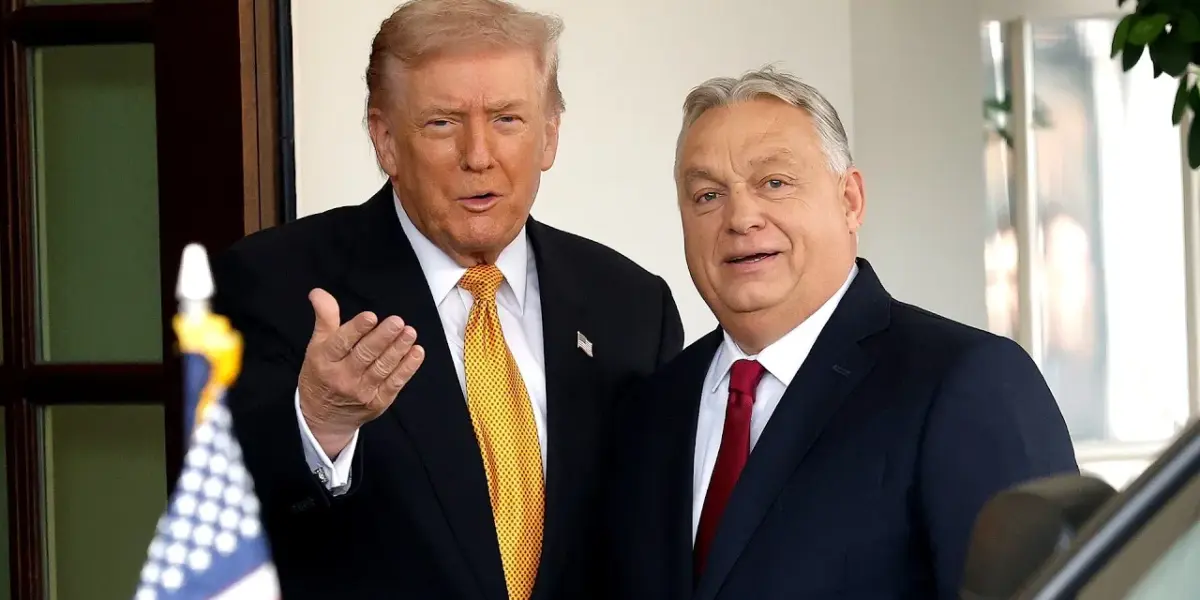
Hungary has elected Peter Magyar, ousting longtime leader Viktor Orbán. This shift could reshape Hungary's role in the EU, moving away from Orbán's confrontational stance towards greater cooperation. Voters sought change, less corruption, and improved economic prospects.

Hungary Ousts Orbán, Shifting EU Power Balance
Hungary has a new leader, Peter Magyar, after Prime Minister Viktor Orbán conceded defeat. Orbán, who has been in power for 16 years, lost to Magyar’s center-right, pro-European Union party. This change is a big deal for Hungary and the European Union (EU), which is a major economic and political force. Orbán has often clashed with EU leaders and has blocked aid to Ukraine. He also continued to buy Russian gas, even though the EU has sanctions against Russia. His supporters saw him as a fighter for Hungarian values against the EU’s bureaucracy. This is why he was popular with the MAGA movement in the United States.
Why This Election Matters
The election result is significant because Hungary, though small, has been a source of disagreement within the EU. Orbán’s policies have often gone against the EU’s direction. His defeat suggests a potential shift in Hungary’s relationship with the rest of Europe. The European Commission President, Ursula von der Leyen, welcomed the news, saying, “Europe’s heart is beating stronger in Hungary tonight.” She believes Hungary has chosen a path that strengthens the EU.
New Leadership and Voter Sentiment
Peter Magyar, whose last name means “Hungarian,” is seen by many voters as a fresh alternative. Many Hungarians, especially younger voters tired of the same leadership for 16 years, were looking for change. They also want less corruption and fewer scandals that have put Hungary in the headlines. Orbán’s party has been accused of blocking important EU decisions and deals related to Russia. The voters’ message seems to be a desire for a more “normal” approach to politics, focusing on cleaning up corruption and improving the economy.
US Involvement and Its Impact
Before the election, US Vice President JD Vance visited Hungary to show support for Orbán. This visit was intended to boost Orbán’s chances with international backing. However, some reports suggest that Vance’s rally may have actually hurt Orbán’s support, according to betting odds. Analysts believe that while the MAGA movement in the US admires Orbán’s “America First” style, his re-election wasn’t solely dependent on this. Vance’s visit might not have been the deciding factor.
Orbán’s Stance and Magyar’s Position
Orbán, while conceding, initially stated that the results weren’t final, but acknowledged they were clear. He said his party would continue to serve Hungary from the opposition. Magyar, speaking to supporters, thanked them for a historic turnout. He emphasized that over six million Hungarians voted to decide their country’s future. While Orbán is considered far-right, Magyar’s party is center-right. Importantly, Magyar is not seen as a far-left liberal. He was a former member of Orbán’s party before leaving due to a scandal involving a presidential pardon. This means he might still have good relations with a future Trump administration.
Broader Political Implications
House Minority Leader Hakeem Jeffries commented on the election, calling Orbán a “far-right authoritarian” and suggesting that Trump’s supporters in Congress are “next.” He sees this as a sign of trouble for Republicans in the upcoming US elections. However, analysts suggest that this election’s impact on US politics might be limited. They believe that issues like gas prices and global security, such as the situation in the Strait of Hormuz, will likely have a bigger effect on American voters. The Hungarian election is seen more as a voter’s exhaustion with the status quo and a desire for change, rather than a major ideological shift towards liberalism.
Future Scenarios
The shift in Hungary’s leadership could lead to several outcomes. Hungary might align more closely with EU policies, especially regarding aid to Ukraine and relations with Russia. This could reduce friction within the EU and potentially strengthen the bloc. However, given that Magyar’s party is center-right and he himself has a history within Orbán’s political sphere, a complete reversal of foreign policy is not guaranteed. Hungary may seek a more balanced approach, seeking to improve its economy and reduce corruption while navigating its complex geopolitical position. The relationship between Hungary and the United States, particularly if Donald Trump returns to the presidency, will also be a key factor to watch.
Global Impact
This election result is more than just a change in Hungarian leadership. It signals a potential recalibration of power within the European Union. Orbán’s consistent opposition to EU consensus had made Hungary a difficult partner. With a new, more pro-EU leader, Hungary could become a more constructive member of the bloc. This could lead to smoother decision-making on critical issues like security, economic policy, and foreign relations. It also sends a message to other nationalist leaders in Europe that voter fatigue with long-standing leadership and controversial policies is a real factor. The EU’s unity, especially in the face of Russian aggression and global economic challenges, could be strengthened by this change.
Source: Hungary’s longtime leader Viktor Orbán concedes defeat, ending 16‑year rule | NewsNation Live (YouTube)

Related Articles
Hungary Elects New Leader, Ending Orban’s 16-Year Reign
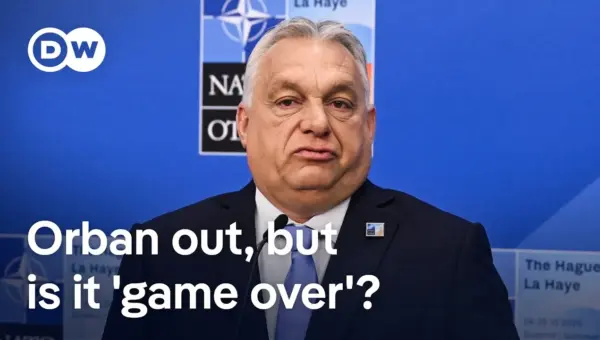
Hungary has elected opposition leader Peter Magyar as its new Prime Minister, ending Viktor Orban's 16-year rule in a landslide victory. Magyar's win signals a significant shift for the nation and its European relations, promising a move away from Orban's policies and a focus on restoring democratic institutions and combating corruption. Despite the change in leadership, Orban's influence through established networks may persist.
US Blocks Hormuz Blockade: Experts Warn of Oil Crisis
The U.S. Navy has initiated a blockade of the Strait of Hormuz, a vital global oil chokepoint, in response to Iran's actions. Experts like Ben Friedman of Defense Priorities are skeptical, warning the move could worsen the global oil shortage and might not achieve its intended goals. The strategy faces operational challenges and potential diplomatic pushback.

Ukraine Strikes Cripple Russia’s War Chest
Ukraine's targeted strikes on Russian oil and gas infrastructure are severely damaging Moscow's war funding capabilities. Analyst Jason J. Smart notes these attacks cripple Russia's economy, making it difficult to sustain the conflict and potentially destabilizing the Putin regime. Peace talks remain stalled due to Russian maximalist demands.