Hungary Faces Crossroads: EU Ties or Russian Alignment?
Hungary is facing a crucial election that will decide its future alignment with the EU or Russia. Growing public discontent over corruption and economic issues has propelled opposition leader Péter Magyar to prominence, promising democratic reforms. The nation's choice will significantly impact its role in Europe and its internal governance.

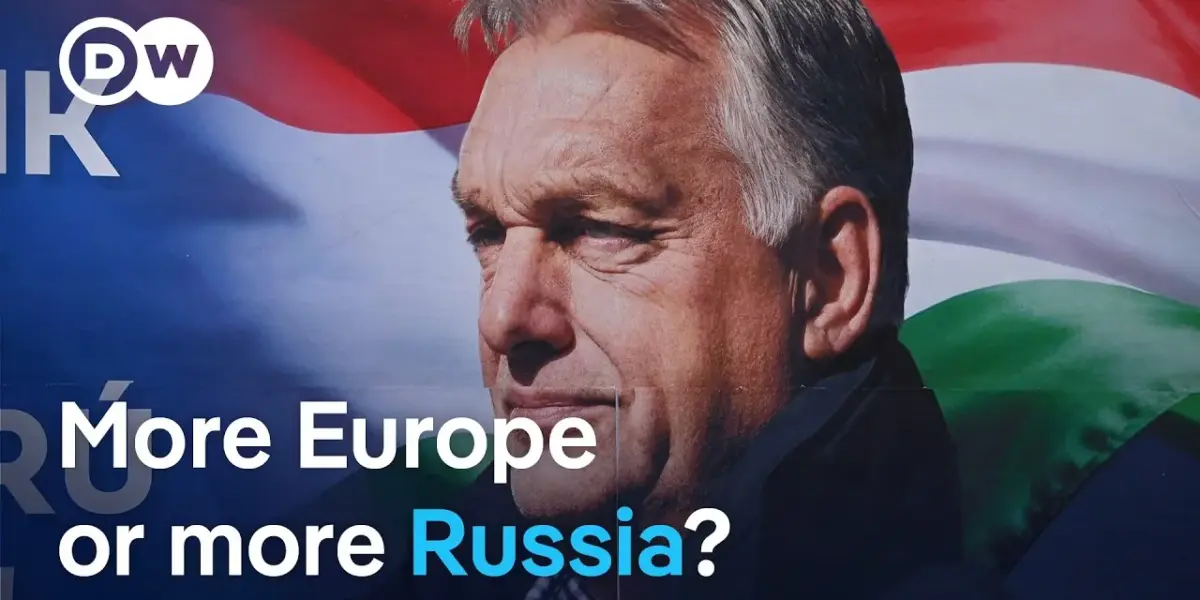
Hungary at a Turning Point: Choosing Between East and West
Hungary stands at a critical juncture, facing a pivotal election that will shape its future relationship with both the European Union and Russia. The nation is grappling with internal divisions and external pressures, with voters deciding whether to strengthen ties with Brussels or pivot towards Moscow. This election is seen by many as a referendum on Hungary’s democratic future and its place on the global stage.
Discontent Fuels Opposition Movement
Frustration with the current government, led by Prime Minister Viktor Orbán, is palpable. Many Hungarians feel that the country is becoming increasingly isolated and that corruption is rampant. “We don’t want to go to war. We don’t want our young people sent to war,” expressed one citizen, highlighting a common sentiment of wanting to avoid international conflict. Economic struggles also weigh heavily on the population, with salaries significantly lower than the European average and living standards among the lowest in the EU. This discontent has fueled the rise of opposition movements, most notably the Tisza Party, led by Péter Magyar.
Péter Magyar: A New Hope for Change?
Péter Magyar has emerged as a charismatic figure, resonating with a segment of the population eager for change. His supporters see him as a realistic alternative to the ruling Fidesz party. “If anyone hopes for any kind of change, then Tisza is the only realistic choice currently,” stated one supporter. Magyar promises to rebuild democracy and combat corruption, offering a stark contrast to the current administration’s policies. His message of aligning with Europe and steering clear of Russian influence appeals to those who feel Hungary has drifted too far from its democratic roots.
EU Funds and Corruption Concerns
A significant issue impacting Hungary is the freezing of billions in EU funds. These funds are withheld due to concerns over corruption and the rule of law. Transparency International ranks Hungary among the most corrupt nations in the EU. Critics argue that much of this money, if released, could significantly improve Hungary’s struggling education system and address other pressing societal needs. Young voters, in particular, are demanding changes, with many expressing disillusionment with the current state of affairs.
Education System in Crisis
The state of Hungary’s education system is a growing concern, especially among younger generations. Teachers report difficulties in engaging students with traditional curricula, suggesting a need for more relevant and critical thinking-focused education. Frugina Gintley, a literature and English teacher, earns a modest salary and lives with her parents to save money. She notes that the current teaching methods often fail to capture students’ interest, particularly with historical texts. “Without reading, there is no future,” she emphasizes, pointing to the importance of literacy and critical interpretation skills.
The Shadow of Russian Influence
Hungary’s relationship with Russia under Vladimir Putin remains a central theme in the political discourse. Critics accuse Orbán’s government of leaning towards Moscow, while supporters argue that Hungary must maintain its sovereignty and avoid Western-driven conflicts. “Those who love freedom must fear Brussels, not the East,” declared one individual, reflecting a sentiment that the EU poses a greater threat to Hungarian independence than Russia. This division highlights the complex geopolitical challenges Hungary faces as it navigates its alliances.
A Divided Nation Looks Ahead
As Hungary approaches its election, the nation remains deeply divided. The Tisza Party currently holds a significant lead in opinion polls, suggesting a strong desire for a new direction. However, the Fidesz party retains a dedicated base, and the political landscape is highly dynamic. The outcome will likely determine whether Hungary strengthens its democratic institutions and re-engages fully with the European Union, or continues on a path that aligns it more closely with Russia. The coming months will be crucial in defining Hungary’s identity and its role in Europe.
Hungary is at a critical juncture, facing an election that will determine its future relationship with the EU and Russia. Growing discontent over corruption and economic stagnation has fueled the rise of opposition leader Péter Magyar, who promises to restore democracy and combat cronyism. The nation’s path forward hinges on its ability to address internal divisions and navigate complex geopolitical pressures.
Source: Hungary's historic election: Russia or the EU? | DW News (YouTube)

Related Articles
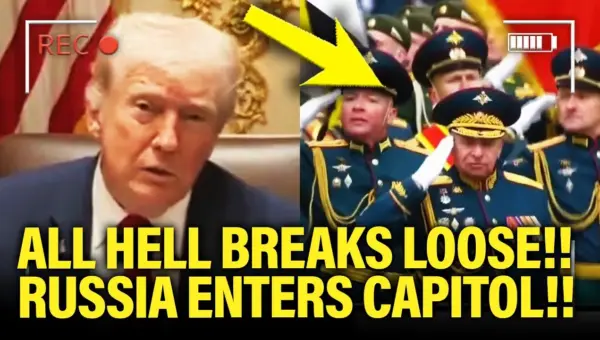
GOP’s Russia Ties Spark Alarm Amid Global Instability
Recent interactions between certain Republican lawmakers and sanctioned Russian officials have sparked significant concern. These meetings, occurring amidst escalating global tensions and allegations of Russian support for Iran, raise questions about U.S. foreign policy and national security.

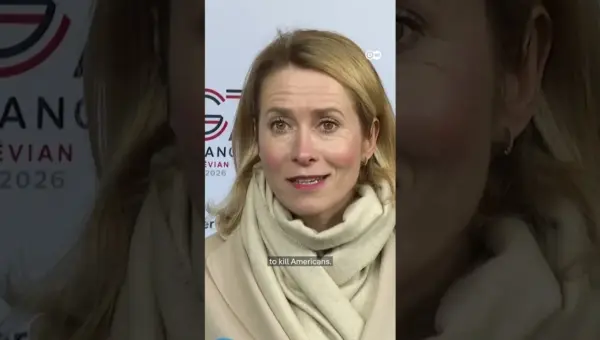
EU Envoy: Russia Aiding Iran in Attacks on Americans
The European Union's top diplomat, Kaja Kallas, has accused Russia of providing Iran with intelligence and drones used to target Americans in the Middle East. This alleged cooperation suggests a deepening alliance between Moscow and Tehran, potentially altering regional dynamics. The statement calls for a tougher U.S. response to Russia amid growing geopolitical tensions.
Trump’s Iran War Diverts Arms from Ukraine, Aids Russia
The U.S. is considering diverting critical weapons from Ukraine to the Middle East due to munitions depletion from the Iran conflict. This move could significantly weaken Ukraine's defense and inadvertently benefit Russia's ongoing war efforts, highlighting strained American military resources.