Hungary Elects New Leader, Ousting Orban After 16 Years
Hungary has elected Peter Majar as its new leader, ending Victor Orban's 16-year rule in a decisive vote. Majar's party secured a supermajority, enabling significant reforms and a pro-EU stance. Celebrations erupted in Budapest following the announcement.

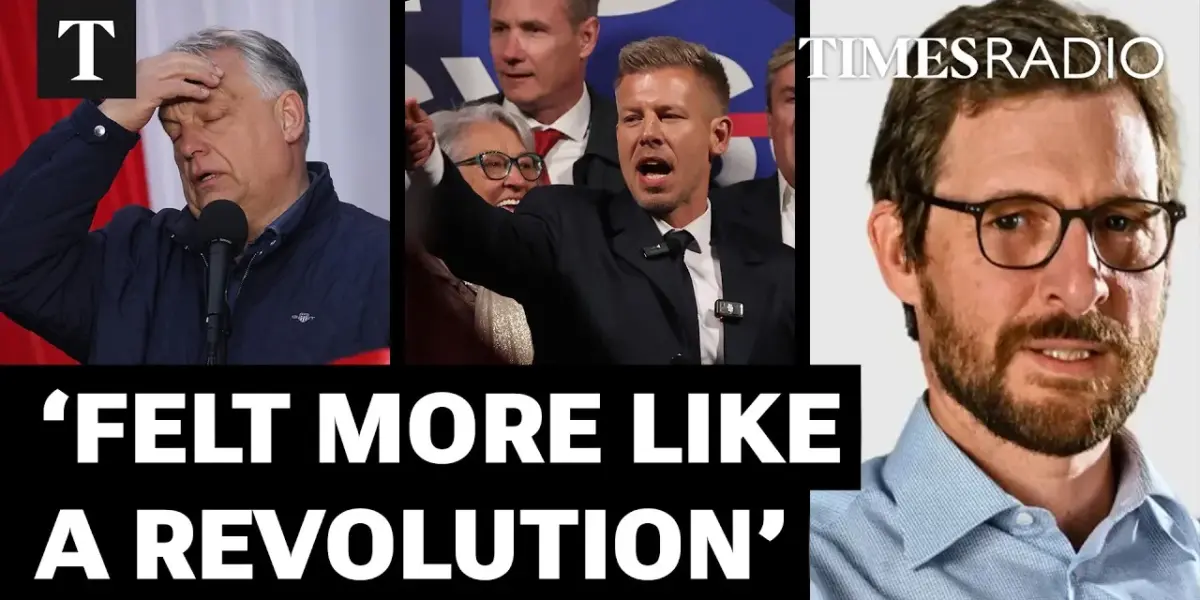
Hungary Votes Overwhelmingly for Change, Ousting Orban
In a stunning political shift, Hungarians have voted to end the 16-year rule of nationalist leader Victor Orban. Peter Majar, leading an anti-corruption and pro-European Union party, secured a decisive victory in the recent election. The results suggest Majar has won a supermajority in parliament, granting him the power to enact significant changes and potentially overturn Orban’s established reforms.
A Night of Celebration in Budapest
The mood in Budapest following the election results was electric. Correspondent Tom Kingston described scenes of widespread celebration, with people filling the streets late into the night. “It was just a huge party,” Kingston reported, painting a picture of dancing, honking cars, and jubilant crowds. He noted that the atmosphere felt more like a revolution than a typical election, highlighting the profound public desire for change.
Unexpected Scale of Victory
While some anticipated a shift in power, the scale of Peter Majar’s victory surprised many. Even a local journalist, speaking just a day before the vote, predicted a landslide, a prediction that proved accurate. Majar’s party not only won but achieved a supermajority, securing more than two-thirds of the parliamentary seats. This level of support gives Majar special powers to amend the constitution and pass laws. It also allows him to remove Orban appointees from key positions in institutions like the central bank, courts, and the public prosecutor’s office. These individuals could have otherwise acted as an institutional block to Majar’s agenda.
Who is Peter Majar?
Peter Majar presents a stark contrast to the outgoing leader. He has pledged to reforge ties with the European Union and distance Hungary from Vladimir Putin’s Russia. A key promise is to tackle corruption and begin improving Hungary’s deteriorating infrastructure, focusing on hospitals, schools, and roads. This represents a complete reversal of Victor Orban’s long-standing policies.
A Former Ally Turned Challenger
Interestingly, Majar is not new to the political arena or Victor Orban’s party. He was a member of Orban’s Fides party for many years, holding significant positions within its structure. He worked in state companies, led organizations, and even served as a diplomat to the EU for Orban’s government. However, two years ago, Majar dramatically split from Fides, publicly denouncing it as a corrupt organization and vowing to go it alone.
Hungarians appear to have embraced Majar’s insider perspective. His history within the Orban system is seen by many voters as a qualification, suggesting he is well-equipped to dismantle and reform the existing structures. This sentiment suggests a belief that he understands the inner workings of the regime he now aims to transform.
Implications for Ukraine
The election outcome is also seen as positive news for Ukraine. During the campaign, Victor Orban had frequently criticized Ukrainian President Zelenskyy, accusing him of conspiring with the EU to draw Hungary into the war. Orban’s rhetoric led some of his supporters to believe that a Majar victory would result in Hungarian soldiers being sent to the front lines. Majar, however, has clearly stated that this will not happen. He has pledged to continue supporting Ukraine and align Hungary with the EU’s position on the conflict, offering a significant policy change from Orban’s stance.
Broader Political Context
The election result also carries implications beyond Hungary’s borders. The strong support for Majar’s pro-EU platform signals a potential shift in Hungary’s relationship with the European Union. Orban’s government had often been at odds with Brussels, creating friction within the bloc. Majar’s victory suggests a desire for closer cooperation and integration.
The election outcome also serves as a notable event in international politics. For instance, US Senator JD Vance, who had publicly supported Orban, may find his political capital in Hungary diminished by this result. This highlights the complexities and potential pitfalls of foreign political endorsements in national elections.
Looking Ahead
With a supermajority in parliament, Peter Majar is poised to enact sweeping changes in Hungary. Attention will now turn to how quickly and effectively he can implement his promises to tackle corruption, rebuild infrastructure, and reorient Hungary’s foreign policy. The coming months will be crucial in determining the true impact of this historic election on Hungary and its place within Europe.
Source: What The ‘Revolutionary’ Hungarian Election Result Means For Europe | Tom Kington (YouTube)

Related Articles
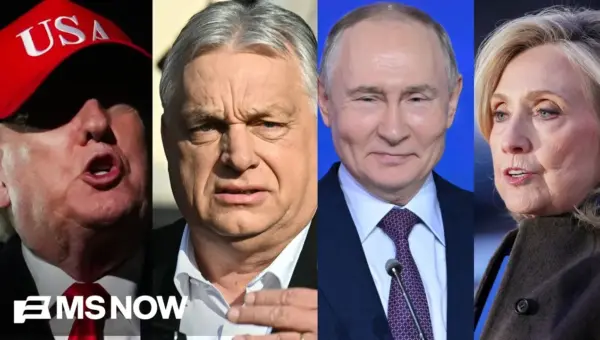
Clinton: Hungary Vote a ‘Wake-Up Call’ for U.S. Democracy
Former Secretary of State Hillary Clinton views Hungary's election results as a major win for democracy and a defeat for authoritarianism. She warns that the "unholy alliance" between figures like Putin and Trump, and their support for Viktor Orban, offers a "wake-up call" for Americans. Clinton advises Democrats to focus on affordability and accountability to counter corruption and protect democratic institutions.

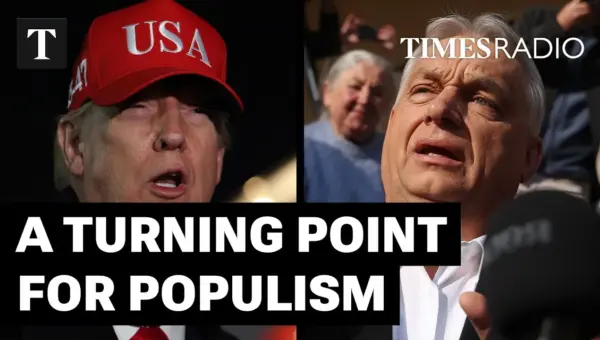
Orban’s Election Defeat Signals Growing Voter Skepticism of Populism
Viktor Orban's 16-year rule in Hungary has ended, signaling a potential shift away from populism as voters grow more skeptical of leaders who fail to deliver on promises. The election outcome has drawn international attention, with implications for European politics and the conflict in Ukraine.
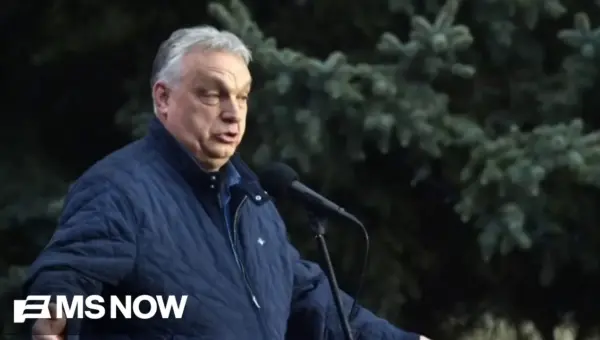
Hungary Votes Out Orban: A Blow to Putin and Populism
Hungary has ousted its long-serving Prime Minister Viktor Orban in a landmark election, marking a significant blow to Vladimir Putin and global right-wing populism. A record voter turnout saw the opposition secure an overwhelming majority, paving the way to undo Orban's constitutional changes.