Hungary Election: Ukraine Becomes Orban’s Key Campaign Tool
Hungarian Prime Minister Viktor Orban is using images of Ukrainian President Zelensky in his election campaign. This strategy aims to link the opposition to the ongoing conflict and rally his base amidst falling living standards and frozen EU funds.

Hungary Election: Ukraine Becomes Orban’s Key Campaign Tool
Hungarian Prime Minister Viktor Orban, in power for 16 years, faces an unusually tight election. For the first time, his leadership of the Fidesz party is seriously challenged. High inflation, declining living standards, and frozen European Union funds have boosted the popularity of his main rival, Peter Magyar, leader of the Tisza party. Several corruption scandals have also hurt Orban’s standing.
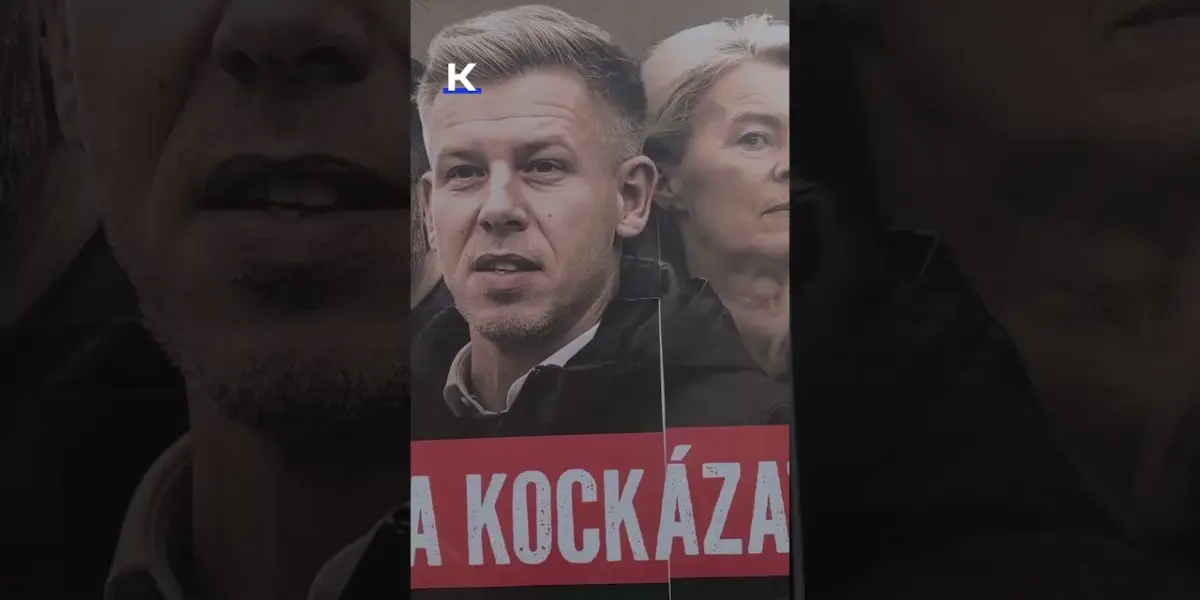
While Magyar has led in opinion polls, the race has tightened as the election approaches. Orban appears to be betting heavily on the conflict in Ukraine to sway voters. Though Ukrainian President Volodymyr Zelensky is not on the Hungarian ballot, his image is prominent in the campaign. Billboards across Budapest feature Zelensky alongside opposition leader Magyar and European Commission President Ursula von der Leyen. One billboard warns voters, “They are the risk.” Another states, “Don’t let Zelensky get the last laugh.” This strategy aims to link the opposition to perceived external threats and international pressure.
Strategic Context: Orban’s Ukraine Strategy
Prime Minister Orban has consistently opposed certain EU sanctions against Russia and has called for an end to the war in Ukraine. His government has also blocked some EU aid to Kyiv. By invoking Zelensky and the war, Orban seems to be attempting to rally his base by portraying the opposition as aligned with Western policies he criticizes. This tactic suggests a focus on national sovereignty and a rejection of what his campaign might frame as foreign interference in Hungarian affairs. The presence of Zelensky’s image on campaign materials is a clear attempt to make the Ukraine conflict a central issue, even though it is not directly part of the Hungarian electoral process.
What This Means on the Ground
The use of President Zelensky in campaign messaging highlights a significant shift in Orban’s electoral strategy. Instead of focusing solely on domestic issues, the Prime Minister is attempting to leverage international events to his advantage. This approach could galvanize his supporters who may be wary of deeper EU involvement or who favor a more neutral stance on the Russia-Ukraine war. For the opposition, it presents a challenge: how to counter a narrative that links them to a foreign conflict and potentially unpopular international policies. The election outcome could therefore have implications not only for Hungary’s domestic politics but also for its relationship with the EU and its stance on the ongoing war in Eastern Europe.
Historical Parallels
Political campaigns have often used external threats or foreign leaders to rally domestic support. During the Cold War, for instance, political parties in many Western democracies frequently invoked the specter of Soviet communism to mobilize voters. Similarly, in times of perceived national crisis, leaders might point to external adversaries to unify the electorate behind their leadership. Orban’s strategy of using the image of a foreign leader, particularly one from a nation involved in a major conflict, fits this historical pattern of political maneuvering. It aims to create a clear ‘us versus them’ narrative, where ‘us’ is the current government and its supporters, and ‘them’ includes the opposition and perceived foreign influences.
Geopolitical Impact
The upcoming Hungarian election carries significant geopolitical weight. Hungary’s position within the European Union has often been strained due to Orban’s policies, particularly his approach to Russia and the war in Ukraine. If Orban wins, it could further embolden his government’s independent stance within the EU, potentially complicating unified responses to international crises. Conversely, if the opposition gains power, it might signal a shift towards closer alignment with EU policies and a stronger pro-Ukraine stance. The outcome will be closely watched by other EU member states and NATO allies concerned about regional stability and the cohesion of Western alliances.
Source: Hungary heads into defining election – and Ukraine plays a role (YouTube)

Related Articles
Ukraine Strikes Cripple Russian Oil Exports
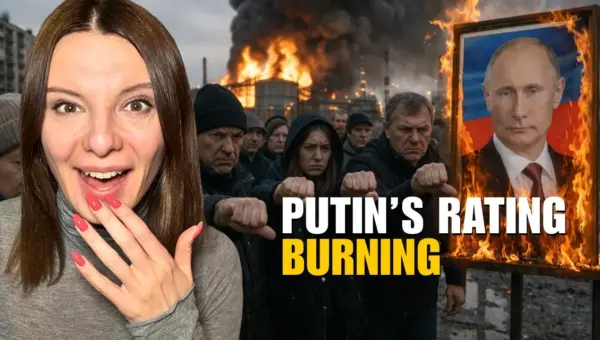
Ukrainian drone strikes are crippling Russia's oil exports and damaging its economy, leading to falling domestic support for President Putin. The targeted attacks on refineries and terminals aim to cut off war funding and have significant geopolitical consequences.
Hungary Divided: Orban Faces Strong Opposition in Key Election
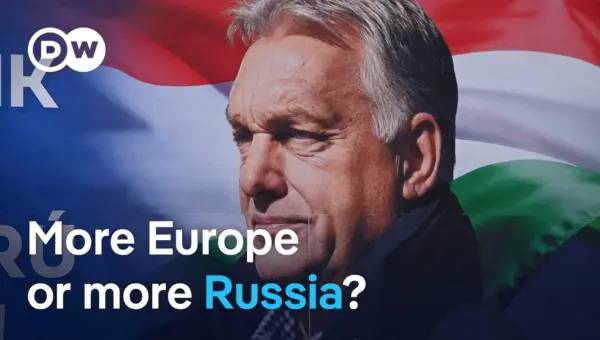
Hungary is facing a pivotal election pitting incumbent Prime Minister Viktor Orban against opposition leader Peter Magyar. The vote will determine if the nation continues its Russia-aligned path or returns to democratic European values amidst deep societal divisions and economic concerns.
Russia’s TV Dreams of Dividing Europe
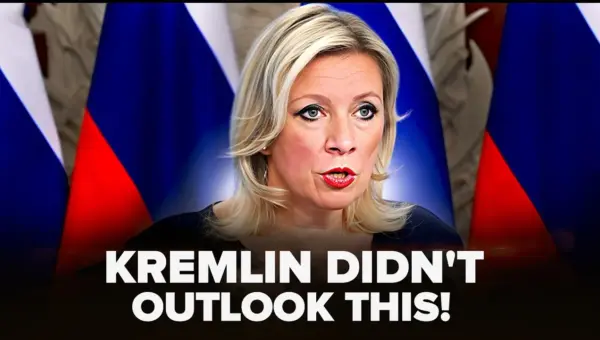
Russian state television broadcasts increasingly aggressive rhetoric, discussing the division of Europe and dismissing Ukraine's statehood. This contrasts with battlefield realities and official diplomatic stances, highlighting a dual strategy of projecting strength and seeking geopolitical advantage. Analysts warn that these televised fantasies ignore the ongoing war and Ukraine's fight for sovereignty.