Hungary Election Hinges on Ukraine Narrative
Hungary's upcoming election is heavily influenced by Prime Minister Viktor Orban's strategy of portraying Ukraine as a threat. While opposition leader Peter Magyar focuses on domestic issues and EU ties, Orban uses anti-Ukrainian rhetoric to rally support. Concerns about Russian interference add another layer of complexity to the vote.

Hungary Election Hinges on Ukraine Narrative
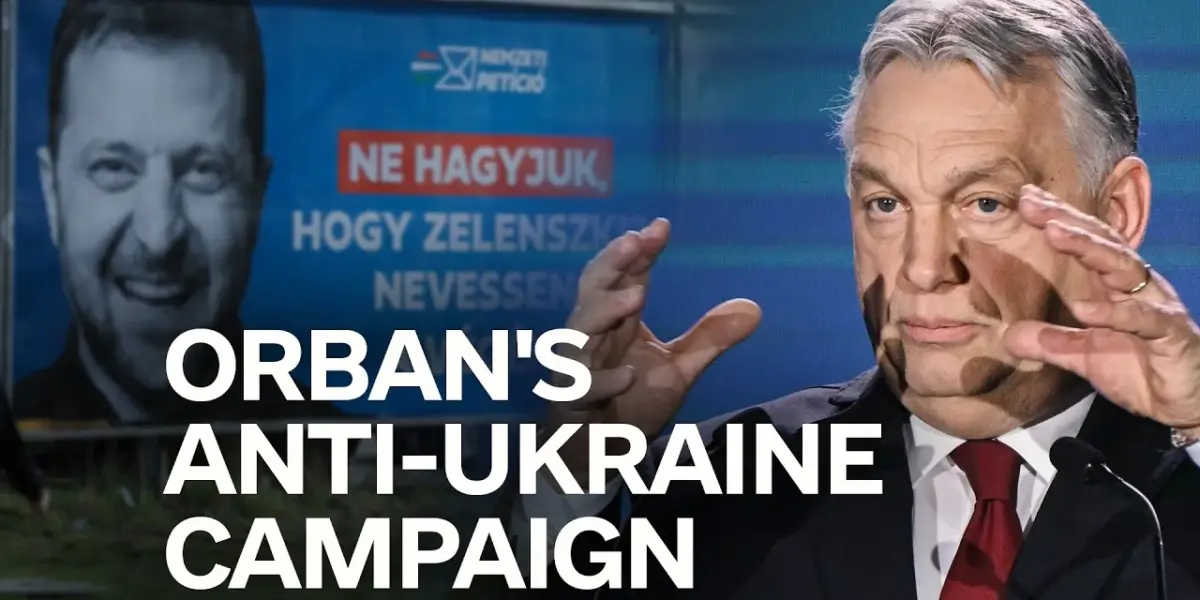
Hungary is nearing a pivotal parliamentary election with significant implications for the European Union, Ukraine, and Russia. Prime Minister Viktor Orban, after 16 years in power, faces his toughest challenge yet from opposition leader Peter Magyar. Orban’s campaign strategy heavily features Ukraine, portraying it and its president, Volodymyr Zelenskyy, as a threat to Hungary’s interests. Billboards across Budapest depict Zelenskyy alongside opposition figures, with slogans like “Don’t let Zelenskyy get the last laugh,” aiming to link the opposition to perceived dangers from the ongoing conflict.
Orban’s “External Enemy” Strategy
The ruling Fidesz party, led by Orban, has a history of centering its campaigns on an “external enemy.” With current polls showing the party under pressure, they are reverting to this tested strategy. This time, the focus is on fear-mongering about Hungary’s potential involvement in the war and an anti-Ukrainian campaign. This approach is seen as a continuation of a foreign policy and state propaganda trend that has been present for several years. However, the government has recently escalated this by framing Ukraine as a direct threat to Hungarian sovereignty and energy security.
Rising Tensions with Ukraine
Recent months have seen a sharp increase in tensions between Hungary and Ukraine. Orban accused Kyiv of deception and blackmail regarding the suspension of Russian oil transit through the Druzhba pipeline. In response, Zelenskyy made a comment that many interpreted as a personal threat to Orban, further inflaming the situation. Following this, Hungarian authorities seized Ukrainian bank vehicles, detaining and expelling seven employees on suspicion of money laundering. Kyiv condemned this action as “state terrorism.” Analysts note that while Ukraine’s frustration is understandable given Hungary’s consistent blocking of EU sanctions and aid, Zelenskyy’s remarks were unhelpful and played directly into Orban’s campaign narrative.
Contrasting Rallies in Budapest
Two distinct rallies in Budapest highlighted the election’s divide. A pro-government rally, attended by many Hungarian flags, featured posters stating “We won’t give our life for Zelenskyy.” Speakers at this event frequently mentioned Ukraine, met with boos from the crowd. Many attendees expressed support for Orban, citing concerns about energy costs and the need to maintain ties with Russia due to energy dependence. Some felt that relations with Ukraine were difficult to manage because of this dependence.
In contrast, an opposition rally for Peter Magyar’s Tisza party displayed EU flags, and the crowd appeared younger on average. Supporters emphasized Hungary’s need to belong to Europe and fix its relationship with the EU. They viewed Orban’s narrative about Magyar being pro-Ukrainian as manipulation aimed at keeping Fidesz in power to continue alleged corruption. Many opposition supporters stated that while good relations with neighbors are important, their primary concern is improving the lives of ordinary Hungarians. Some expressed indifference to the specifics of the Ukraine relationship, focusing instead on domestic issues and wanting to live in peace with all neighbors.
Magyar’s Rise and Corruption Allegations
Peter Magyar, a former Fidesz lawyer and ex-husband of a former justice minister, gained prominence in early 2024 after leaving the party. He has since spoken out about what he describes as corrupt and authoritarian practices within Fidesz. Magyar has positioned himself as an alternative to traditional left-right politics, leading a significant surge in support for the previously marginal Tisza party.
Concerns Over Russian Interference
Adding to the election’s uncertainty are reports of Russian intelligence operating in Budapest, with fears that Moscow may be attempting to influence the vote in Orban’s favor. Evidence suggests Russian military intelligence experts arrived in Hungary under diplomatic cover, potentially to establish a foreign interference campaign similar to those seen in Moldova and Romania. However, experts note that in Hungary, such interference would be aimed at supporting the incumbent government, potentially allowing for a broader scope of operations than in previous cases. Both major parties have accused each other and their partners of foreign interference and election manipulation, a narrative expected to intensify in the coming weeks.
Strategic Implications
If Orban wins another term, analysts predict he will likely become more radical and emboldened. He may continue to use Ukraine’s need for financial aid and energy transit as leverage. A victory secured through potentially rigged elections could further isolate Hungary within the EU and increase its reliance on authoritarian partners like Russia and China.
Source: Why Ukraine is at the center of Hungary’s election (YouTube)

Related Articles
Ukraine Strikes Cripple Russian Oil Exports
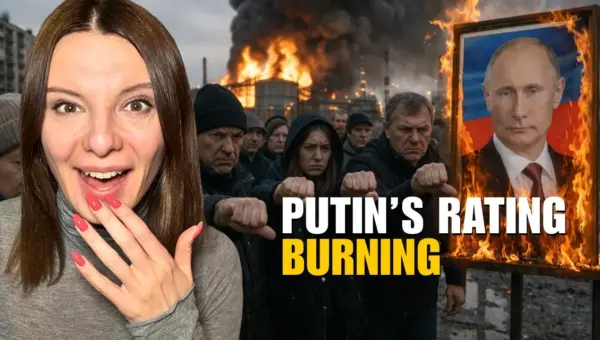
Ukrainian drone strikes are crippling Russia's oil exports and damaging its economy, leading to falling domestic support for President Putin. The targeted attacks on refineries and terminals aim to cut off war funding and have significant geopolitical consequences.
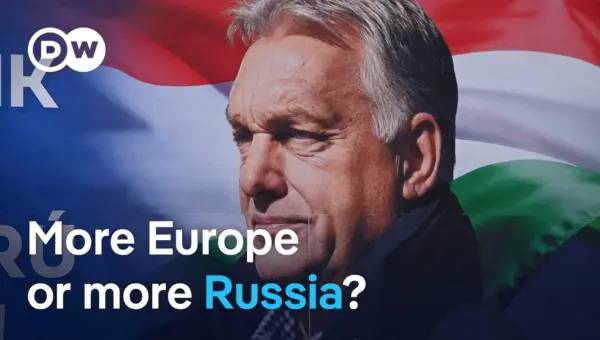
Hungary Divided: Orban Faces Strong Opposition in Key Election
Hungary is facing a pivotal election pitting incumbent Prime Minister Viktor Orban against opposition leader Peter Magyar. The vote will determine if the nation continues its Russia-aligned path or returns to democratic European values amidst deep societal divisions and economic concerns.
Russia’s TV Dreams of Dividing Europe
Russian state television broadcasts increasingly aggressive rhetoric, discussing the division of Europe and dismissing Ukraine's statehood. This contrasts with battlefield realities and official diplomatic stances, highlighting a dual strategy of projecting strength and seeking geopolitical advantage. Analysts warn that these televised fantasies ignore the ongoing war and Ukraine's fight for sovereignty.