Hungary Divided: Orban Faces Strong Opposition in Key Election
Hungary is facing a pivotal election pitting incumbent Prime Minister Viktor Orban against opposition leader Peter Magyar. The vote will determine if the nation continues its Russia-aligned path or returns to democratic European values amidst deep societal divisions and economic concerns.

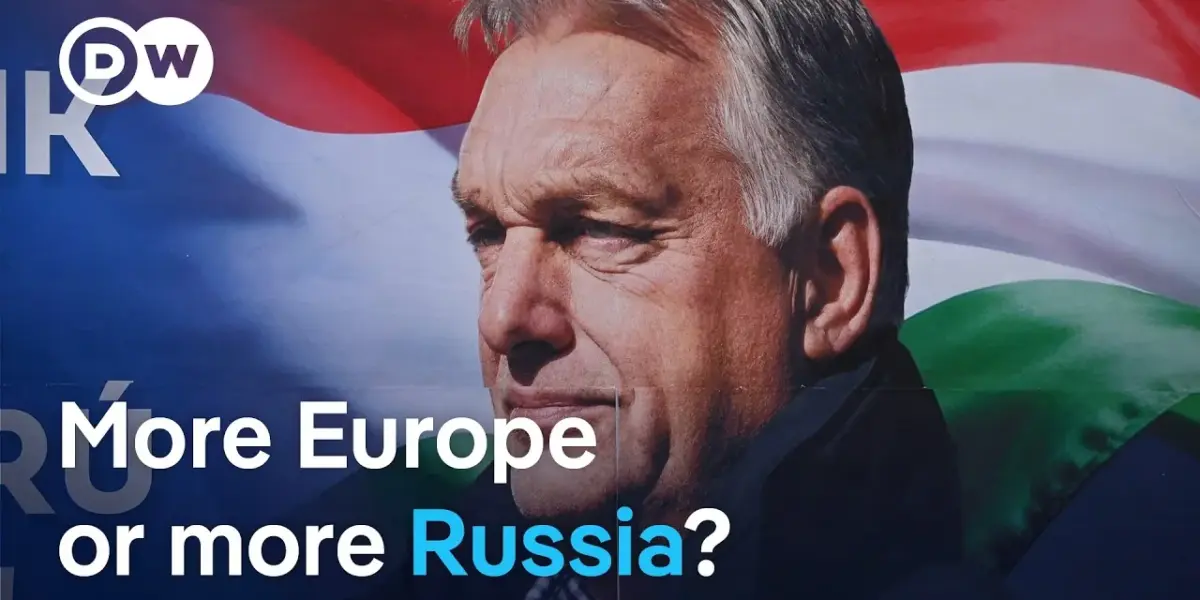
Hungary at a Crossroads: Orban’s Grip Challenged
Hungary stands on the brink of a significant political shift as voters prepare to decide the nation’s future direction. Incumbent Prime Minister Viktor Orban, who has led the country for over 16 years, faces his strongest challenge yet from opposition leader Peter Magyar and his Tisza party. The election, set for April 12th, presents a stark choice between Orban’s increasingly authoritarian, Russia-aligned path and a vision for Hungary to rejoin a more democratic, European Union-focused future.
Campaigning on Two Fronts: War vs. Peace, Russia vs. EU
The campaign has been marked by two sharply contrasting rallies, highlighting the deep divisions within Hungary. Prime Minister Orban has framed the election as a choice between “war and peace,” accusing Brussels and Kyiv of seeking to drag Hungary into conflict. His government has plastered billboards depicting EU officials and Ukrainian President Zelensky as “warmongers,” a tactic that resonates with his base, particularly older voters who prioritize security.
“They are blocking what rightfully belongs to us, our money from Brussels and our oil from Ukraine,” Orban stated, criticizing the EU’s stance. His supporters echo this sentiment, fearing that the opposition would lead Hungary into war.
Meanwhile, Peter Magyar, the charismatic leader of the Tisza party, has rallied supporters with a message of hope and a return to Western democratic values. “Our homeland is part of the West, part of the European community. Our homeland is part of NATO,” Magyar declared at his own large rally. His campaign focuses on issues like ending corruption, unlocking frozen EU funds, and rebuilding trust with European partners.
The Magyar Phenomenon: A New Hope for Change
Peter Magyar has emerged as a significant force in Hungarian politics, transforming the previously minor Tisza party into the country’s leading opposition. Political scientist Nora Schulz notes the “enormous progress” Magyar has made in just a couple of years. “For the first time in 16 years, this opposition is united under one single party and one charismatic leader,” Schulz explained. This unity, she believes, makes a defeat for Orban’s Fidesz party possible.
Tisza activists are employing direct, personal engagement strategies, knocking on doors and speaking with undecided voters. “This is how we do it. I ask, ‘Are you from the second district?’ And many people stop to talk,” shared one young activist. They aim to connect with the hundreds of thousands of Hungarians who remain undecided, hoping to persuade them to vote Orban out.
However, convincing voters remains a challenge, reflecting the deep societal rifts after more than a decade of Orban’s rule. Some encounters turn emotional, with activists facing hostility. Even those who don’t vote for Tisza acknowledge Magyar’s impact. “He didn’t convince me at all, but it was very interesting to hear what his generation stands for,” remarked one woman after speaking with a Tisza campaigner.
Orban’s Hungary: Economic Struggles and Democratic Concerns
Orban’s Fidesz party has dominated Hungary’s political landscape for over 16 years, shifting from a center-right party to a radical right-wing populist force. During this time, Orban has deepened ties with authoritarian regimes, particularly Russia. Despite promises of economic prosperity, Hungary’s economy is struggling. Orban forecast 3-6% growth for 2025, but recent figures show less than half a percent. Salaries remain about half the EU average, and living standards are among the lowest in the bloc.
The EU has long criticized Hungary for democratic backsliding and undermining judicial independence. A significant issue is the freezing of approximately 18 billion euros in EU funds, which will remain blocked until Hungary enacts reforms to combat corruption and strengthen the rule of law. Transparency International ranks Hungary as one of the most corrupt nations in the EU.
Education and Propaganda: The Next Generation’s Concerns
Frustration is particularly high among younger Hungarians, who have only known Orban as prime minister. Polls suggest they are the most skeptical of his leadership. Teachers like Fuja Gintley are vocal about the need for change, especially in the education system. Gintley, who earns about €1,000 a month, struggles with a curriculum she feels is politically motivated and outdated.
“We teach texts that do not consider the developmental needs of children,” Gintley explained, holding up a literature textbook. “If school focuses only on wrote facts, not critical thinking, people are more easily deceived by propaganda.” She argues that the current curriculum, reflecting Orban’s nationalist priorities, leaves little room for alternative views and makes it easier to mislead the public. Much of Hungary’s media landscape is now controlled by the state or Fidesz, reinforcing Orban’s narrative that Brussels, not Russia, threatens the nation’s sovereignty.
Rural Strongholds and Lingering Doubts
In rural areas like Pitzville, Orban’s government has historically enjoyed strong support. Minister for Construction and Transport János Lázár campaigns in these regions, addressing local concerns like street repair. The message of security and staying out of conflict resonates deeply. “For the people here, including me, security is the most important thing to prevent a war so my grandchildren don’t have to go to war,” shared one resident.
However, even in these strongholds, dissent exists. Some voters express caution, fearing repercussions for their political views. The caution is palpable, with many preferring not to declare their voting intentions. The government’s narrative about security and sovereignty appears to hold sway, but the economic realities and growing concerns about corruption and democratic freedoms create fertile ground for the opposition.
The Road Ahead: A Pivotal Election
As election day approaches, Hungary finds itself at a critical juncture. Polls suggest Tisza currently leads, but Fidesz remains a formidable force, especially in rural areas and among its dedicated base. The election will determine whether Hungary continues on its current path, increasingly aligned with Russia and at odds with the EU, or pivots back towards a more democratic and European future under Peter Magyar’s leadership. The outcome will have significant implications not only for Hungary but for the broader European political landscape.
Source: Hungary's Historic Election: Russia or the EU? | DW News (YouTube)

Related Articles
Hungary Faces Crossroads: EU Ties or Russian Alignment?
Hungary is facing a crucial election that will decide its future alignment with the EU or Russia. Growing public discontent over corruption and economic issues has propelled opposition leader Péter Magyar to prominence, promising democratic reforms. The nation's choice will significantly impact its role in Europe and its internal governance.

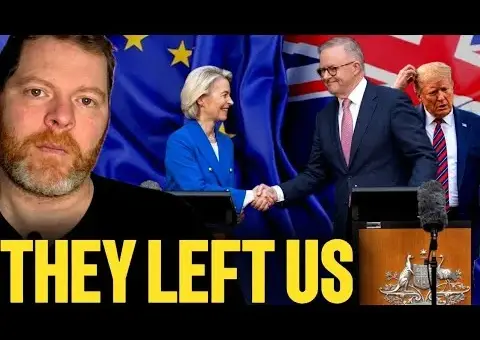
Global Alliances Shift as EU Courts Australia
Australia and the EU have signed a new trade and defense pact, excluding the United States. This move comes as Australia faces severe fuel shortages due to global tensions, highlighting a growing distrust of American leadership. The deal boosts EU access to critical minerals and Australian beef, while the U.S. grapples with economic decline and international isolation.
US Mulls Mideast Troop Surge Amid Ukraine Aid Debate
The U.S. is considering sending thousands of troops to the Middle East amid ongoing debates about funding for Ukraine. European allies express hesitation to join Iran operations, while Finland proposes a trade involving Hormuz security for increased Ukraine aid. China is reportedly preparing for potential conflict with the U.S.