Hungary at Crossroads: Elections to Define East-West Ties
Hungary stands at a critical crossroads as parliamentary elections approach, with voters deciding between closer ties to Europe or a pivot eastward. The outcome of this election, seen as the most consequential in modern history, will significantly impact the nation's geopolitical alignment and its relationship with key international partners, particularly Ukraine.


Hungary Grapples with Identity as Elections Loom
Budapest, Hungary – On March 15th, Hungary found itself at a critical juncture, marked by the national holiday and the palpable tension of an impending parliamentary election. With the vote just four weeks away, the country is experiencing a period of intense political mobilization, with supporters of both Prime Minister Viktor Orbán and opposition leader Péter Magyar holding large-scale rallies. These gatherings underscore the high stakes of an election widely considered the most consequential in Hungary’s modern history, with potential ramifications extending far beyond its borders.
Orbán’s Tenure and Shifting Alliances
Prime Minister Orbán’s Fidesz party has been in power for 16 years, a period characterized by what many observers describe as democratic backsliding and a significant deterioration of relations with Brussels and Kyiv. Orbán has consistently adopted a stance that challenges European Union consensus, notably by repeatedly blocking sanctions against Russia and hindering assistance to Ukraine. Most recently, Hungary’s opposition to a proposed €90 billion EU loan package for Ukraine highlighted these deep divisions.
Opposition Rises: Péter Magyar’s Challenge
The emergence of Péter Magyar as a leading opposition figure presents the most serious challenge to Fidesz’s long-standing dominance. Magyar’s rallies, held concurrently with those of Orbán’s supporters, signal a fervent desire for change among a significant portion of the electorate. The political discourse, as reflected in the speeches and sentiments of those on the streets, centers on a fundamental question: Will Hungary align itself more closely with Europe, or will it pivot towards a more isolated, eastward-leaning future?
Voter Sentiments: A Divided Nation
Interviews with supporters from both political camps reveal a nation deeply divided on its future trajectory and its role within the international community. For many, the election is not merely a domestic political contest but a referendum on Hungary’s fundamental orientation. One sentiment expressed was the critical need to “repair those relationships” with neighboring countries, explicitly mentioning Ukraine. This indicates a desire among some voters to mend strained diplomatic ties and re-engage constructively with the European Union and its allies.
“We are really in a crossroads for Hungary. Whether we actually will belong to Europe or we will go back in time where we would belong to the not so friendly east. It’s important to repair those relationships what you were talking about with our neighbors and Ukraine is our neighbor.”
Strategic Implications and Geopolitical Context
The outcome of Hungary’s election carries significant geopolitical weight. Orbán’s government has often acted as a brake on EU foreign policy initiatives concerning Russia and Ukraine, creating friction within the bloc. A continuation of this policy could further complicate Western efforts to support Ukraine and maintain a united front against Russian aggression. Conversely, a shift in government could lead to a recalibration of Hungary’s foreign policy, potentially fostering closer alignment with EU and NATO objectives.
Hungary’s strategic position in Central Europe, straddling historical fault lines between East and West, makes its political choices particularly impactful. Its decisions influence regional stability, energy policy, and the broader security architecture of the continent. The election campaign, therefore, is being closely watched by international partners who seek clarity on Hungary’s future allegiances and its commitment to shared democratic values and security interests.
Historical Parallels
Hungary’s current crossroads echo historical moments where the nation has navigated its identity between competing geopolitical spheres. Throughout its history, Hungary has often found itself balancing influences from both Western Europe and the East. The current political climate can be seen as a contemporary manifestation of this enduring challenge, with the EU representing one pole and a perceived ‘East’—often associated with Russia—representing another. The decisions made by Hungarian voters will determine which path the nation ultimately treads in the 21st century.
Broader European Impact
The implications extend beyond regional dynamics. The EU’s ability to act cohesively on critical foreign policy issues, such as support for Ukraine and sanctions against Russia, is directly affected by the stance of its member states. A more collaborative Hungarian government could strengthen the EU’s collective resolve and its capacity to respond to external threats. Conversely, continued divergence could embolden other dissenting voices within the bloc and weaken its overall geopolitical standing.
As the election campaign progresses, the focus remains on the fundamental choice facing Hungarian voters: integration with and adherence to European norms and alliances, or a more independent, potentially isolationist path that prioritizes national sovereignty above all else. The world watches to see which future Hungary will embrace.
Source: On Hungary's National Day, two futures took the streets (YouTube)

Related Articles
Pentagon Weighs 10,000 Troops for Iran Showdown
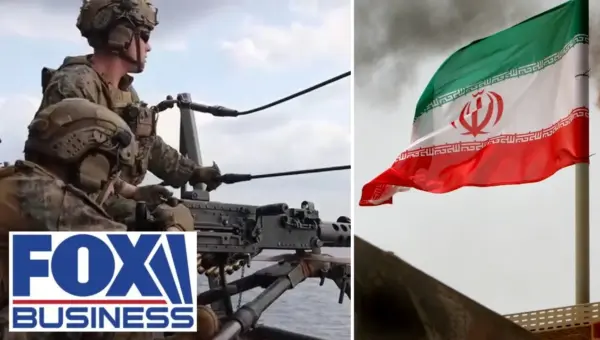
The Pentagon is reportedly weighing a significant troop increase of 10,000 soldiers to the Middle East, potentially escalating tensions with Iran. This move comes amid reports of U.S. precision strikes and interceptions of Iranian missiles by allies, raising concerns about regional stability and global oil supplies.
Iran Conflict Sparks Market Volatility, Experts Weigh In
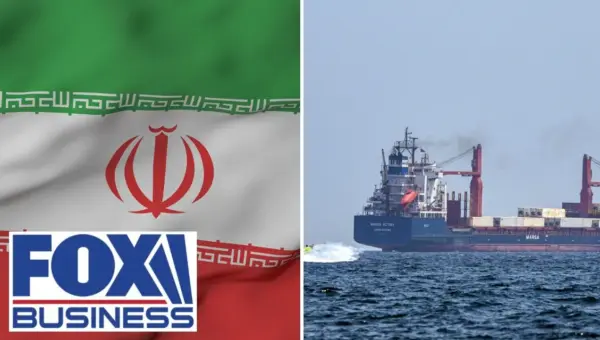
Geopolitical tensions in the Middle East have rattled global markets, with stocks falling and safe-haven assets like the U.S. dollar strengthening. Experts suggest the market may have overreacted, creating potential buying opportunities, but warn of a "bumpy journey" ahead due to infrastructure damage and potential oil shortages. Concerns also linger about the Federal Reserve's independence amidst political commentary.
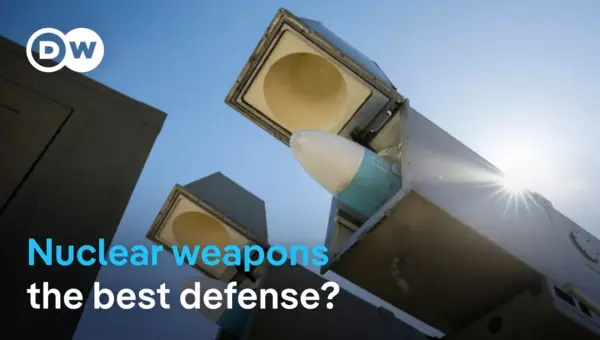
Iran War Sparks Nuclear Fears: Is a Global Arms Race Brewing?
The conflict in Iran has heightened global fears of nuclear proliferation and a potential arms race. Experts warn that Iran may pursue nuclear weapons if its current deterrence fails, while historical examples show the dangers of unchecked nuclear ambitions. The world faces uncertain scenarios, ranging from renewed diplomatic efforts to a dangerous escalation of nuclear threats.