Humanitarian Chief Slams $1 Billion Daily War Spending
UN humanitarian chief Martin Griffiths has decried the "staggering" global spending on war, estimating $1 billion daily is spent on destruction while aid budgets are cut. He warns of escalating, interconnected humanitarian crises and a "grave peril" for the world.

Global Aid Faces Cuts Amidst Escalating War Expenditures
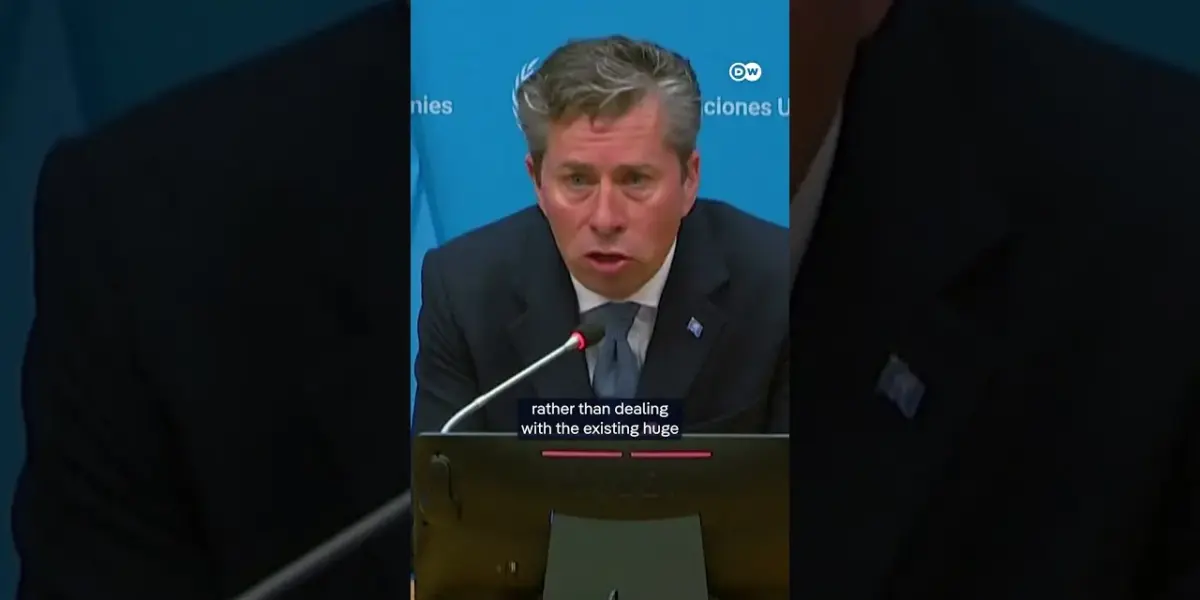
The world’s leading humanitarian official has issued a stark warning about the escalating global spending on warfare, contrasting it sharply with the dwindling aid budgets for those in desperate need. Martin Griffiths, the UN Under-Secretary-General for Humanitarian Affairs and Emergency Relief Coordinator, decried the “staggering amounts of money” reportedly being poured into conflicts, estimating a staggering “a billion dollars a day” is being spent on destruction. This expenditure, he argued, comes at a critical time when humanitarian crises are rapidly escalating and becoming increasingly interconnected, demanding greater resources, not less.
A World Out of Balance: Priorities in Question
Griffiths expressed profound disappointment and heartbreak over the misallocation of resources, stating, “it breaks my heart that this is being spent on this conflict rather than dealing with the existing huge humanitarian case load.” He lamented a perceived loss of global bearings, where human ingenuity and creativity, capable of immense good, are instead being channeled into “developing more and more sophisticated ways of killing each other.” This redirection of talent and capital towards conflict, he implied, represents a fundamental moral and practical failing of the international community.
“We’ve lost our bearings somehow in the world. uh and that this ingenuity and creativity that humans have uh is being spent on developing more and more sophisticated ways of killing each other.”
– Martin Griffiths, UN Under-Secretary-General for Humanitarian Affairs
Escalating Crises and Interconnected Perils
The UN official painted a grim picture of the current global landscape, describing it as a “moment of grave peril.” He highlighted the rapid escalation of various humanitarian crises, noting that their consequences are spiraling “out of control for those instigating the conflict.” Furthermore, Griffiths pointed to a worrying trend of increasing linkages between these crises, suggesting that the world is facing a complex web of interconnected challenges where the resolution of one problem is hampered by the worsening of others. He concluded this observation with a somber assessment: “None of them good.”
The Stark Contrast: War Chests vs. Aid Budgets
The core of Griffiths’ critique lies in the stark contrast between the vast sums allocated to military endeavors and the continuous pressure on humanitarian aid budgets. While politicians reportedly boast about cutting aid, the daily financial commitment to war zones dwarfs the resources available for life-saving assistance. This disparity, according to Griffiths, not only highlights a skewed set of global priorities but also exacerbates the suffering of millions already affected by poverty, natural disasters, and ongoing conflicts. The implication is that resources exist to address humanitarian needs, but political will and priorities are misaligned.
Broader Implications and a Call for Reorientation
Griffiths’ remarks carry significant weight, coming from a senior UN official tasked with coordinating global humanitarian responses. His words serve as a wake-up call to governments and international bodies, urging a re-evaluation of spending priorities. The immense financial power directed towards conflict could, if redirected, have a transformative impact on global development, poverty reduction, and the prevention of humanitarian catastrophes. The challenge, as highlighted by Griffiths, is not a lack of resources, but a failure to align them with humanity’s most pressing needs.
Looking Ahead: A Call for Renewed Focus
As the world grapples with multiple overlapping crises, the urgent need for a shift in global priorities becomes increasingly apparent. The coming months will be critical in determining whether international leaders heed the warnings from humanitarian officials like Martin Griffiths. The focus will be on whether budgets reflect a genuine commitment to peace and human well-being, or if the cycle of conflict and neglect continues to deepen. The potential for human ingenuity to solve pressing global issues remains immense, but its application towards destructive ends demands immediate and serious reconsideration.
Source: UN humanitarian chief decries 'staggering' war spending | DW News (YouTube)

Related Articles

Middle East War Cripples Global Aid, UN Warns of Catastrophe
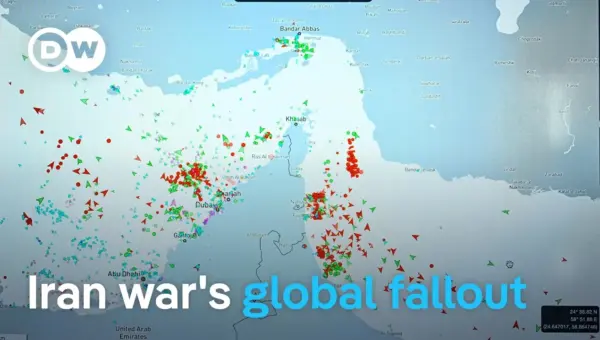
The Middle East conflict is severely disrupting global humanitarian aid, with the UN warning of catastrophic consequences for vulnerable populations. Key logistical hubs are paralyzed, leading to critical delays and increased costs for life-saving supplies, particularly impacting children facing malnutrition in regions like Sudan and the DRC.


Dad Returns Home for Son’s Birthday After Dubai War Stranding
Cody Green returned to Tampa for his son Reece's first birthday after being stranded in Dubai due to international conflict. He navigated tense airports and an anxious flight amidst retaliatory attacks, ultimately making it home for the celebrations.
Israel Hospitals Go Underground Amid Iran Tensions
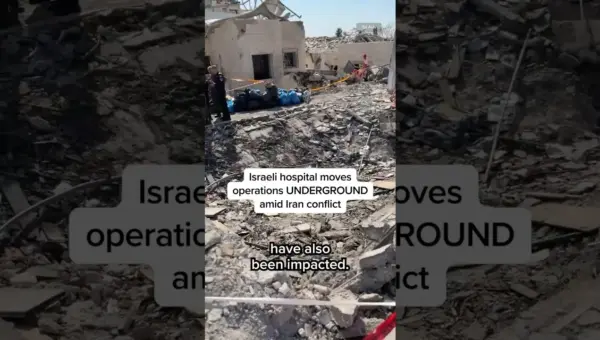
Amid escalating Iran conflict, Israeli hospitals like Sheba Medical Center are moving critical operations, including surgeries and ICUs, to secure underground facilities. This unprecedented move aims to ensure patient safety and maintain medical service continuity under potential aerial threats.