Hughes Delivers Gold: US Hockey’s “Whatever It Takes” Mentality
Jack Hughes discusses the U.S. Olympic Hockey team's gold medal victory, highlighting their "Whatever it takes" motto and the strong "USA Hockey brotherhood." He reflects on the team's resilience, the importance of "American swagger," and the humility ingrained in the sport.

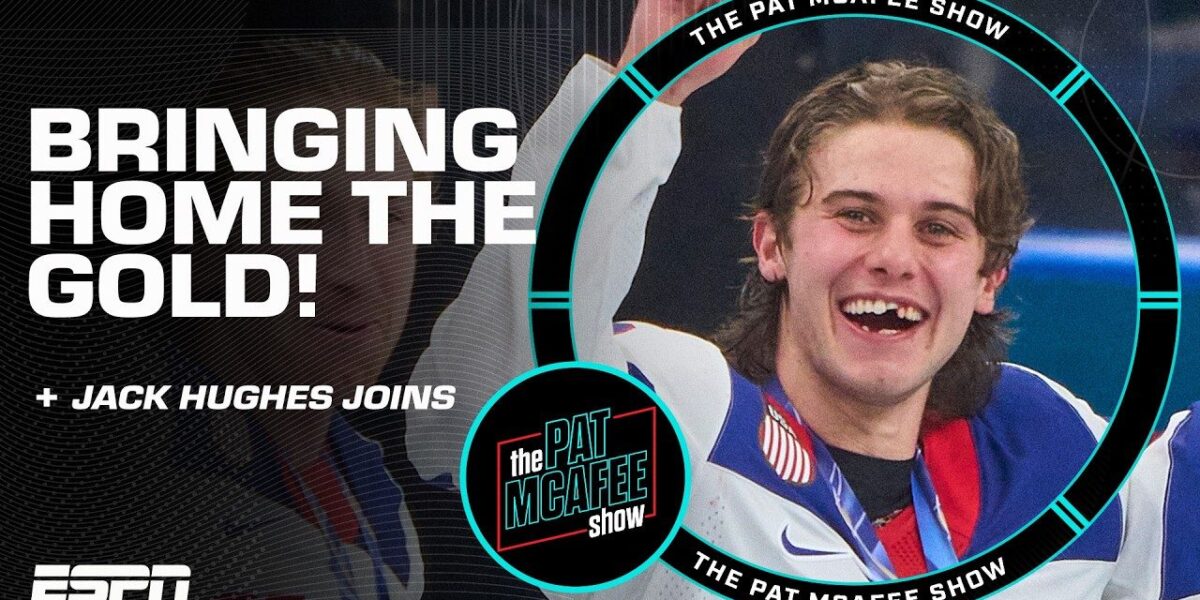
Hughes Delivers Gold: US Hockey’s “Whatever It Takes” Mentality
The roar of the crowd, the glint of gold, and a busted chicklet – that’s the indelible image of Jack Hughes and the U.S. Olympic Hockey team etching their names in history. Fresh off a monumental victory, Hughes joined The Pat McAfee Show, not just as a gold medalist, but as a living embodiment of the team’s powerful motto: “Whatever it takes.” The energy was palpable as McAfee and the crew celebrated Hughes, a player whose game-winning heroics have sent shockwaves through the hockey world.
A “Busted Chicklet” and a Gold Medal in the Back Pocket
The interview kicked off with a vivid description of Hughes’ memorable moment – a chipped tooth, a tell-tale sign of the grit and determination that defined their Olympic journey. The image of Hughes pulling his gold medal from his back pocket became an instant iconic moment, symbolizing the tangible reward for their unwavering commitment. “This kid’s got a gold medal in his back pocket for the rest of his life,” McAfee exclaimed, perfectly capturing the sentiment of national pride and accomplishment.
The USA Hockey Brotherhood: More Than Just a Team
What truly resonated throughout the conversation was the profound sense of camaraderie and history within USA Hockey. Hughes highlighted the deep roots of this team, with a staggering 21 of the 25 players coming through the National Team Development Program (NTDP) in Michigan. These weren’t just teammates; they were guys who grew up together, went to high school together, and even attended each other’s weddings, including Matthew Tkachuk’s. This shared history forged an unbreakable bond, a “USA Hockey brotherhood” that former players speak of with reverence.
“The USA hockey brotherhood is so strong,” Hughes stated, emphasizing the gratitude the current team feels towards the legends who paved the way. He envisions this legacy continuing, with future generations of American hockey stars carrying the torch, inspired by names like Mike Modano, Patrick Kane, Auston Matthews, and his own.
“American Swagger” and a “Whatever It Takes” Mindset
Head Coach Joe Sacco, known for his extensive NHL experience, instilled a winning mentality that went beyond Xs and Os. General Manager Billy Garian’s initial address set the tone: “Whatever it takes.” This mantra became the team’s guiding principle, pushing them through the challenges of the Olympic Village, less-than-ideal ice conditions, and the immense pressure of competition. Complementing this was Sacco’s repeated emphasis on “American swagger,” a belief in their inherent ability and dominance on the world stage.
“Sully just kept driving home, ‘American swagger, American swagger. We’re the best team in this tournament. We’re the best team in the world.’ Like the our belief just skyrocketed,” Hughes explained, illustrating how this psychological edge fueled their performance.
Family, Humility, and the Hockey Culture
The conversation also touched upon Hughes’ family legacy in hockey, with his mother and father playing significant roles in his development. He expressed deep gratitude for their sacrifices, acknowledging the immense difficulty of getting even one child to the NHL, let alone three. This upbringing, steeped in the values of the sport, has shaped Hughes into a remarkably humble athlete.
McAfee probed Hughes on why hockey players, particularly this U.S. team, exhibit such profound humility and a team-first attitude. Hughes attributed it to the very nature of hockey – a sport that demands resilience and toughness. “Hockey is a sport that will just beat your ass,” he said, explaining that players learn to endure pain, play through injuries, and prioritize the team above individual accolades. The image of him playing with a chipped tooth, and his nonchalant reaction to it, perfectly encapsulated this ethos.
The “Golden Chicklets” and the Future of Hockey
The “busted chicklet” became a symbol not just of Hughes’ heroism, but of the broader hockey culture. While the outside world might see it as “gnarly,” for hockey players, it’s a badge of honor, a testament to their commitment. Hughes’ willingness to play through such discomfort, and his subsequent focus on the immediate NHL schedule rather than dental plans, underscores the sport’s demanding nature.
Beyond individual moments, Hughes believes the team’s success and their genuine, humble demeanor have significantly boosted hockey’s profile in the United States. “People have fallen in love with your sport. Why do you think the sport of hockey has such a good culture?” McAfee asked, to which Hughes responded by highlighting the unwavering team-first mentality and the down-to-earth nature of the common hockey player.
A Moment of National Pride
The victory wasn’t just for the players; it was for the country. Hughes articulated the feeling that many Americans needed this win, this moment of collective joy and triumph. The overwhelming support, from fans to fellow athletes, has been a source of immense pride.
Even with the whirlwind of newfound fame, including a surge in Instagram followers, Hughes remains grounded. “Right now is the time in my life where I have to be Jack Hughes more than I’ve ever been in my life,” he stated, emphasizing his commitment to staying true to himself amidst the accolades. He’s proud to have been the one to score the game-winner but equally proud to be part of a group that brought gold back to the United States.
Hellabuck’s Heroics and Overtime Magic
The conversation also lauded the incredible performance of goaltender Connor Hellebuyck, who received the Presidential Medal of Freedom. Hughes recounted Hellebuyck’s pivotal role in the gold medal game, describing him as “the best player in the world” in that crucial moment. He detailed numerous unbelievable saves that kept the U.S. in the game, highlighting Hellebuyck’s resilience and clutch performance.
The dynamic of three-on-three overtime was also discussed, with Hughes explaining how it allows for more individual skill and exciting “iso ball” play, akin to basketball. He acknowledged that while teams don’t formally practice it, the experience gained during NHL overtime situations prepares them for such high-stakes scenarios. The U.S. team’s confidence in their ability to win in overtime, knowing that “someone in this locker room is going to be a hero,” was a testament to their collective belief.
The Locker Room Dynamic: Focused Yet Loose
Reflecting on the pivotal moments of the championship game, Hughes described the locker room atmosphere during Canada’s second-period onslaught. While acknowledging the “tilted ice” and the pressure, he emphasized the team’s resilience, particularly after killing a crucial five-on-three penalty. Coach Sacco’s message between periods, reiterating “American swagger” and their belief in being the best, was instrumental in galvanizing the team for the third period and overtime.
The U.S. locker room, Hughes asserted, was a place of intense focus but also a space where the team could have fun and draw strength from each other. The presence of stars like the Tkachuks, Hughes himself, and the collective spirit of “American Swagger” created a championship-caliber environment. As the interview concluded, the message was clear: this gold medal was the culmination of talent, hard work, and an unwavering “Whatever it takes” mentality, solidifying the U.S. men’s Olympic hockey team’s place in American sports lore.
Source: Jack Hughes discusses the US Olympic Hockey team's motto: Whatever it takes! | The Pat McAfee Show (YouTube)

Related Articles

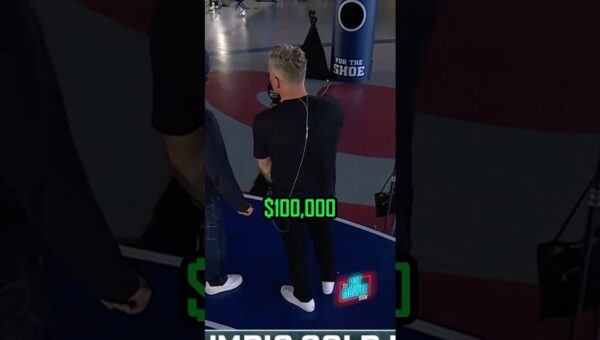
Hughes’ $100K Charity Snip Stuns on PMS Live
NHL star Jack Hughes stunned on The Pat McAfee Show, sinking a $100,000 charity shot with incredible precision. The pressure was on, but Hughes delivered a 'butter' smooth snipe for a significant donation.

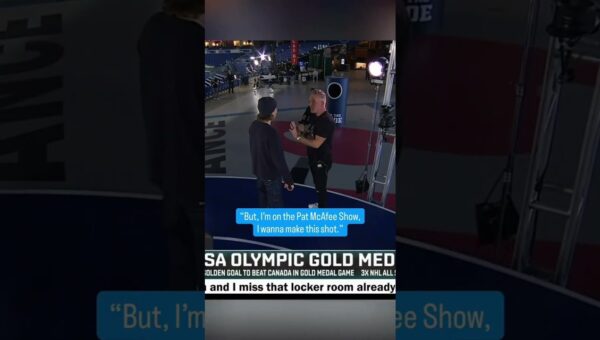
Hughes’ $100K Charity Shot Stuns Pat McAfee Show
NHL star Jack Hughes shocked the Pat McAfee Show by sinking a difficult $100,000 charity shot. Despite admitting nerves, Hughes delivered a clutch performance, securing a massive donation for a cause of his choice.

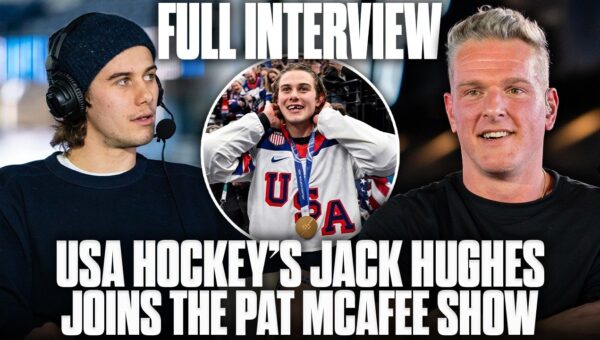
Hughes Delivers Gold: USA Hockey’s Golden Boy
Olympic gold medalist Jack Hughes joined The Pat McAfee Show, showcasing his gold medal and discussing the triumphant win. He highlighted the "American swagger" and deep camaraderie of the USA Hockey team, emphasizing the importance of family and humility in his journey. The "busted chicklet" from the game-winning goal has become an iconic symbol of his grit.