How to Reach Buyers Searching Beyond Google
Discover why your buyers are searching on platforms beyond Google, like Instagram, Amazon, and TikTok. Learn how to adapt your content strategy to be found across these AI-powered discovery engines and expand your online reach.


Understand the Shift in Online Search Behavior
Your potential customers are looking for products and services in many places online, not just on Google. While Google remains a giant with billions of daily searches, other platforms are seeing massive activity. Thinking your marketing can stop at Google means you’re missing out on a huge audience. This guide will help you understand where else your buyers are searching and how to be found.
Discover Where Your Buyers Are Searching
It’s easy to think of Google as the only search engine, but that’s no longer the case. Billions of searches happen daily across a variety of platforms. Instagram alone sees 1.5 billion searches every day. Amazon, a popular shopping site, processes 3.5 billion searches daily. TikTok and YouTube are also huge hubs for discovery, with billions of searches each.
Even places you might not expect, like the Apple App Store, are busy search engines. The Apple App Store handles 500 million daily searches. This shows that people use different apps and sites to find what they need. The Google Play Store is another significant platform for app discovery.
Why This Matters for Your Business
Understanding this broad search behavior is crucial for your marketing success. If your strategy only focuses on ranking high on Google, you’re limiting your reach. You need to be visible on all the platforms where your potential customers spend their time. This means adapting your content and marketing efforts to fit these different environments.
Leverage AI-Powered Discovery on Every Platform
Every major platform now uses its own form of artificial intelligence (AI) to help users discover content. Think of these AI systems like helpful assistants. They learn what people like and show them more of it. For example, TikTok’s AI is famous for showing you videos you might enjoy based on what you’ve watched before.
Similarly, Amazon’s AI suggests products based on your past purchases and browsing history. Instagram’s AI helps you find new accounts and posts you might like. Your job is to create content that these AI systems can understand and recommend to the right people. This requires a different approach than just trying to get keywords right for Google.
Adapting Your Content Strategy
Your content strategy needs to be flexible and widespread. Instead of focusing solely on search engine optimization (SEO) for Google, you must think about discoverability everywhere. This means creating content that is suitable for each platform’s unique style and audience.
For instance, video content might perform well on TikTok and YouTube, while visually appealing images and short descriptions could work best on Instagram. Product-focused content and clear descriptions are key for Amazon. Think about how people use each platform and what kind of information they are looking for there.
Actionable Steps to Expand Your Reach
- Identify Key Platforms: Determine which platforms your target audience uses most frequently for searching and discovery. Look at where your competitors are active and successful.
- Optimize Content for Each Platform: Tailor your content to the specific format and user expectations of each platform. Use relevant keywords, hashtags, and descriptions that fit the platform’s search algorithms.
- Embrace Video and Visuals: Many platforms prioritize video and high-quality images. Invest in creating engaging visual content that captures attention quickly.
- Understand Platform Algorithms: Spend time learning how the AI discovery engines work on platforms like Instagram, TikTok, and Amazon. What signals do they value most?
- Engage with Your Audience: Interact with comments, messages, and user-generated content. Engagement signals to AI that your content is valuable and relevant.
- Consider App Store Optimization (ASO): If your business has an app, focus on making it discoverable within app stores. This involves optimizing your app’s title, description, and keywords.
- Analyze and Adapt: Regularly review your performance data across all platforms. See what’s working and what’s not, then adjust your strategy accordingly.
Expert Tip: Think Like a User, Not Just a Marketer
When creating content, put yourself in your customer’s shoes. What would you search for? What would make you click? How can you provide value in a way that fits the platform?
Warning: Don’t Spread Yourself Too Thin
While it’s important to be on multiple platforms, don’t try to be everywhere at once if you can’t do it well. Focus on the platforms that are most important for your business and where your audience is most active. Quality over quantity is key.
Source: Your Buyers Are Searching. Just Not on Google. (YouTube)

Related Articles


Podcast Leaps to YouTube Success After Trucker Deal
A personal finance podcast, started in 2006, found unexpected success on YouTube. A deal with Progressive Commercial for a trucker podcast series led to a last-minute video request. This sparked the team's pivot to video content and a successful YouTube channel.

Boost Your AI Visibility: Become a Recognized Brand Entity
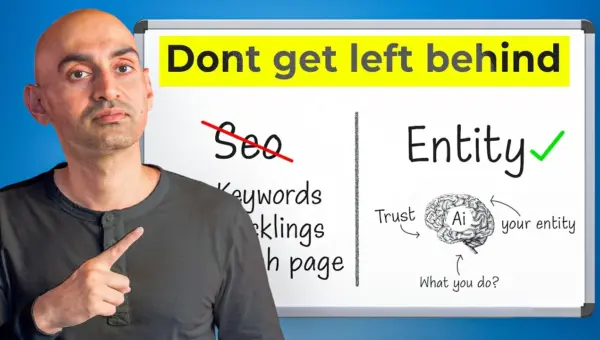
Learn how to make your brand visible to AI search engines by becoming a recognized "entity." This guide explains the shift from keyword SEO to defining your brand's unique identity for AI understanding. Discover how to use schema markup and focus on complex topics to ensure your brand is cited and trusted in the AI-driven search landscape.


How to Make Your Content Visible to AI Search Engines
Learn how to make your content visible to AI search engines by understanding and defining 'entities'. This guide explains why keywords aren't enough and how to structure your content so AI can find and cite it.