Houthis Join War, Expanding Conflict as US Sends Troops
The Houthi group from Yemen has joined the war, firing missiles at Israel and expanding the conflict. Simultaneously, the US is increasing its military presence in the region with thousands of Marines arriving and more troops potentially on the way. This escalation raises concerns about key shipping routes and the difficulty of achieving a peaceful resolution.

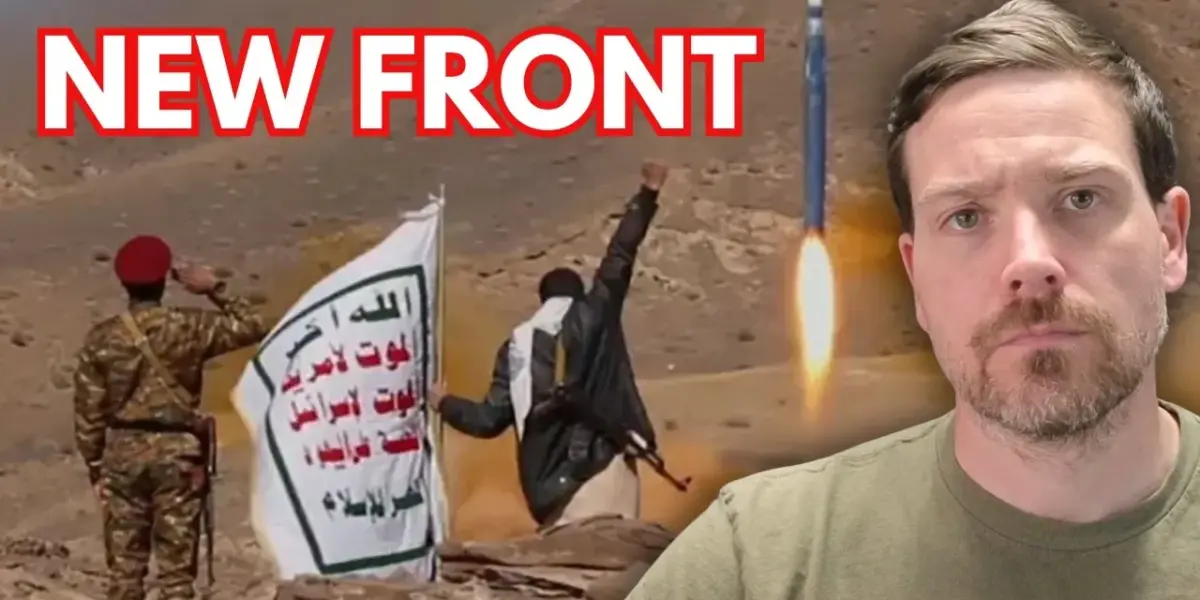
Houthis Join War, Expanding Conflict as US Sends Troops
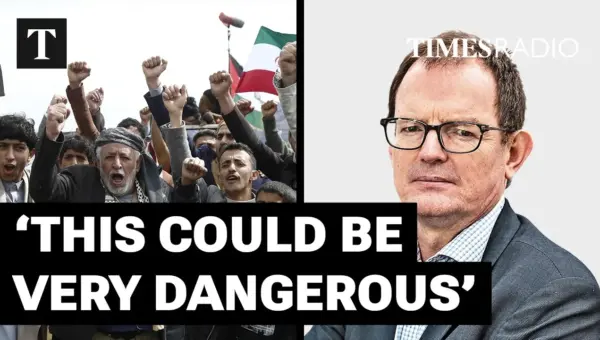
The conflict in the Middle East has a new player. The Houthi group from Yemen has officially joined the war, firing missiles at Israel. This move adds a new layer of complexity to an already tense situation. At the same time, the United States is increasing its military presence in the region.
Houthis Enter the Fight
The Houthi announcement came after days of discussion. They stated their decision to join was due to ongoing military actions and what they called “crimes and massacres” against people in Lebanon, Iran, Iraq, and Palestine. Their military declared they were ready to get involved if attacks on energy infrastructure increased or if the war spread. Just hours later, they acted, launching missiles toward Israel. While these missiles were reportedly intercepted, their involvement is significant.
A Wider Battlefield
Yemen is located to the south of Iran and the Persian Gulf. This means the Houthi attacks can come from a different direction than those from Iran. Countries like Saudi Arabia, the UAE, and Israel now face threats from both north and south. This stretches their air defense systems, which are limited. Every missile or drone launched requires an interceptor, and these are not unlimited resources. This new challenge forces these nations to watch for attacks from multiple directions.
Strategic Waterways at Risk
The Houthi involvement also puts key shipping routes in danger. The Bab el-Mandeb Strait, a narrow waterway near Yemen, is a crucial global trade route. If the Houthis were to disrupt shipping here, it could significantly impact global trade. This strait is even narrower than the Strait of Hormuz. Iran has already been seen as controlling or blocking the Strait of Hormuz. Disrupting the Bab el-Mandeb Strait would cut off a major path for goods, especially oil, moving between Asia and Europe. Saudi Arabia has also recently built a pipeline to ship oil west, bypassing the Strait of Hormuz. This pipeline is now a potential target for the Houthis.
US Troop Buildup
While the Houthi front opens, the United States is also shifting its military posture. The 31st Marine Expeditionary Unit, consisting of about 3,500 sailors and Marines, has arrived in the region. This unit has the capability to conduct amphibious assaults, seize islands, or establish beachheads. While some argue this force is too small for major invasions, its presence marks the first time such a large, deployable ground force is in the area. Reports suggest the Pentagon is considering sending up to 10,000 more ground troops. This potential buildup, along with other recently deployed units, could bring the total US ground force in the Middle East to around 17,000 personnel. This is a significant increase from just a few weeks ago when putting boots on the ground was considered highly unlikely.
Why This Matters
The entry of the Houthis and the increased US troop presence signals an escalation and widening of the conflict. The Houthi action directly challenges Israel and its allies, stretching their defenses and posing a threat to vital shipping lanes. For the United States, the deployment of Marines and potential further troop increases indicate a readiness for a more involved role, moving beyond just naval assets and air power. This could mean a greater risk of direct engagement.
Iran’s Perspective and Negotiation Challenges
Adding another layer to the conflict is the perception of victory within Iran. Some reports suggest that Iranian leadership believes they are winning. This belief, whether accurate or not, could influence their willingness to negotiate or de-escalate. If Iran feels it has the upper hand, it may demand more significant concessions, such as the removal of US bases or control over shipping lanes. This perception makes finding a peaceful resolution more difficult. It highlights the challenge of measuring success in a conflict and how different viewpoints can lead to vastly different strategies and demands.
Historical Context and Future Outlook
The Houthi movement has been a significant force in Yemen for years, often acting with support from Iran. Their involvement in this broader conflict is an extension of Iran’s regional influence and its network of proxy groups. These groups, while often aligned with Iran’s goals, can also act independently based on their own objectives. The current troop buildup by the US is notable given recent statements from US officials suggesting objectives could be met without deploying ground troops. The rapid shift in strategy suggests a response to evolving threats and a desire to project strength. The complexity of the conflict is amplified by the involvement of multiple actors, including Iranian proxies like Hezbollah and militias in Iraq and Syria, each with their own motivations. Moving forward, managing this multi-front conflict and finding a path to de-escalation will be incredibly challenging, especially if key players perceive the conflict differently.
Source: Houthis Just Joined the War: Iran's Proxy Opens Southern Front (YouTube)

Related Articles
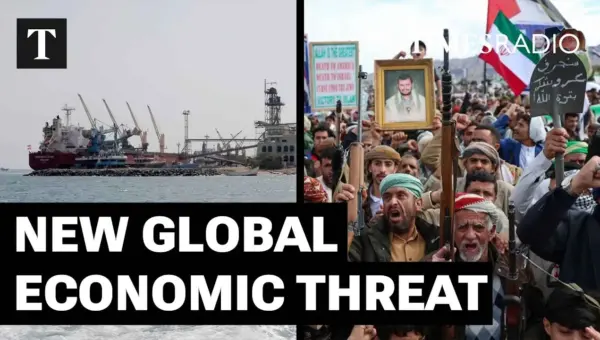
Houthis Escalate: Yemen Group Threatens Global Trade Routes
Yemen's Houthi rebels have launched missiles targeting Israel, escalating regional tensions and threatening global shipping. The group's actions could further disrupt trade and worsen the energy crisis, as experts warn of potential chokeholds on vital waterways like the Bab al-Mandab strait. Regional partners are seeking de-escalation amid fears of a wider conflict.

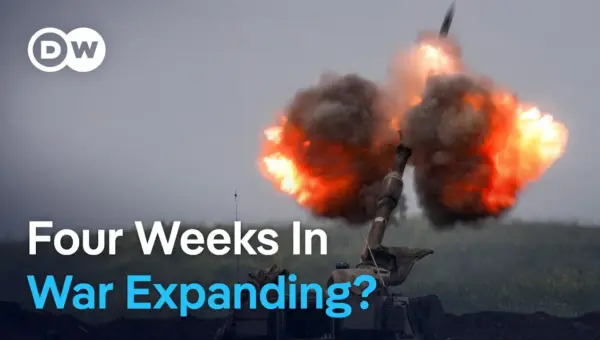
Iran War Escalates: Houthis Join Conflict as Civilians Suffer
The conflict involving Iran, the US, and Israel has escalated significantly in its fifth week, with Yemen's Houthi militia officially joining the war and launching missile attacks. Civilian populations in Iran and Lebanon are facing immense suffering, displacement, and destruction as attacks intensify across the region. Diplomatic talks are reportedly underway, but rising oil prices and divergent international goals cast a shadow over prospects for peace.

Houthis Join Mideast Conflict, Threaten Global Trade Routes
Yemen's Houthi rebels have joined the regional conflict, launching a missile at Israel and threatening to close the vital Strait of Mandeb. This escalation raises serious concerns about global trade disruptions. The Houthis' deep ties to Iran and the resilient structure of the Iranian regime add complexity to efforts to de-escalate the ongoing tensions.