Houthis Join Mideast Conflict, Threaten Global Trade Routes
Yemen's Houthi rebels have joined the regional conflict, launching a missile at Israel and threatening to close the vital Strait of Mandeb. This escalation raises serious concerns about global trade disruptions. The Houthis' deep ties to Iran and the resilient structure of the Iranian regime add complexity to efforts to de-escalate the ongoing tensions.

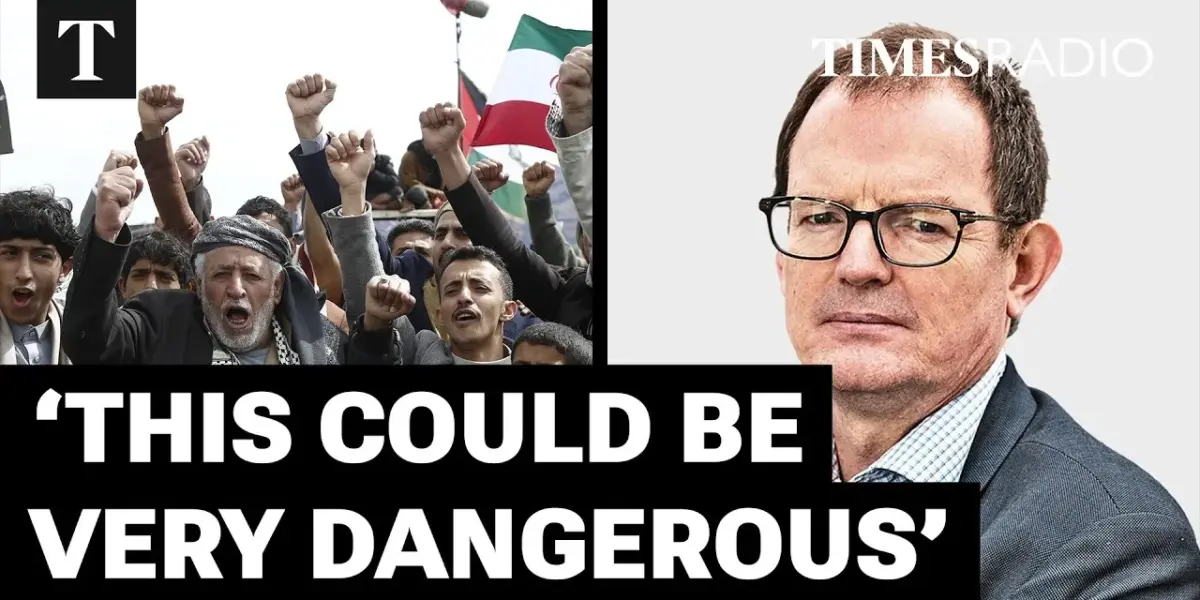
Houthis Escalate Regional Conflict with Missile Attack
Yemen’s Houthi rebels, backed by Iran, have launched a missile toward Israel, marking a significant escalation in the ongoing conflict. This is the first such attack from the group since the war between Israel and Iran-backed factions began a month ago. The Houthis stated the missile strike was a response to continued attacks on infrastructure in Iran, Lebanon, Iraq, and Palestinian territories.
Global Trade Fears Rise as Key Waterway Threatened
While the immediate impact of the missile attack is limited due to Israel’s missile defense systems, the Houthis’ potential to disrupt global trade is a major concern. The group controls the Strait of Mandeb, a crucial waterway connecting the Red Sea to the Gulf of Aden. If the Houthis decide to close this strait, it could severely impact global shipping, similar to the effect of closing the Strait of Hormuz. This would double the impact on world trade flows, causing significant economic trouble.
Iran’s Strategy: Asymmetrical Warfare and Proxy Power
According to Times foreign correspondent Richard Spencer, speaking from Tel Aviv, Iran is using this escalation to demonstrate its ability to wage asymmetrical warfare against the United States and Israel. The Houthis, while supported by Iran, also have their own interests. They have grown from a small faction into a semi-governmental organization controlling a significant portion of Yemen, including its capital, Sanaa, since 2014. Despite a ceasefire in Yemen’s civil war, the Houthis feel an obligation to support Iran when called upon, leading to this limited but potentially dangerous involvement.
Uncertainty Over Diplomatic Efforts and Future Escalation
The current situation casts doubt on recent diplomatic efforts to de-escalate the conflict. Statements suggesting the war is weeks away from ending are being questioned. Richard Spencer noted that the next ten days are critical. If ongoing negotiations lead to a deal and both sides can step back, the war might wind down quickly. However, if no deal is reached, the United States might feel compelled to use its ground forces, leading to a massive escalation on all fronts.
Understanding Iran’s Resilient Regime Structure
Spencer also discussed the complex nature of Iran’s government, likening it to a ‘hydra’—a mythical creature with many heads, where cutting off one still leaves many others. He explained that Iran’s regime is not like those in Libya or Syria, which were centered around a single family. Instead, Iran’s government is deeply rooted in its ideological principles and the Revolutionary Guard (IRGC). The IRGC is embedded in every aspect of society, including business, finance, politics, and the military.
The Challenge of Regime Change
This deep entrenchment means that removing top leaders does not necessarily lead to the collapse of the regime. There are always successors ready to step in. Spencer highlighted that the late Supreme Leader, Ayatollah, held significant authority and could mediate between hardliners and reformists. His son, now in power, is reportedly beholden to the Revolutionary Guard, which is said to have helped him ascend. Hardline factions within the IRGC are placing their loyalists in key security and governmental positions, including the National Security Council and the head of the IRGC itself. This structure makes the regime incredibly resilient and difficult to overthrow, with significant ideological and financial interests supporting its survival.
Looking Ahead: Trade and Regional Stability
The coming days will be crucial in determining the future trajectory of the conflict. The world will be watching closely to see if the Strait of Mandeb remains open and if diplomatic efforts can prevent a wider regional war. The resilience of the Iranian regime also presents a long-term challenge for international relations in the Middle East.
Source: Iran War Escalation: Houthis Join And Threaten To Close The Strait Of Mandeb | Richard Spencer (YouTube)

Related Articles

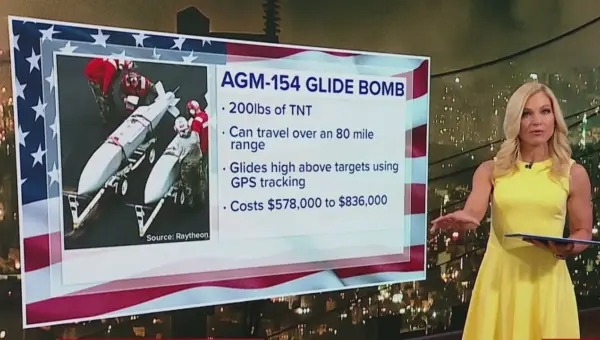
Iran War Costs Soar, Fueling Global Energy Price Hikes
The escalating war involving Iran, the U.S., and Israel has already cost over $11 billion, heavily impacting global energy markets. Missile strikes and drone warfare are driving up gas prices worldwide, with the Strait of Hormuz remaining a critical choke point.

Iran Strikes Saudi Base, Escalating Mideast Tensions
Iran launched a significant missile and drone attack on Prince Sultan Air Base in Saudi Arabia. While defenses largely held, U.S. troops were wounded and tankers may be damaged. The U.S. is reinforcing the area.

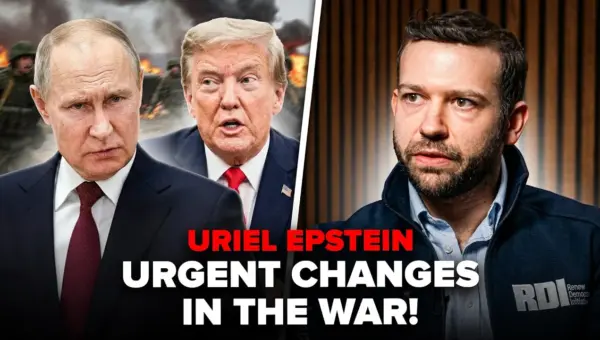
US Troop Buildup Hints at Iran Incursion Risk
A significant US military buildup in the Middle East, including a large deployment of troops and equipment, raises concerns about a potential ground incursion into Iran. Analysts suggest this move may be driven by unpredictable decision-making, potentially influenced by personal interests rather than strategic goals. Public opposition to intervention remains high, making any military action politically sensitive. The situation also has broader geopolitical implications, particularly concerning US-China relations and the ongoing conflict in Ukraine.