House Votes on Trump’s War Powers Amid Iran Tensions
The House of Representatives is poised to vote on a resolution limiting President Trump's war powers concerning Iran. Congressman Joe Neguse highlighted constitutional concerns and contrasted current actions with past presidential military engagements. The interview also addressed allegations of misused taxpayer funds in a DHS contract.

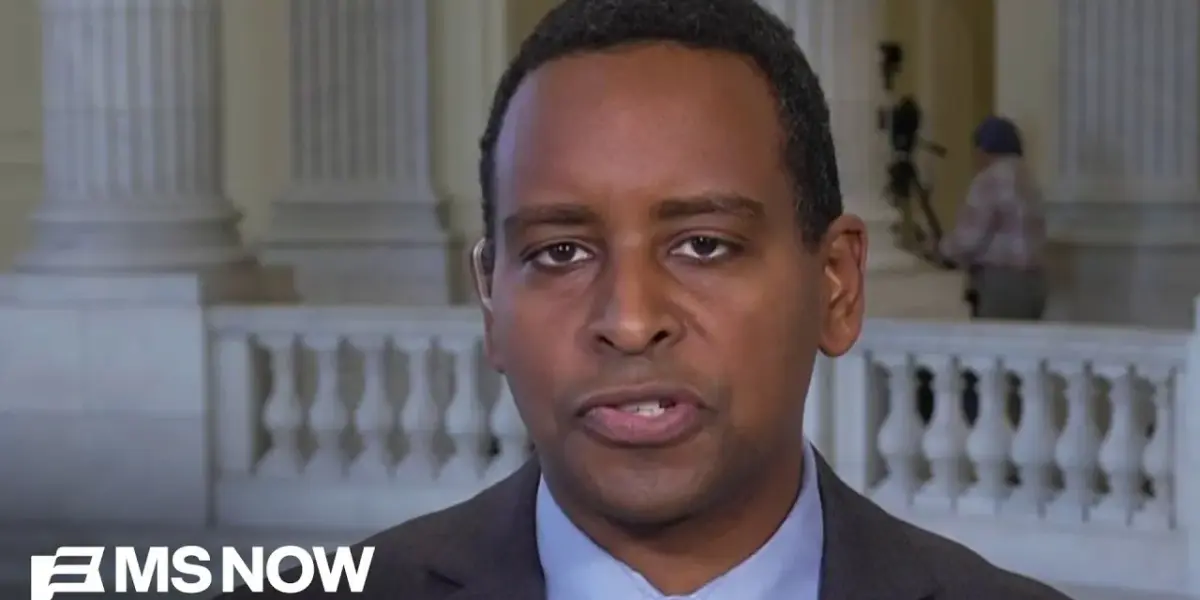
House Set to Vote on Limiting President’s War Powers
Washington D.C. – The House of Representatives is expected to hold a critical vote later today on a resolution that would limit President Trump’s war powers, particularly concerning military actions in Iran. This legislative push comes just a day after Senate Republicans narrowly defeated a similar measure. The Senate vote, which fell 53 to 47, saw a number of Republican senators who had previously supported limiting presidential powers in other contexts, ultimately vote against restricting the President’s authority regarding Iran.
Constitutional Authority and Founding Principles
Democratic Congressman Joe Neguse of Colorado, a member of the House Judiciary Committee and Assistant Democratic Leader, emphasized the profound constitutional implications of the pending House vote. “The fact that so many Senate Republicans saved for one ultimately capitulated to this president is consistent with the way in which they have functioned since the day Donald Trump was first inaugurated 14 months ago,” Neguse stated, expressing his disappointment but not surprise at the Senate’s outcome. He underscored the foundational principle that the power to declare war should reside with Congress, the people’s elected representatives, not a single individual. “As you know, the framers and the founders wisely concluded that the power to declare war ought to rest with the Article One branch of our government,” Neguse explained, referencing the Federalist Papers and founding documents. “It’s critically important that we pass the War Powers Resolution this afternoon.”
“The framers and the founders wisely concluded that the power to declare war ought to rest with the Article One branch of our government.”
– Congressman Joe Neguse
Distinguishing Current Circumstances
During the discussion, the question arose about historical precedents where presidents have engaged in military actions, sometimes limited, without explicit congressional authorization. Examples cited included operations under President Obama in Libya and actions by President Biden in the Middle East. Congressman Neguse differentiated these situations from the current circumstances concerning Iran. “The operations, for example, under President Obama in Libya… in that instance, you’re talking about an that was ultimately a joint operation by NATO, as well as involvement from the UN,” Neguse clarified. He argued that the present situation involving Iran is materially and significantly different, asserting that President Trump acted unconstitutionally by initiating major military actions without congressional authorization, thereby plunging the United States into an unauthorized war.
Oversight and Allegations of Misuse of Funds
Beyond the war powers debate, the interview also touched upon a recent Homeland Security Committee hearing where Congressman Neguse questioned Secretary Kirstjen Nielsen regarding a $143 million contract awarded by the Department of Homeland Security (DHS) to a company with ties to her political allies in South Dakota. Neguse described the contract, related to an advertising campaign featuring Secretary Nielsen, as lacking competitive bidding and instead being awarded to an entity with clear Republican political connections.
“In this instance, you have the secretary and senior officials at DHS treating taxpayer money as though it is their own,” Neguse asserted. He characterized the situation as a violation of the law and suggested it was a reason why the secretary was attempting to prevent the Inspector General from investigating various matters within DHS. “I just, I think the people of our country should be offended at the way in which they are grifting and ultimately fraud with taxpayer dollars,” Neguse concluded, highlighting concerns about the ethical use of public funds.
Looking Ahead
The outcome of the House vote on the War Powers Resolution is anticipated with significant interest, as it represents a direct challenge to presidential authority in matters of war and foreign conflict. The debate is expected to be robust, with proponents aiming to uphold Congress’s constitutional role. Meanwhile, the allegations of impropriety regarding the DHS contract raise ongoing questions about accountability and transparency in government spending. The coming hours will reveal whether the House will align with the Senate’s recent decision or assert its own authority in these critical national security and fiscal matters.
Source: 'Critically important': House member on the need for passing bill limiting Trump's power in Iran (YouTube)

Related Articles

DOJ Withholds Trump’s Epstein Files, Citing ‘False’ Claims
The DOJ admits to withholding over 47,000 files from the Epstein investigation, citing 'false' accusations against Donald Trump. However, prior FBI interviews with a witness raise questions about the swift dismissal of these serious claims.

Congress Sidesteps War Powers: A Constitutional Crisis Unfolds
The Senate's recent vote against a War Powers Resolution to block military action against Iran has reignited debate over Congress's constitutional authority. While some defend the executive's actions, critics argue it undermines democratic oversight and risks prolonged, undeclared wars.
Trump Uses Trade Threats as ‘Play Money’ Against Allies
President Trump's use of trade threats as 'play money' against allies, exemplified by a recent ultimatum to Spain over defense spending, is raising concerns. Experts warn this tactic, while characteristic of Trump's approach, undermines global confidence and can have unintended negative consequences for U.S. businesses and consumers.