House Subpoenas AG Bondi Over Missing Epstein File Details
The House Oversight Committee has subpoenaed Attorney General Pam Bondi as part of its investigation into the Jeffrey Epstein case, seeking missing documents and testimony. Concerns are mounting over withheld information, including survivor statements that could identify powerful individuals. The move highlights a bipartisan push for transparency and raises questions about public trust in the justice system.

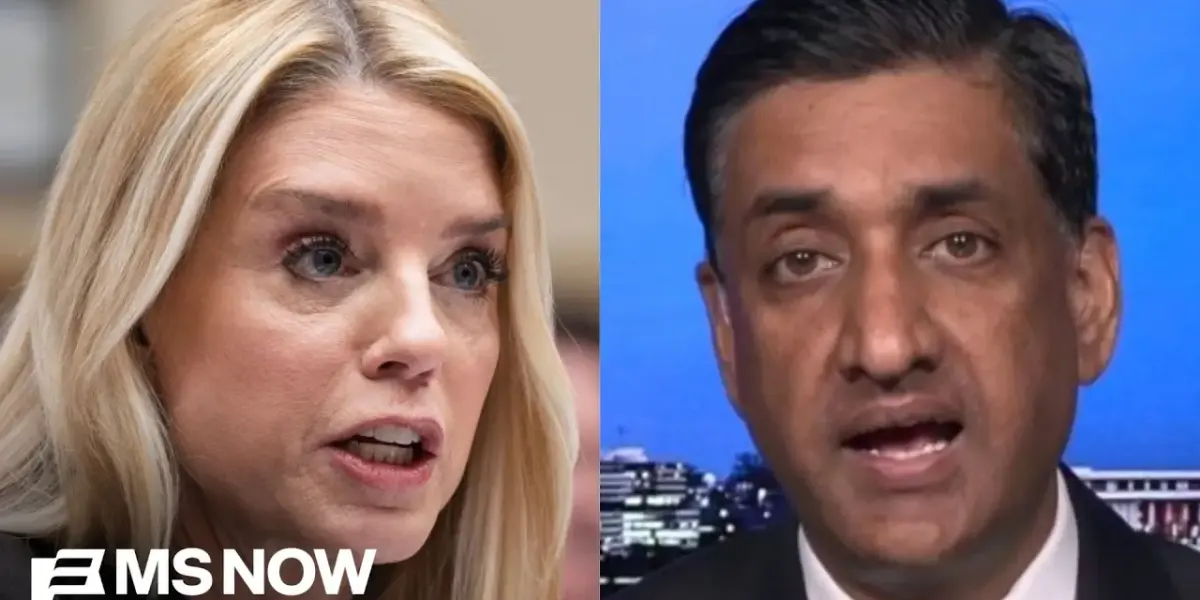
House Oversight Committee Subpoenas Attorney General Pam Bondi in Epstein Investigation
Washington D.C. – The House Oversight Committee has voted to subpoena Attorney General Pam Bondi to appear for a closed-door deposition as part of its ongoing investigation into the Jeffrey Epstein case. The move, introduced by Republican Congresswoman Nancy Mace, aims to address concerns over missing video, audio logs, and interview notes from files released by the Department of Justice (DOJ). The DOJ has faced significant criticism from lawmakers across the political spectrum for its handling of the Epstein files, including missed deadlines, inconsistent document releases, and the withholding of crucial information.
Concerns Mount Over Withheld Epstein File Information
The subpoena reflects a bipartisan push to uncover what information remains concealed within the Epstein files. The transcript of an interview with Democratic Oversight Committee member, Congressman Ro Khanna of California, highlights the frustration felt by many lawmakers. “The Epstein files are not a witch hunt to the vast majority of Americans who want to find out who did what and when,” Khanna stated, emphasizing the public’s desire for transparency. He expressed skepticism about receiving direct answers from Attorney General Bondi, noting her past tendency to deflect questions. “Her modus operandi has been to come there and insult members of Congress,” Khanna said. “But this Epstein cover-up is not about politics.”
“This is about an Epstein coverup. It’s about a broken Donald Trump. He said he was going to release these files and people are upset. They’re upset that rich and powerful people raped or abused these young girls and that half of the file are hidden and that the survivor’s statements about who these men are, are hidden.”
Rep. Ro Khanna
What’s Missing and Why It Matters
Congressman Khanna elaborated on the extent of the withheld information, stating that approximately half of the files have yet to be released. These missing documents are believed to include sensitive survivor statements that could identify powerful individuals implicated in Epstein’s network. “Some of those files, they simply have hid,” Khanna explained. He pointed to a particularly concerning instance involving allegations against former President Donald Trump. While one FBI interview with the accuser was released, three other witness interviews remain undisclosed, with no explanation provided by the DOJ. “They have not released still three other witness interviews of this woman, and they’ve provided no explanation for why they haven’t done that in blatant violation of Congress,” Khanna asserted.
The potential implications of these missing documents are profound. The release of the initial files has already led to the prosecution of former royalty and high-profile resignations, demonstrating the far-reaching impact of the ongoing investigation. However, the continued redaction and withholding of information fuel concerns about a potential cover-up designed to protect influential figures. “It’s unclear whether they have tampered with these documents. But if they have, that is an enormous crime and a cover-up,” Khanna warned.
Broader Implications and Public Trust
The Epstein case has become a symbol of a perceived two-tiered justice system in the United States, where the wealthy and powerful allegedly evade accountability. Congressman Khanna drew a parallel between the handling of the Epstein files and the public’s disillusionment with government promises. He noted that many voters who supported Donald Trump felt he would challenge the corrupt elite and prioritize American interests. The perceived lack of transparency in the Epstein investigation, coupled with recent foreign policy decisions, has led some to question whether any politician can truly fulfill fundamental promises to their constituents.
The situation raises critical questions about public trust and the government’s commitment to transparency, particularly when allegations involve high-profile individuals. The delay in releasing comprehensive information not only hinders the pursuit of justice for survivors but also erodes public confidence in the integrity of the justice system.
Looking Ahead: The Fight for Transparency Continues
The subpoena of Pam Bondi marks a significant escalation in the congressional effort to obtain full transparency regarding the Epstein case. While Congressman Khanna remains uncertain about receiving definitive answers, the bipartisan nature of the vote signals a growing determination to hold the DOJ accountable. The public’s attention may be fleeting, but the demand for justice and accountability in the Epstein case continues to resonate. Future actions by the House Oversight Committee and the DOJ’s response to the subpoena will be closely watched as this investigation progresses.
Source: 'Not confident we'll get answers': Rep. Khanna on Bondi's subpoena by House committee (YouTube)

Related Articles

Trump’s DOJ Struggles to Fulfill Retribution Demands
Federal prosecutors have dropped a criminal probe into Joe Biden's use of an autopen for signing documents, a case reportedly initiated by Donald Trump. This decision highlights ongoing struggles within the Justice Department to fulfill Trump's demands for retribution against perceived enemies, a pattern observed across multiple investigations.


AG Bondi Subpoenaed: Epstein Cover-Up Grinds into Congressional Spotlight
Former Florida AG Pam Bondi is subpoenaed by Congress over the Justice Department's handling of Epstein records. This development, alongside Supreme Court rulings on tariffs and redistricting, highlights ongoing battles for transparency and accountability in American law and politics.
Noem Faces Scrutiny Over ‘Bad Decisions’ Amidst Epstein File Controversy
South Dakota Governor Kristi Noem faces mounting criticism over alleged "bad decisions" linked to fatalities and claims of misleading Congress. Meanwhile, calls for transparency in the Epstein case intensify, with scrutiny on former AG Pam Bondi's potential testimony.