House Oversight Subpoenas Pam Bondi Over Epstein Files
The House Oversight Committee has voted to subpoena former Florida Attorney General Pam Bondi as part of its investigation into the Department of Justice's handling of the Jeffrey Epstein case. Lawmakers are seeking testimony and documents related to the release of Epstein files, expressing frustration over what they deem excessive redactions and a lack of transparency.

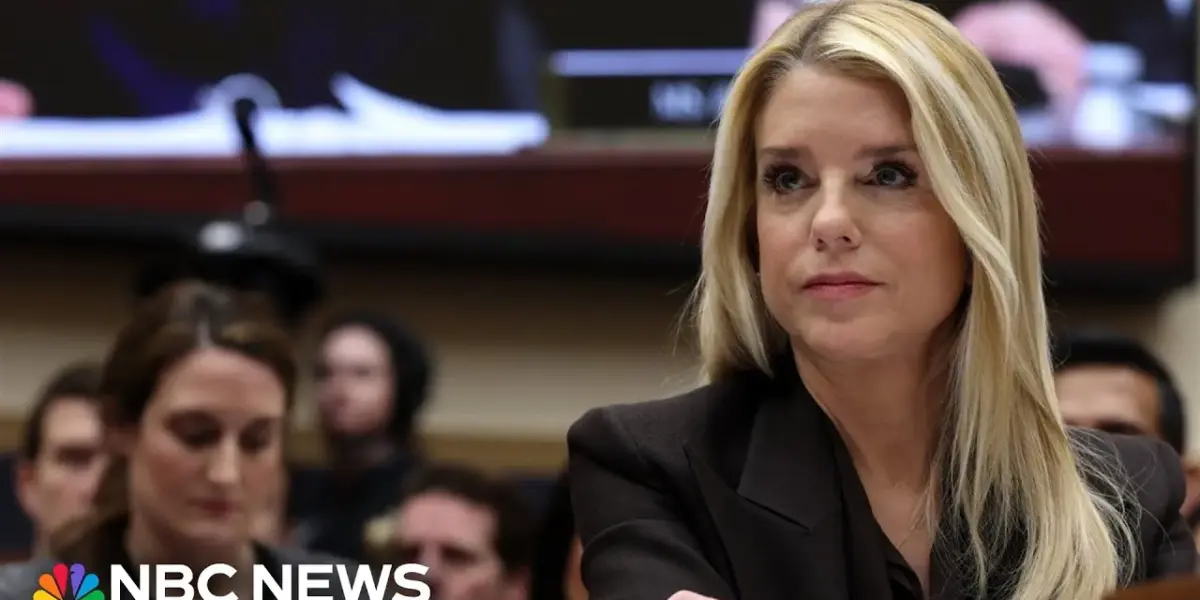
House Oversight Committee Votes to Subpoena Pam Bondi on Epstein Investigation
In a significant development on Capitol Hill, the House Oversight Committee has voted to subpoena former Florida Attorney General Pam Bondi. The subpoena is aimed at securing her testimony regarding the Department of Justice’s handling of the Jeffrey Epstein investigation and the release of related files. The vote saw a rare bipartisan alignment, with some Republicans joining Democrats in the decision, highlighting a growing frustration with the Justice Department’s transparency efforts concerning the Epstein case.
Frustration Over Epstein File Disclosures Mounts
The push for the subpoena stems from dissatisfaction with the Department of Justice’s compliance with the Epstein Transparency Act. This legislation mandates the public release of all files related to the Epstein investigation, with redactions permissible only for ongoing investigations or to protect the identities of survivors. Members of the committee, notably Republican Congresswoman Nancy Mace, have expressed concerns that the Justice Department has been overly aggressive with redactions, leading to inconsistent disclosures.
“I have a lot more questions, and I don’t expect to be talking about the stock market,” stated Mace, referencing previous questioning of Bondi where such topics arose. “So she better not bring those notes when she comes to the Oversight Committee.” This remark alludes to past hearings where survivors of Epstein’s abuse were present, advocating for the release of the files, and where the effectiveness of the Department of Justice’s redaction process has been called into question.
Questions Surrounding Redactions and Missing Information
Committee members have pointed to specific instances of what they perceive as questionable redactions. For example, the name of Les Wexner, a business partner of Jeffrey Epstein and an alleged co-conspirator, was reportedly redacted at one point. Conversely, the names of some survivors have not been redacted, leading to accusations that the Department of Justice has not been sufficiently forthcoming about its redaction policies and the reasons behind them.
“The Department of Justice is just not complying with the Epstein Transparency Act,” explained Ryan Nobles, reporting from Capitol Hill. “Members of Congress… have felt that the Department of Justice has been way too heavy handed with their redactions, that the redactions are inconsistent.” The committee seeks to understand the process behind these decisions and why full compliance with the act has not been achieved.
DOJ Confirms Reriview of Thousands of Documents
Adding another layer to the ongoing controversy, the Department of Justice has confirmed that it is re-reviewing approximately 40,000 documents that were not initially released. This confirmation, first reported by The Wall Street Journal, comes as the department stated that some redactions and errors may have occurred during the initial rapid release of information. The DOJ asserts that no files have been deleted and that its team is working diligently to address victims’ concerns and properly redact personally identifiable information and sexually explicit content.
“The Department is not deleted any files from the library in compliance with the FTA. Our team is working around the clock to address victims concerns, redact personally identifiable information and any images of a sexual nature,” the Department of Justice stated in a release. According to the Wall Street Journal, as of March 2nd, nearly 50,000 files were offline for further review.
Notably, among the documents being re-examined are those containing specific allegations against former President Donald Trump. This has raised particular scrutiny, as allegations against Trump have reportedly been removed from public view and later reinstated in the past, fueling concerns about selective transparency.
Expanding Witness List Includes High-Profile Individuals
Beyond Pam Bondi, the committee is also seeking voluntary testimony from a new roster of prominent individuals. This list includes figures such as Bill Gates, Clinton confidante Doug Band, former White House Counsel Kathy Ruemmler, and Commerce Secretary Howard Lutnick. Unlike the subpoena issued to Bondi, these requests are currently for voluntary appearances, which grants witnesses a degree of negotiating power regarding the scope of questioning.
“If you’re a witness and you’re being asked to come in voluntarily, that does give you a degree of negotiating power,” Nobles observed. “You can say, ‘I’ll come in, but only if you ask me about X, Y, and Z.'” The transition to a subpoena, however, would make compliance more difficult and limit a witness’s ability to set conditions. The committee is expected to exert pressure on these individuals to cooperate, particularly given the high-profile nature of the Epstein case and the ongoing pursuit of transparency.
Looking Ahead: The Road to Transparency
The subpoena of Pam Bondi and the expanded list of potential witnesses signal a determined effort by the House Oversight Committee to uncover the full truth behind the Jeffrey Epstein scandal and the Justice Department’s handling of the case. The coming weeks will likely see intense scrutiny on the Department of Justice’s response to these demands, the cooperation of the requested witnesses, and the ultimate release of information that could shed further light on one of the most disturbing cases of recent times. The public will be watching closely to see if these actions lead to greater accountability and transparency.
Source: House Oversight Committee votes to subpoena Pam Bondi over Epstein files (YouTube)

Related Articles

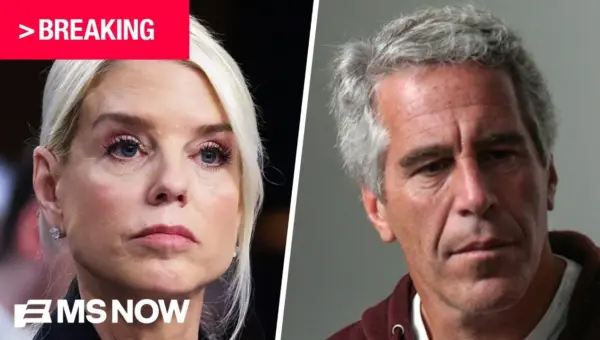
House Panel Subpoenas Pam Bondi in Epstein Probe
The House Oversight Committee has voted 24-19 to subpoena former Florida Attorney General Pam Bondi in connection with the ongoing Jeffrey Epstein probe. The bipartisan decision reflects growing frustration over the redaction and withholding of key documents related to the case.

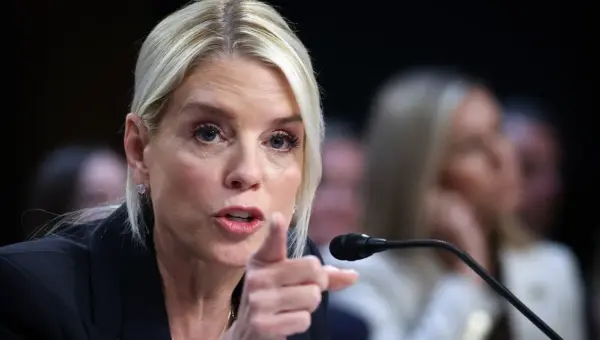
Epstein Files Subpoena Signals New Era for Congressional Oversight
A bipartisan coalition in the House Oversight Committee has successfully subpoenaed Florida Attorney General Pam Bondi as part of the ongoing Jeffrey Epstein investigation. This move signals a significant push for transparency and accountability, potentially setting new precedents for congressional inquiries into powerful figures.

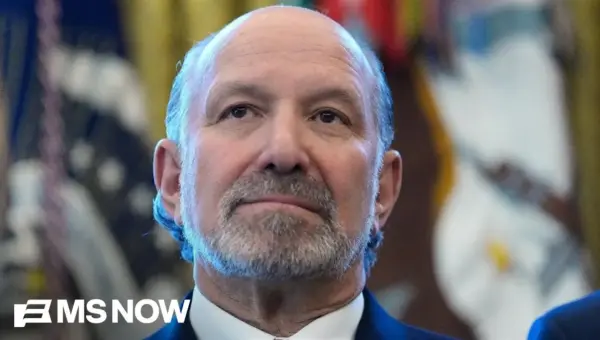
Rep. Garcia Blasts Commerce Sec. Lutnick Over Epstein Ties
Rep. Robert Garcia has sharply criticized Commerce Secretary Howard Lutnick over his Epstein ties, stating the committee was prepared to subpoena him. Garcia also called for Donald Trump's testimony and criticized Republican priorities in the House Oversight Committee's investigation.