House Funds DHS Short-Term, Senate Stalemate Looms
The House has passed a short-term bill to fund the Department of Homeland Security, but the Senate is expected to reject it. This temporary measure highlights ongoing political divisions and the challenges in reaching long-term budget agreements in the U.S. Congress.


House Passes Short-Term DHS Funding, Senate Block Expected
The U.S. House of Representatives has passed a short-term funding bill for the Department of Homeland Security (DHS). This measure is designed to keep the department running for several more weeks. However, its immediate impact is limited because the Senate is expected to reject it. Senate Democrats are currently on recess and have indicated they will not support this temporary fix. This means the situation remains largely unchanged for now.
Key Vote Details Emerge
The vote in the House saw a surprising show of bipartisan support, with three Democrats voting in favor of the bill. This move might suggest an effort to break through political gridlock and keep essential government functions funded. It signals a desire by some lawmakers to find common ground, at least temporarily. This allows for continued negotiations on more significant issues while preventing a government shutdown.
The Broader Context: Funding Debates
Continuing resolutions, like the one just passed, are temporary measures used to fund government operations when a full budget cannot be agreed upon by Congress. They are often used as a tool in political negotiations. Lawmakers use them to push for specific policy changes or to signal dissatisfaction with the other party’s proposals. In this case, the funding is for DHS, a large department with many responsibilities, including border security and immigration enforcement.
Senate’s Position and Future Negotiations
The Senate’s expected rejection highlights the deep divisions between the two parties. Senate Democrats likely want a more comprehensive funding bill that addresses their priorities. They may also be using the funding debate to pressure the House on other legislative matters. The focus of these ongoing negotiations often includes issues related to Immigration and Customs Enforcement (ICE). The lack of agreement means that a longer-term funding solution for DHS is still uncertain.
Global Impact
While this specific vote deals with U.S. domestic funding, it reflects broader trends in American political stability. Consistent short-term funding measures can create uncertainty for government agencies. This can impact their ability to plan long-term projects and operations. For international partners, a stable and predictable U.S. government is important for diplomatic and economic relations. Frequent funding battles can be seen as a sign of internal political challenges. This can affect how other countries view U.S. reliability and its ability to engage on global issues.
Why This Reshapes the World Order
The ongoing funding disputes in Washington are more than just internal political squabbles. They can indirectly influence the global stage. When the U.S. government is preoccupied with internal budget battles, its capacity to lead on international issues can be diminished. This creates openings for other global powers to increase their influence. Allies may question U.S. commitment, while rivals may see opportunities to advance their own agendas. The ability of the U.S. to effectively address global challenges, from security to climate change, depends on a functioning and stable government.
Historical Context
Government funding disputes are not new in U.S. politics. Congress has passed numerous continuing resolutions throughout history. These often occur when there are significant disagreements over spending priorities or policy riders attached to appropriations bills. Past government shutdowns, triggered by failures to pass budgets, have had tangible economic and social consequences. The current situation echoes these historical patterns, showing a recurring challenge in balancing partisan politics with the need for effective governance.
Economic Leverage
Funding for DHS is directly tied to its operational capacity. This includes its role in border management, which has significant economic implications. Issues like trade flow and the labor market can be affected by border policies. When DHS funding is uncertain, it can create instability in these areas. This instability can ripple through supply chains and impact businesses that rely on cross-border activity. The political battles over DHS funding are, therefore, also economic battles with real-world consequences.
Regional Alliances and Power Balances
The United States’ internal political dynamics can influence its relationships with regional allies and its standing in global power balances. A perception of political instability or dysfunction in Washington can lead allies to seek alternative partnerships or hedge their bets. Conversely, rivals may exploit such perceptions to project strength and expand their own influence. The ability of the U.S. to maintain strong alliances and project power effectively on the world stage is closely linked to its domestic political coherence.
Future Scenarios
Several outcomes are possible following this House vote. The most likely scenario is that the Senate will continue to hold out, leading to further negotiations and potentially another short-term extension. A less likely, but possible, scenario is that the Senate might eventually agree to a longer-term funding bill, but only after significant concessions are made by the House. The least likely scenario, given current political divisions, is a complete breakdown resulting in a government shutdown, though this is always a possibility when budget deadlines loom.
Source: House passes bill to fund DHS | Jesse Weber Live (YouTube)

Related Articles

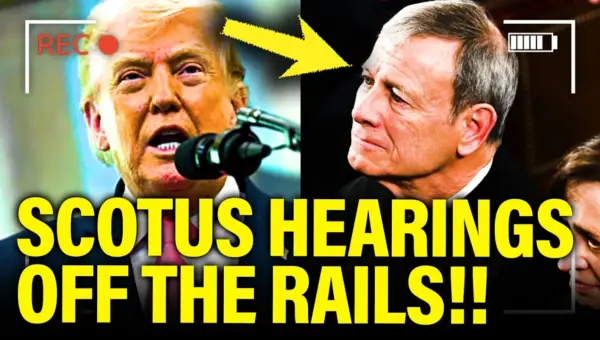
Supreme Court Cases Threaten Rights, But Congress Holds a Fix
The Supreme Court's recent hearings on mail-in ballots and asylum suggest rulings that could restrict voting access and limit refugee claims. However, these decisions are based on statutes, giving Congress the power to enact fixes if Democrats regain power, potentially safeguarding these rights.

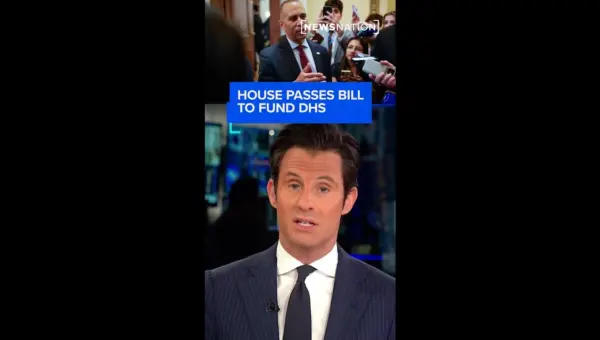
Congress Stalemate Threatens Border Security Funding
The U.S. House passed a temporary funding bill for the Department of Homeland Security, but Senate Democrats are expected to block it. This recurring stalemate highlights deep divisions over border policy and funding, potentially impacting national security and international perceptions of U.S. stability.
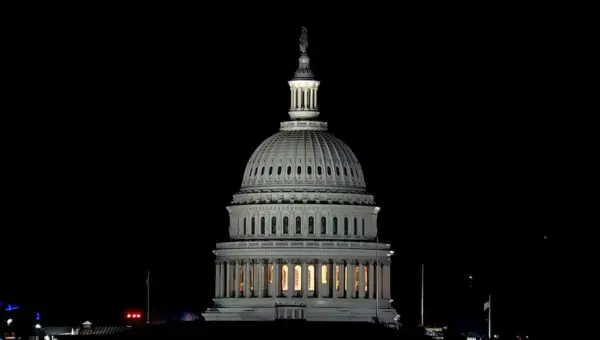
House Funds DHS, But Senate Deal Unlikely Amid Shutdown
The House of Representatives has passed a bill to fund the Department of Homeland Security, but the measure is unlikely to pass the Senate. TSA workers, who have faced missed paychecks and disruptions, may receive some pay soon due to a presidential order, but the broader shutdown continues.