House Dems Grill Spy Chief on Iran War, Trump’s Motives
House Democrats pressed intelligence chiefs on the rationale behind the ongoing war with Iran, questioning the clarity of objectives and the definition of imminent threats. Director of National Intelligence Tulsi Gabbard stated that the President's goals differed from Israel's, while reaffirming that only the President can deem a threat "imminent."


Intelligence Chief Faces Scrutiny Over Iran War Rationale
Top U.S. intelligence officials faced intense questioning from House Democrats for a second day regarding the ongoing conflict with Iran. The Director of National Intelligence, Tulsi Gabbard, told lawmakers that the Iranian regime’s intentions are now less clear than before the war began. “The objectives that have been laid out by the president are different from the objectives that have been laid out by the Israeli government,” Gabbard stated, highlighting a potential disconnect in war aims.
Key Questions on Nuclear Threat and Imminent Danger
Lawmakers pressed Gabbard on past statements regarding Iran’s nuclear program. When asked if she stood by her previous testimony that Iran was not building a nuclear weapon, she responded, “Context matters with that statement.” She clarified that Iran possessed the materials and capabilities but were not an imminent threat at that time. Gabbard reaffirmed her position that only the President of the United States can determine what constitutes an imminent threat, a statement echoed by CIA Director John Ratcliffe.
The intelligence community expressed high confidence in knowing the location of Iran’s enriched uranium. Meanwhile, Defense Secretary Pete Hegseth defended the reported $200 billion budget for the conflict, stating, “it takes money to kill bad guys.”
Geopolitical Tensions and Economic Fallout
The war has intensified attacks on energy sites in the Gulf, reportedly in retaliation for Israeli strikes on a shared gas field between Iran and Qatar. However, Israeli Prime Minister Benjamin Netanyahu later announced no further attacks would occur on that site following a personal request from President Donald Trump. The conflict has sent global energy prices soaring and caused stock markets to decline for two consecutive days.
Debate Over Presidential Decision-Making
Analysts and journalists debated the intelligence community’s stance on imminent threats and President Trump’s decision-making process. David Drucker, senior writer at The Dispatch, noted the apparent contradiction in intelligence officials deferring to the President’s judgment on imminent threats, especially given past accusations by some figures against previous presidents for rushing into conflict. “You could interpret it that way, couldn’t you?” Drucker remarked, suggesting a political performance for the President.
Luke Broadwater, White House correspondent for The New York Times, suggested that Trump listens to a range of advisors, including Secretary of State Marco Rubio and the Joint Chiefs of Staff. However, he also indicated that Trump often relies on his “gut” and seeks to leave a historical legacy. “He’s talking a lot about past presidents and how they were too scared or too cowardly to go and do this to Iran,” Broadwater observed. He added that the President seemed to be pursuing an aggressive path to make his mark on history, contrasting with earlier peace efforts.
“The objectives that have been laid out by the president are different from the objectives that have been laid out by the Israeli government.”
— Director of National Intelligence, Tulsi Gabbard
Diverging Objectives and Historical Parallels
Nayira Huck, former White House senior director, pointed out that divergence between Israeli and U.S. interests regarding Iran has always existed. She highlighted the risks to U.S. interests and the global economy that past presidents considered before engaging in military campaigns against Iran. The comparison of the current situation to a “Pearl Harbor moment” by the President also raised concerns about potential escalation, including the possibility of nuclear weapons being on the table.
Concerns were raised about political figures potentially misrepresenting intelligence, drawing parallels to the lead-up to the Iraq War. The questioning highlighted the need for clarity on the actual intelligence assessments driving U.S. policy towards Iran and the potential for a cover-up, similar to past instances where intelligence regarding weapons of mass destruction was disputed.
Looking Ahead: Clarity on War Aims and Intelligence
As the conflict continues, lawmakers and analysts will be watching closely for greater transparency regarding the specific objectives of the war and the intelligence underpinning these decisions. The divergence between U.S. and Israeli stated goals, coupled with the reliance on presidential determination of threats, leaves many questions unanswered about the path forward and the true drivers of this escalating conflict.
Source: ''Why do you have a job?' House Dems press spy chief on Iran threat (YouTube)

Related Articles

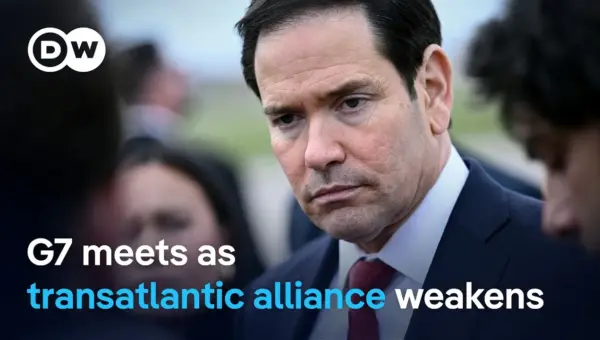
G7 Allies Clash Over Iran War Strategy, Urge Focus on Russia
G7 foreign ministers met in Paris, revealing deep divisions over the U.S. war with Iran. European allies urged the U.S. to pressure Russia, linking its actions to the conflict and fearing support for Ukraine will wane.


US Must Block China’s Tech Access for Security
US national security experts are raising alarms about China's access to advanced AI chips, arguing it threatens strategic advantages. This, coupled with charges against Chinese entities for fentanyl precursor sales and a ban on foreign routers, signals a growing effort to prioritize security over business ties.

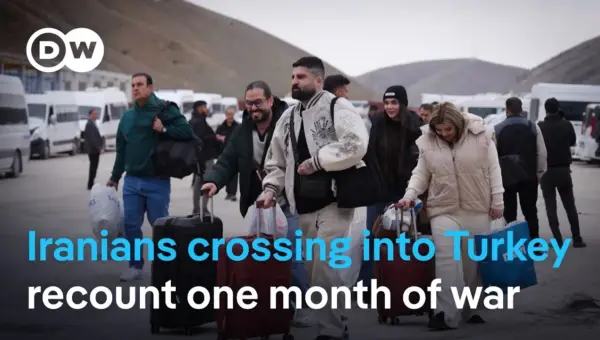
Iran War Exodus: Refugees Flee to Turkey Amidst Bombings
A train from Tehran brings refugees to Turkey, fleeing daily bombings and economic collapse. Many express deep fear for loved ones left behind, while some hold onto national pride and hope for victory. The conflict's impact is also felt economically in Turkey, with rising gas prices.