House Dem Slams Trump’s Iran Claims Amid Stalled Talks
Ceasefire talks between the U.S. and Iran have stalled in Pakistan, with Iran demanding an end to Israeli bombing in Lebanon before negotiations can begin. Congressman Mike Quigley criticized President Trump's claims of victory, arguing the situation is dire and objectives remain unmet.

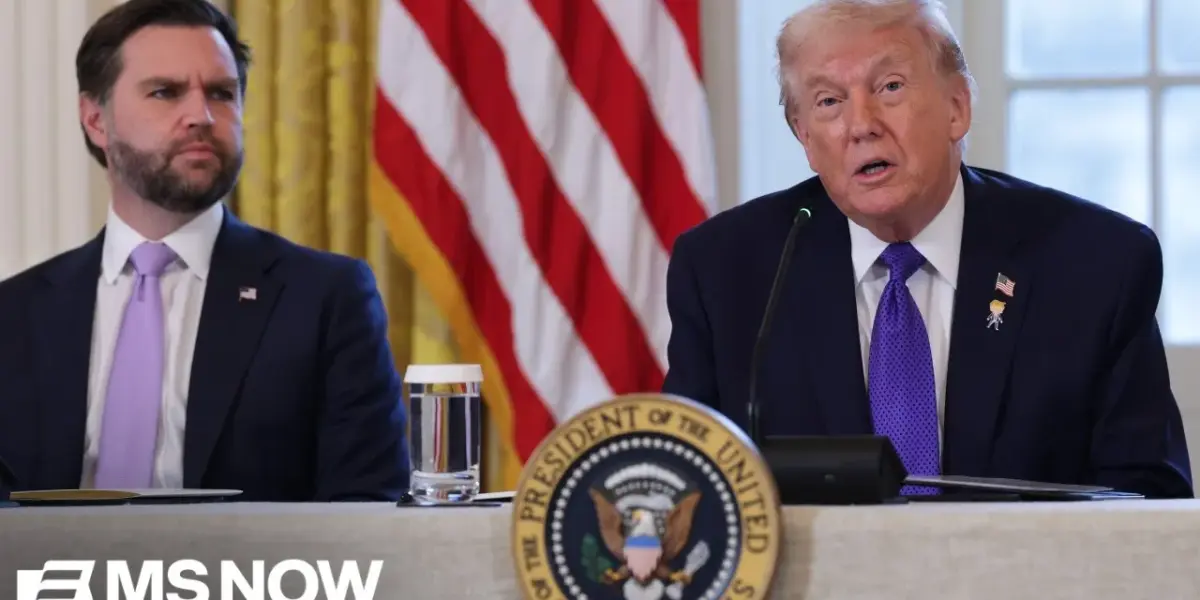
Ceasefire Talks Stall in Pakistan as Iran Demands Halt to Lebanon Bombing
Ceasefire negotiations aimed at ending the ongoing conflict in the Middle East and stabilizing global energy markets have reportedly stalled in Islamabad, Pakistan. U.S. and Iranian delegations are present for the talks, which were intended to hammer out a deal. However, direct negotiations between the two sides have not yet begun. Members of the Iranian delegation have indicated that talks will not start until a ceasefire is agreed upon in Lebanon, where Israeli bombing continues. Both delegations have met with Pakistani officials, who are brokering the discussions, but direct engagement between the U.S. and Iran remains elusive.
Congressman Quigley Criticizes Trump’s ‘Victory’ Declaration
The stalled talks come as President Trump has claimed a “total and complete victory” following a two-week ceasefire deal with Iran. This assessment has drawn sharp criticism from lawmakers like Democratic Congressman Mike Quigley of Illinois, a member of the House Intelligence Committee. Quigley argues that Trump’s claims do not align with the reality on the ground, stating, “If this is victory, we’re in really big trouble.” He pointed to several key issues that undermine the notion of a U.S. victory. The conflict has resulted in significant financial costs, the loss of service members, and a heightened risk of escalation. Furthermore, Quigley noted that the Iranian regime remains in power, with hardliners gaining more influence. Crucially, Iran still possesses stockpiled nuclear weapons, a threat that was present at the conflict’s outset.
“How this is a victory is just beyond comprehension. It’s a President who wants to claim victory no matter what happens.”
Iran’s Demands and U.S. Objectives Questioned
Iran has presented “maximalist demands” as a precondition for formal negotiations, according to Congressman Quigley. The primary demand is an end to Israeli bombing in Lebanon. Quigley expressed confusion over the U.S. sending a delegation when this fundamental condition has not been met, suggesting the U.S. may be “getting played.” He questioned the administration’s strategy, noting the lack of prior agreement with Israel, a U.S. ally, before sending negotiators. Quigley also highlighted a discrepancy between Trump’s stated objectives and the current situation. He referenced comments from Fox News anchor Lawrence Jones, who also pointed out that key U.S. demands have not been met. These unmet objectives include dismantling major nuclear facilities, ending uranium enrichment, transferring enriched stockpiles out of Iran, accepting intrusive international inspections, and suspending ballistic missile programs.
President’s Shifting Stance and the Risk of War
The transcript suggests that President Trump’s objectives regarding Iran may be inconsistent. Congressman Quigley, who receives ongoing briefings on Iran, stated that “the president changes his mind every 12 hours as to what the objectives are.” This shifting stance, Quigley believes, renders any potential outcomes from the negotiations meaningless. He also linked the current situation to Trump’s campaign promises of addressing inflation and avoiding new wars. Quigley warned that achieving Trump’s stated objectives would likely require a full-scale war, a scenario he deems “foolhardy” and “extremely dangerous.” He questioned the U.S.’s ability to win such a conflict while simultaneously fulfilling those objectives, emphasizing that the current approach risks a broader war.
Broader Implications and Future Outlook
The article touches on the broader implications of the Iran conflict and the U.S. approach. The withdrawal from the Joint Comprehensive Plan of Action (JCPOA), a deal aimed at curbing Iran’s nuclear program, is cited as a factor that worsened the situation. Quigley suggested that any long-term deal negotiated by the current administration might resemble the JCPOA, which the Trump administration had heavily criticized. This could involve significant financial incentives for Iran in exchange for eased sanctions. The ongoing diplomatic efforts, despite their current setbacks, underscore the persistent challenges in de-escalating regional tensions and managing Iran’s nuclear ambitions. The situation remains volatile, with the possibility of renewed conflict or a prolonged period of uncertainty.
Source: ‘We’re in big trouble’: House Dem slams Trump’s Iran victory claims as ceasefire talks under stress (YouTube)

Related Articles

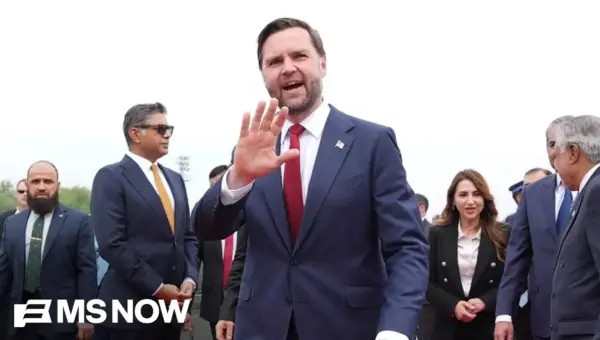
VP Vance Leads U.S. Team in High-Stakes Iran Ceasefire Talks
Vice President J.D. Vance is leading a U.S. delegation in high-stakes ceasefire negotiations with Iran in Islamabad, Pakistan. The talks, the highest-level between the two nations since 1979, are complicated by Vance's past criticisms of military intervention and significant differences on key issues like a ceasefire in Lebanon.
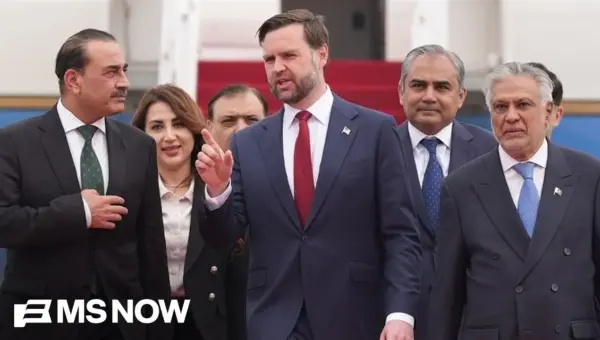
Iran Seeks Vance as US Envoy Amid Shifting War Aims
New peace talks are underway, but Iran remains skeptical due to past U.S. actions. Analysts suggest U.S. war aims lack clarity, complicating negotiations. Iran has reportedly requested J.D. Vance's presence, viewing him as a war skeptic.

Trump’s Crypto Fortune Fuels Economic Debate
A debate emerges over Donald Trump's significant cryptocurrency earnings versus rising gas prices for Americans. The discussion questions economic indicators like inflation and unemployment, while critiquing potential tax cuts for the wealthy and increased military spending's impact on national debt.