Horror Franchises’ Biggest Blunders Revealed!
From timeline-shattering deaths to nonsensical plot twists, certain moments have left horror fans scratching their heads and questioning the very fabric of their beloved franchises. Watch Mojo's latest deep dive into the Top 10 Exact Moments That DESTROYED Great Horror Franchises pulls back the curtain on those infamous scenes that divided audiences and, in some cases, irrevocably altered the course of cinematic nightmares.

Horror Franchises’ Most Infamous Stumbles Exposed!
From timeline-shattering deaths to nonsensical plot twists, certain moments have left horror fans scratching their heads and questioning the very fabric of their beloved franchises. Watch Mojo’s latest deep dive into the Top 10 Exact Moments That DESTROYED Great Horror Franchises pulls back the curtain on those infamous scenes that divided audiences and, in some cases, irrevocably altered the course of cinematic nightmares.
10. Jigsaw’s Untouchable Demise in ‘Saw III’
The Saw franchise, known for its intricate traps and morally ambiguous villain John Kramer (Jigsaw), faced a critical narrative hurdle with his death in Saw III (2006). While Tobin Bell’s portrayal of Jigsaw is central to the franchise’s visceral appeal, his definitive demise left screenwriters scrambling. Subsequent sequels resorted to flashbacks and Jigsaw collaborators to carry the torch, a narrative pivot that, while maintaining the spirit of the series, undeniably fractured the original timeline and left fans lamenting the loss of the central antagonist.
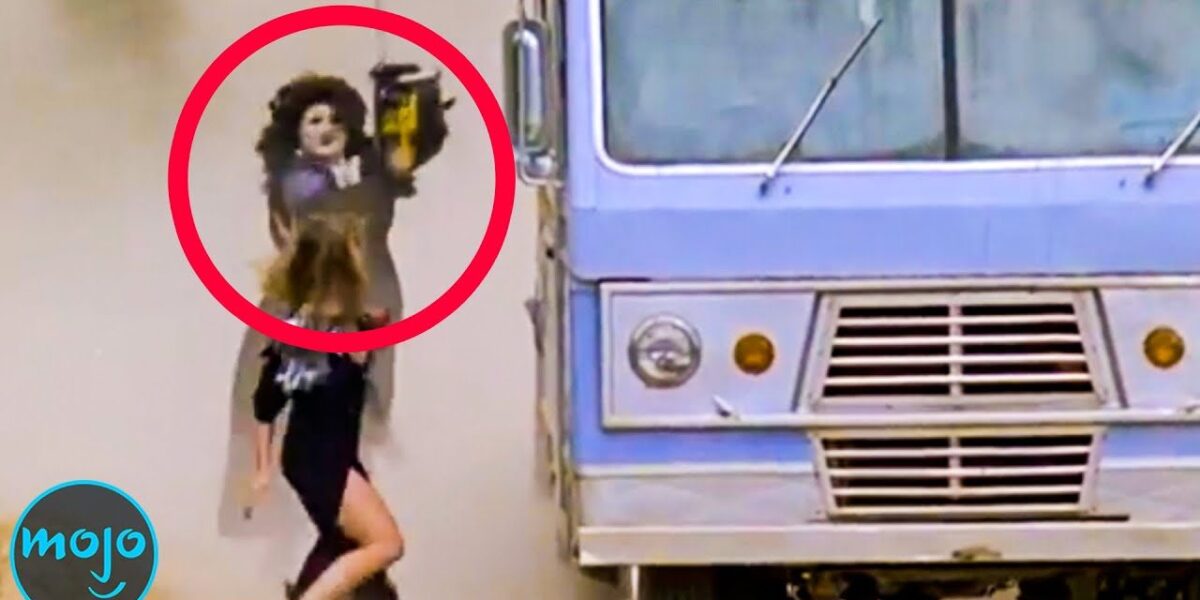
9. The Illuminati Twist in ‘Texas Chainsaw Massacre: The Next Generation’
Few franchises have the raw, gritty terror of The Texas Chainsaw Massacre. However, 1994’s Texas Chainsaw Massacre: The Next Generation took a sharp, bewildering turn by suggesting that the iconic Leatherface and his kin were somehow involved with the Illuminati. This jarring tonal shift from grounded grindhouse horror to a bizarre conspiracy theory alienated many fans, who felt it completely undermined the primal, almost documentary-like horror established in the original films. The film, starring a young Renée Zellweger and Matthew McConaughey, is often cited as a prime example of a franchise losing its way.
8. Uber Jason’s Space Odyssey in ‘Jason X’
Jason Voorhees, the silent, relentless killer from the Friday the 13th franchise, has seen his share of bizarre incarnations. After a string of less-than-stellar sequels in the late 80s and early 90s, the franchise took a leap into the absurd with Jason X (2001). The film sees Jason cryogenically frozen and reawakened in the year 2455 aboard a spacecraft. While the liquid nitrogen kill sequence remains a highlight, the introduction of the heavily augmented “Uber Jason” felt less like an evolution and more like a desperate, campy attempt to inject new life into a franchise that had long since lost its terrifying edge. The move to space, while ambitious, ultimately felt like a step too far for many fans.
7. Time Travel Shenanigans in ‘Paranormal Activity: The Marked Ones’
The Paranormal Activity franchise revitalized the found-footage genre, but its fifth installment, The Marked Ones (2014), ventured into uncharted, and for many, unwelcome, territory: time travel. While the film explored interesting occult themes and worked as a spin-off, its ending, which attempted to retroactively connect itself to the very first Paranormal Activity through a time-traveling spirit portal, felt like a desperate bid for relevance. This narrative leap left many fans feeling that the franchise was grasping at straws to maintain its connection to its origins.
6. The Doll Family Affair in ‘Bride of Chucky’ and ‘Seed of Chucky’
The Child’s Play franchise began with a genuinely creepy premise: a killer’s soul trapped in a doll. The early sequels maintained a relatively straight-faced approach to the concept. However, 1998’s Bride of Chucky marked a significant tonal shift towards horror-comedy, introducing Tiffany Valentine and exploring the burgeoning relationship between the killer dolls. This evolution continued in Seed of Chucky (2004) with the introduction of their offspring, Glenda. While these entries found a new audience with their blend of gore and dark humor, the shift towards a “doll family” dynamic was seen by many as the moment the franchise started to become more of a joke than a genuine threat, leading to subsequent entries going direct-to-video.
5. The Pun-Filled Demise of Freddy Krueger in ‘Freddy’s Dead: The Final Nightmare’
Robert Englund’s Freddy Krueger is a master of witty one-liners, but 1991’s Freddy’s Dead: The Final Nightmare pushed this to the extreme. Marketed as the definitive end for the dream-haunting killer, the film leaned so heavily into puns and sight gags that Freddy lost much of his menacing presence. While earlier films like A Nightmare on Elm Street 3: Dream Warriors and A Nightmare on Elm Street 4: The Dream Master balanced Krueger’s charisma with genuine scares, Freddy’s Dead sacrificed intensity for a barrage of cringe-worthy moments, such as the infamous “Wicked Witch” scene and Freddy sporting a Nintendo Power Glove, leaving fans disappointed with this supposed final chapter.
4. The Sisterly Revelation in ‘Halloween II’
The relationship between Michael Myers and Laurie Strode is the cornerstone of the Halloween franchise. However, the revelation in 1981’s Halloween II that Laurie is Michael’s sister, a plot point born out of writer-director John Carpenter’s time constraints, became a defining, and later controversial, element. This familial connection was carried through multiple sequels, only to be retconned in the 2018 reboot. The subsequent introduction of the Druid curse in Halloween: The Curse of Michael Myers further complicated the lore, demonstrating how an early narrative choice could lead to decades of convoluted storytelling.
3. Roman Bridger’s Mastermind Reveal in ‘Scream 3’
The Scream franchise is known for its meta-commentary on horror tropes, but 2000’s Scream 3 faced criticism for its twist involving Roman Bridger. The reveal that Roman was not only the mastermind behind the original Woodsboro murders but also Sidney Prescott’s half-brother felt like a desperate attempt to tie everything together. Many fans felt this retcon undermined the established narrative and the motivations of the killers from the previous films, turning a cohesive story into something more convoluted and less satisfying. The film itself seemed aware of the shaky premise, contributing to its divisive reception.
2. The Psychic Shark in ‘Jaws: The Revenge’
Following Steven Spielberg’s original masterpiece, the Jaws franchise struggled to recapture its magic. 1987’s Jaws: The Revenge stands out as a particularly egregious misstep. The premise of a great white shark actively seeking revenge on the Brody family, coupled with Ellen Brody’s apparent psychic connection to the shark’s attacks, pushed the boundaries of believability to their breaking point. The film’s sheer ridiculousness, including a shark roaring in the climax, made it a prime candidate for “so bad it’s good” viewing, but also a definitive reason why the franchise has remained dormant for decades.
1. The Unceremonious Deaths of Hicks and Newt in ‘Alien 3’
Perhaps one of the most devastating moments for fans of the Alien franchise was the abrupt and unceremonious death of fan-favorite characters Corporal Hicks and Newt in 1992’s Alien 3. After their pivotal roles in Aliens (1986), their on-screen demise early in the film, a decision made during a troubled production, was a major blow. While some defended the move as necessary for Ripley’s solitary struggle, many fans felt it was a disservice to beloved characters that had become integral to the franchise’s appeal. This controversial choice set a divisive tone for the film and subsequent entries like Alien Resurrection.
These moments serve as cautionary tales for horror franchises, highlighting the delicate balance between innovation and fan expectation. While sequels and reboots continue to emerge, the specter of these narrative missteps looms large, reminding creators that sometimes, the scariest thing is a franchise losing its way.
Source: Top 10 Exact Moments That DESTROYED Great Horror Franchises (YouTube)

Related Articles
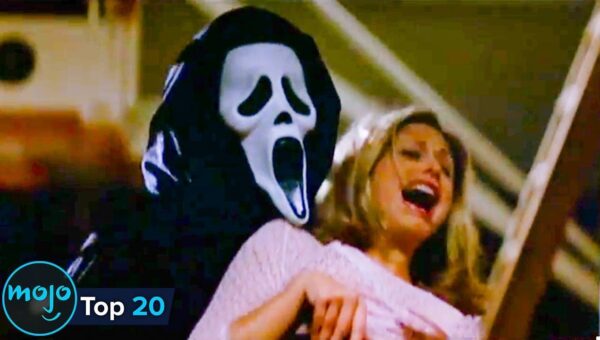
Ghostface’s Reign of Terror: The 20 Most Brutal Scream Kills
Ghostface's legacy of terror is cemented with some of the most brutal kills in horror history. From the iconic opening of the original 'Scream' to the latest installment, WatchMojo ranks the 20 most gruesome deaths inflicted by the masked killer. Prepare for a deep dive into the bloodiest moments of the franchise.

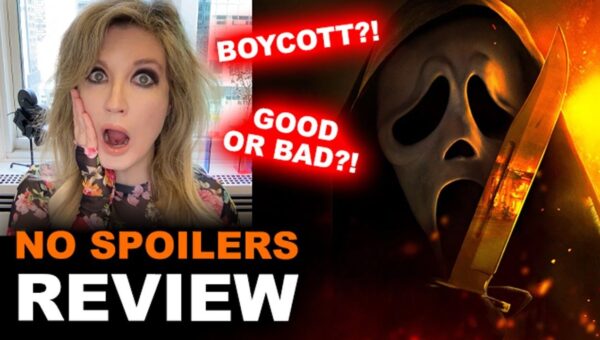
Scream 7: A Meta Masterpiece or a Stab at Mediocrity?
Scream 7 delivers meta-commentary and brutal kills but struggles with character development and a weak third act. Despite behind-the-scenes drama, the film offers timely themes and tension, though some critics find it more 'Stab' than 'Scream'.
Scream 7 Falters: AI Twists and Franchise Fatigue
Scream 7 attempts to revive the franchise with an AI-driven plot and the return of Sidney Prescott, but a tumultuous production and a divisive narrative have left fans questioning the series' future. The film's reliance on digital trickery and weak motivations has led to widespread criticism, with many feeling the franchise has lost its edge.