Hormuz Strait Tensions Rise; US Forces Remain
The Strait of Hormuz faces access restrictions as Iran plans to limit daily vessel passage and impose tolls. U.S. forces remain in the Middle East amid deepening geopolitical tensions. This situation raises concerns about global oil supply and market stability.


Hormuz Strait Access Tightens Amid Geopolitical Tensions
The vital Strait of Hormuz, a key global shipping route, is facing significant access restrictions as geopolitical tensions deepen in the Middle East. U.S. Central Command has stated that American forces will remain in the region for the time being, underscoring the seriousness of the situation.
Iran’s Restrictions Spark Market Uncertainty
Reports indicate that Iran has effectively declared the Strait of Hormuz closed for all practical purposes. This assertion comes despite official statements from the Pentagon and the White House claiming the Strait remains open. However, private communications suggest a different reality on the ground.
Typically, more than 130 vessels, including six aircraft carriers and two oil tankers, traverse the Strait of Hormuz daily. Iran now claims it will only permit 15 vessels to pass each day. This drastic reduction in traffic raises concerns about global oil supply and prices.
A Costly Passage
Iran’s Foreign Minister has indicated that passage through the Strait will come at a cost. The Strait will reportedly remain closed as long as Israel continues its strikes in Lebanon. Iran demands the United States withdraw its forces from the region before it will ensure safe passage for vessels.
There appears to be confusion surrounding whether Israel’s actions against Iranian proxies violate a recent cease-fire agreement. Pakistani mediators believe these strikes do jeopardize the cease-fire. This leverage was a significant factor during cease-fire talks held on Saturday.
Potential Tolls and Joint Ventures
Iran is also seeking to impose a toll on vessels passing through the Strait. The proposed fee is $1 per barrel of oil. Given that a typical oil tanker carries 2 million barrels, this could amount to $2 million per tanker.
Reports suggest the possibility of a joint venture to collect these tolls. However, there is no current indication that Iran has agreed to such an arrangement. The lack of direct, face-to-face negotiations between the involved parties seems to be a primary cause of the ongoing misunderstandings.
Market Impact and Investor Considerations
What Investors Should Know
The Strait of Hormuz is a critical chokepoint for global oil shipments. Approximately 20% of the world’s total oil consumption passes through this narrow waterway each day. Any disruption to this flow can have immediate and significant impacts on crude oil prices and energy markets worldwide.
Restrictions or closures, even partial ones, can lead to increased shipping costs and longer transit times. This can translate into higher fuel prices for consumers and businesses. The uncertainty surrounding the situation could also lead to increased volatility in financial markets, particularly in energy stocks and related commodities.
Short-Term Implications
In the short term, traders and investors will be closely watching for any further escalation or de-escalation of tensions. News related to military movements, diplomatic efforts, or official statements from Iran, the U.S., or Israel will likely cause price swings in oil futures and energy company stocks. The potential for increased oil prices could also impact inflation expectations and consumer spending.
Long-Term Implications
Over the long term, persistent instability in the Strait of Hormuz could accelerate efforts by nations to diversify their energy sources and supply routes. This might involve increased investment in alternative energy technologies or the development of new pipelines and shipping lanes. Companies involved in the energy sector, shipping, and logistics will need to adapt to a potentially more complex and unpredictable operating environment.
The situation highlights the fragility of global energy security and the interconnectedness of geopolitical events with financial markets. Investors should remain informed about developments in the region and consider how potential supply disruptions might affect their portfolios, particularly those with significant exposure to energy-related assets.
Source: US forces to REMAIN as tensions over Hormuz access DEEPEN (YouTube)

Related Articles


China’s Quiet Grip on South Korea Grows
China's influence is quietly growing within South Korea, affecting real estate, media, and online discourse. With a large Chinese population and increasing economic ties, concerns are rising about Beijing shaping decisions from within. This complex situation challenges South Korea's sovereignty and could impact regional stability.


Machete Attack at Grand Central Leaves 3 Injured
A man wielding a machete randomly attacked three people at Grand Central Station in New York City on Saturday morning. Police confronted the suspect, leading to an officer-involved shooting. The victims are in stable condition, and authorities are increasing transparency with body camera footage release.

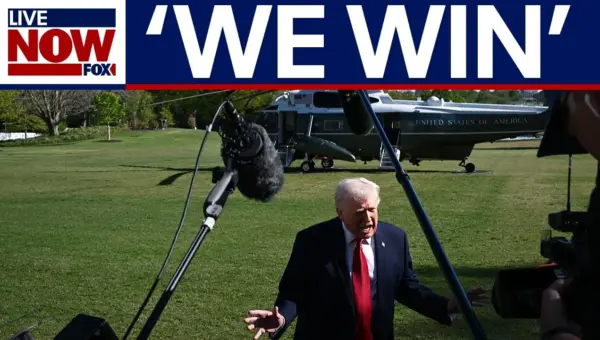
Trump: Iran Deal Outcome ‘Doesn’t Matter’ as U.S. Claims Victory
President Donald Trump declared that ongoing negotiations with Iran are irrelevant, as he believes the U.S. has already achieved a decisive victory. He highlighted extensive military gains, including the sinking of nearly all of Iran's naval vessels and a positive outlook on U.S. energy exports.