Hormuz Strait Tensions Push Oil Prices Near $100
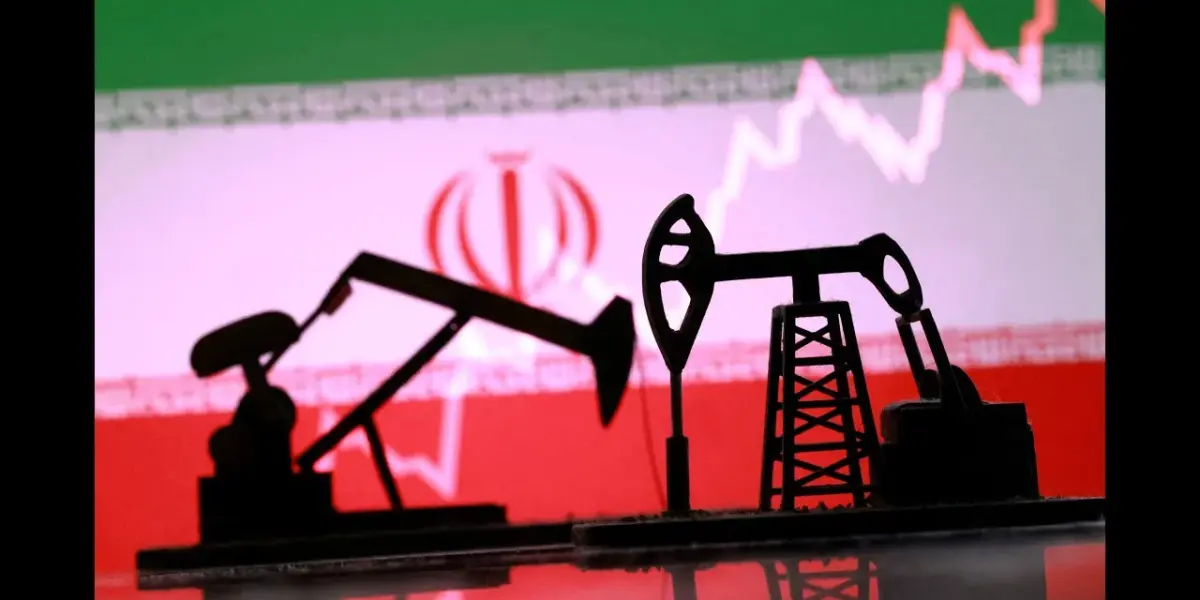
Oil prices are nearing $100 a barrel due to heightened concerns over the Strait of Hormuz, a critical global shipping lane. Ship tracking data shows fewer vessels transiting the strait, despite official statements that it remains open, creating market uncertainty and price volatility.

Hormuz Strait Tensions Push Oil Prices Near $100
Oil prices are climbing again, with prices for a barrel of crude oil inching closer to the $100 mark. This rise is happening because of worries about potential supply disruptions in a key global shipping route. Markets showed some mixed signals, with stock markets like the S&P 500 and the Dow Jones Industrial Average seeing small drops in early trading.
However, the oil market itself was much more active. US benchmark crude oil jumped by 6%, pushing its price just over $100 a barrel. At the same time, international Brent crude oil also saw a significant increase, rising nearly 4% to trade at $98 per barrel. These price jumps reflect growing concerns about the stability of oil supplies.
Concerns Over the Strait of Hormuz
The main reason for this increased volatility is the situation surrounding the Strait of Hormuz. This narrow waterway is incredibly important for the global oil trade. A large portion of the world’s oil is shipped through this strait every day. Any problems or threats in this area can quickly affect oil prices worldwide.
Recent data from ship-tracking services shows a noticeable slowdown in the number of vessels passing through the Strait of Hormuz over the past 24 hours. This decrease in traffic is happening even though Iran has publicly stated that the strait remains open for shipping. The difference between what Iran says and what the tracking data shows is creating uncertainty and worry among traders and governments.
Why This Matters
The Strait of Hormuz acts like a critical bottleneck for oil. Imagine a highway that most of the country’s trucks must use to deliver goods. If that highway has problems, like a major accident or a roadblock, it stops the flow of those goods. This is similar to what happens with oil and the Strait of Hormuz. Any disruption here means less oil reaches the global market. This scarcity directly leads to higher prices for gasoline at the pump and impacts the cost of many other products that rely on oil for transportation or manufacturing.
Historical Context and Background
The Strait of Hormuz has a long history of being a point of tension. It lies between Iran and Oman, with Iran controlling a significant portion of its northern coast. Because of its strategic location, it has often been a place where geopolitical disagreements play out. In the past, there have been incidents involving naval forces, threats of closure, and increased military activity in the region. These historical events have taught the market to be very sensitive to any news coming from this vital waterway.
The current situation is adding to this long-standing concern. Traders and analysts are closely watching for any signs of escalation. They remember past periods when tensions in the Strait led to significant spikes in oil prices, causing economic strain globally. This historical awareness makes market participants react quickly to any perceived threat.
Implications, Trends, and Future Outlook
The current rise in oil prices, driven by concerns over the Strait of Hormuz, highlights a few important trends. Firstly, it shows how vulnerable global energy markets are to geopolitical instability. Even the suggestion of a supply problem can cause prices to jump. Secondly, it underscores the continued importance of oil as a global commodity, despite efforts to move towards renewable energy sources.
Looking ahead, the situation remains uncertain. If tensions continue or escalate, oil prices could climb higher, potentially impacting global economic growth. Countries that are major oil importers will be watching closely, as higher energy costs can lead to inflation and slower economic activity. On the other hand, if the situation de-escalates and shipping traffic returns to normal, prices could stabilize or even fall.
The long-term trend might involve more efforts to diversify energy sources and shipping routes to reduce reliance on chokepoints like the Strait of Hormuz. However, such changes take time and significant investment. For now, the market will likely remain sensitive to developments in the Persian Gulf region.
Source: Oil Rises as Hormuz Strait Concerns Keep Supply Risks Elevated (YouTube)

Related Articles


US Warships Challenge Iran in Hormuz Strait
U.S. Navy ships entered the Strait of Hormuz amid stalled Iran negotiations, conducting mine-clearing operations. Iran's threat to sink the vessels went unanswered, but diplomatic talks remain deadlocked over control of the vital waterway and other demands, complicating regional stability.
Trump Vows to Clear Strait of Hormuz, Cites Oil Shipments to US
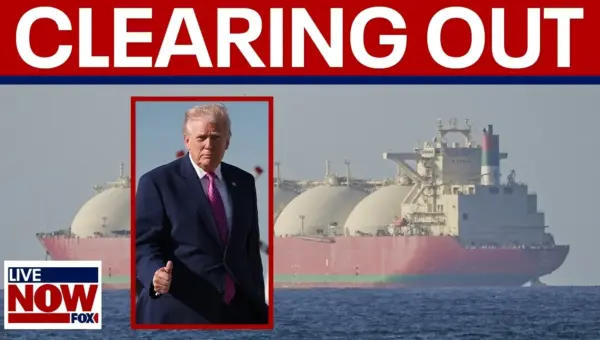
Former President Donald Trump announced the U.S. is clearing the Strait of Hormuz, citing a need to help allied nations and noting oil ships are heading to the U.S. This comes as peace talks involving Vice President JD Vance are underway in Pakistan.


US Faces Global Backlash Over ‘Imperial Overreach’
Growing criticism suggests the United States is overextending its global power, alienating allies and citizens alike. This analysis explores the perceived shift from a republic to an empire, the internal debates on patriotism, and the manipulation of fear and beliefs. The piece emphasizes the importance of democratic participation as a means to reclaim the nation's founding ideals.