Hormuz Strait Remains Closed Despite Iran-US Ceasefire
A reported ceasefire between the U.S. and Iran aimed to reopen the Strait of Hormuz, but a dispute over tolls and the ongoing conflict between Israel and Hezbollah have kept the vital waterway effectively closed. Iran's demands and internal divisions further complicate the situation for global shipping.

Hormuz Strait Remains Closed Despite Iran-US Ceasefire
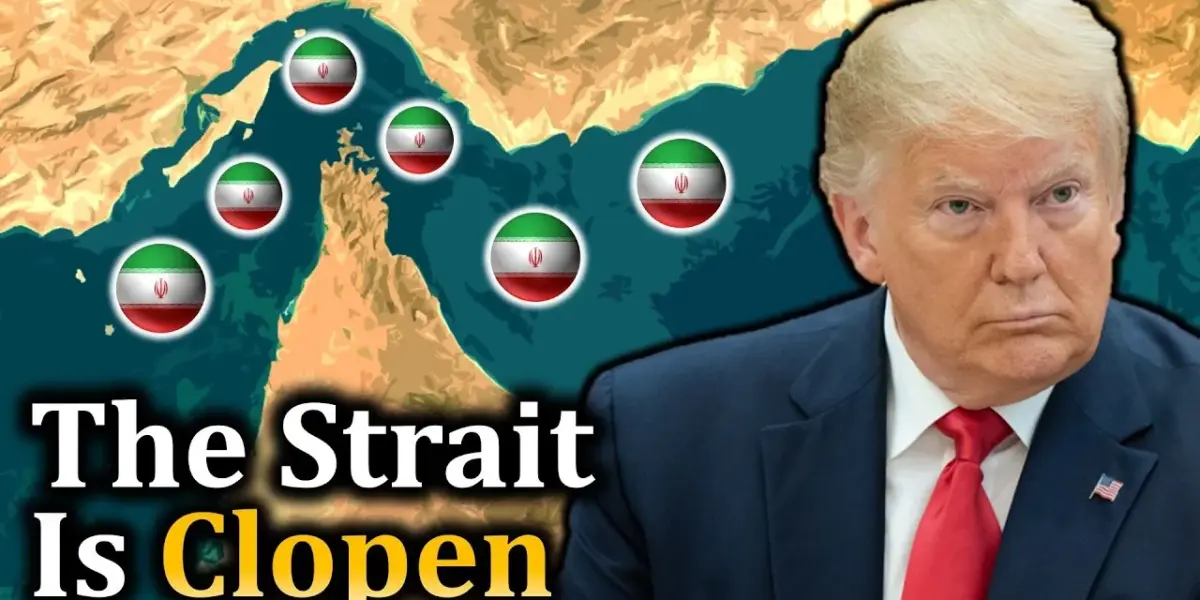
A reported ceasefire between the United States and Iran, intended to reopen the vital Strait of Hormuz, has failed to achieve its primary goal. The agreement, announced Tuesday, aimed to halt U.S. bombings of Iran and stop Iran’s drone and missile attacks on U.S. partners. Crucially, Iran was expected to reopen the Strait of Hormuz, a critical chokepoint for global oil shipments. However, Iran’s interpretation of an “open” strait included coordination with its armed forces and consideration of “technical limitations,” which appeared to involve a requirement for tolls, possibly paid in Yuan or cryptocurrency. This interpretation led Iran to declare the Strait closed again the following day, undermining the core of the supposed agreement.
The impact on maritime traffic has been stark. Only a handful of ships transited the Strait on Wednesday and Thursday, with numbers expected to remain low. This situation unfolds as negotiations between Iran and the United States are set to take place in Pakistan. The central question remains: why has a ceasefire, predicated on the Strait’s reopening, not resulted in its actual opening?
Hezbollah Conflict Complicates Ceasefire
A primary obstacle to the ceasefire’s success is the ongoing conflict between Israel and Hezbollah. While the U.S.-Iran agreement was understood to cover actions involving Iran and its direct partners, Israel launched an aggressive campaign against Hezbollah shortly after the ceasefire began. Hezbollah, a proxy of Iran, had been cut off from resupply, making it a target of opportunity for Israel. Iran, however, declared that the ceasefire extended to the Lebanon theater, an interpretation reportedly shared by Pakistan. This disagreement over the scope of the ceasefire created a dispute that complicated the planned negotiations.
The lack of a clear, official document outlining the ceasefire terms has made it difficult to determine who is adhering to the agreement. This ambiguity is a poor sign for upcoming negotiations, especially since they are reportedly conditional on resolving disputes over ceasefire rules and an asset release that was not previously discussed.
Iran’s Strategy and the ‘Toll’ Demand
Beyond the immediate issue with Hezbollah, Iran appears to be employing a broader strategy of holding out for a better deal with the United States. A key demand from Iran involves reparations from the U.S. As this is unlikely to be granted, Iran has proposed charging tolls on ships transiting the Strait of Hormuz as an alternative. These tolls could represent a significant portion of Iran’s Gross Domestic Product, and if established as a new norm, would constitute a major concession from the U.S. or its allies.
This strategy, however, relies heavily on the U.S. administration’s focus on tanker traffic in the Strait. While tanker transits are a significant political issue for the U.S. administration, the tolls are primarily paid by Gulf states exporting oil. This increases their production costs, with some of that cost eventually passed on to global consumers. Since the U.S. consumes only about 20% of global oil production, the majority of the cost is socialized to other consumers worldwide. This makes the toll an inefficient form of leverage over the United States, potentially leading the U.S. to reject any deal that includes such a demand.
Internal Divisions and Shipping Concerns
Adding another layer of complexity are potential internal divisions within Iran. Reports suggest a rift between Iran’s Foreign Minister, who indicated a more constructive approach, and the military, which seemed to adopt a harder stance on Hormuz. Drones striking Saudi Arabia and the UAE shortly after the ceasefire began fueled speculation that elements within Iran were trying to undermine the agreement. This creates uncertainty for tanker captains, who must decide whether to trust that all Iranian forces will adhere to the agreed-upon terms.
The current situation also presents a peculiar dilemma for shipping companies. While the economic incentive to move valuable cargo through the Strait is high, the uncertainty surrounding the ceasefire’s longevity and the potential for renewed conflict makes companies hesitant. If a comprehensive deal is perceived to be on the horizon, one that does not involve tolls, companies might opt to wait rather than pay current fees or risk transiting in potentially unstable conditions. This hesitancy could be a result of the “half-hearted” nature of the current ceasefire, leading to fewer transits than anticipated.
Geopolitical Ramifications
The ongoing situation in the Strait of Hormuz has broader geopolitical implications. The United States faces the challenge of potentially needing to pressure Israel to de-escalate its actions against Hezbollah, a costly measure that could lead U.S. diplomats to seek greater concessions from Iran. The broader Arab partners have also shown indications of readiness to confront Iran, adding another dimension to regional dynamics.
Europe’s response is also a critical question. Many European nations were reportedly frustrated by the U.S. approach and were attempting to prevent progress in Iran. The inability of the U.S. to police the Strait while pursuing its own objectives has left European nations in a difficult position. If Iran continues to impose tolls despite a U.S. ceasefire, European countries might shift their stance, viewing Iran as the unreasonable actor. This could put political pressure directly on Tehran. The U.S. administration, meanwhile, might leverage the threat of withdrawal from the region to encourage European assistance or concessions.
Looking Ahead
The path forward remains uncertain. While a ceasefire was announced, its effective implementation has been hampered by the conflict in Lebanon and Iran’s strategic demands. The reluctance of tankers to transit the Strait, driven by safety concerns and the hope for a better deal, further complicates the situation. Historically, moving from a ceasefire to a final settlement can take months, suggesting that a full return to normal traffic in the Strait of Hormuz may be a long way off.
The current situation highlights the complex interplay of geopolitical interests, regional conflicts, and economic pressures. The failure to fully reopen the Strait of Hormuz, despite a declared ceasefire, underscores the deep-seated issues that require resolution for stability in this critical maritime domain.
Source: There’s a Ceasefire. So Why Isn’t the Strait of Hormuz Open? (YouTube)

Related Articles

US Warship Tests Iran’s Resolve in Key Strait
A U.S. Navy warship's uncoordinated transit through the Strait of Hormuz is seen as a U.S. display of strength amid ongoing Iran-U.S. talks. Iran claims the ship was forced back, while U.S. officials assert freedom of navigation. This event, alongside Iran's list of non-negotiable demands, signals a complex negotiation landscape with high stakes for regional stability.

US-Iran Peace Talks Hit Major Roadblocks in Islamabad
High-level peace talks between the United States and Iran have commenced in Islamabad, Pakistan, but face significant obstacles. Preconditions set by Iran, including an immediate ceasefire between Hezbollah and Israel and sanctions relief, threaten to derail the negotiations. Key sticking points include Iran's nuclear program and control over the Strait of Hormuz, with both sides claiming advantage.

Iran Talks Stall Amid Lebanon Strikes, Strait of Hormuz Tensions
High-level U.S.-Iran talks are underway but face major hurdles, including ongoing Israeli strikes in Lebanon and lingering disputes over the Strait of Hormuz. Iran demands asset unfreezing and a Lebanon ceasefire, while the U.S. focuses on securing vital shipping lanes.