Hormuz Strait Crisis: US Defense Secretary Downplays Global Fears
U.S. Defense Secretary Pete Hegseth downplayed global fears over the Strait of Hormuz, asserting energy flow would be maintained. However, market reactions and expert analysis suggest inadequate U.S. preparedness for Iran's disruptive tactics, while critical questions about Iran's nuclear program remain unanswered.

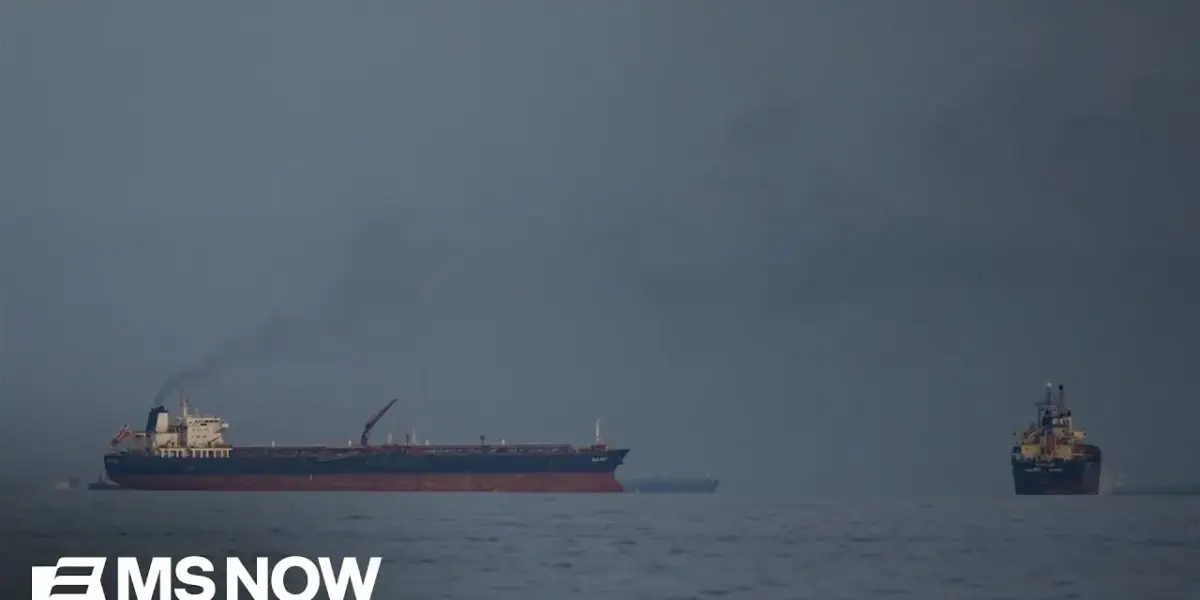
US Defense Secretary Downplays Hormuz Strait Concerns Amidst Global Worry
In a recent press briefing, U.S. Defense Secretary Pete Hegseth presented a starkly contrasting view to global anxieties surrounding the Strait of Hormuz, a critical chokepoint for global energy supplies. While international markets and geopolitical observers express significant concern over potential disruptions, Hegseth asserted that the situation is manageable and that the United States will ensure the strait remains open for energy flow. This stance, however, has been met with skepticism, particularly in light of market reactions and expert analyses suggesting a lack of adequate U.S. preparedness.
Contradictory Signals on Strait of Hormuz Security
The core of the discussion revolved around the security of the Strait of Hormuz and the implications for global oil markets. Secretary Hegseth stated, “We’re not going to allow the Strait of Hormuz to remain closed, we’re going to get the energy flowing.” However, the practicalities of achieving this objective remain unclear. Hegseth suggested that one of the administration’s objectives is the complete destruction of Iran’s navy, believing this would open the strait. He also appeared to downplay the impact of recent disruptions, noting that ships have continued to transit, albeit carrying oil primarily to China, not the wider global market.
This assessment directly contradicts the sentiment in the oil markets, which have seen significant price increases, with the Wall Street Journal reporting the largest one-day rise in oil prices since 2022, reaching $100 per barrel. Experts and former naval officers, cited in reports, suggest that the White House did not conduct sufficient planning for Iran’s actions in the Strait of Hormuz, which they believe were anticipatable. The current naval presence, consisting of two carriers and a dozen supporting ships in the Arabian Sea, is deemed insufficient to counter Iran’s multi-layered defensive capabilities, which include surface-to-surface missiles and drones.
Media Criticism and Focus on Perceptions
The briefing itself was marked by Secretary Hegseth’s sharp criticism of the media, which he accused of misrepresenting the conflict’s scope. He suggested that CNN would improve under new management and preemptively criticized cable news banners. This focus on media perception stood in contrast to the expected factual updates on the war. General Dan, Chairman of the Joint Chiefs of Staff, immediately addressed the deaths of four American service members in a refueling plane crash in Western Iraq, a somber acknowledgment that took a backseat in Hegseth’s remarks.
The secretary’s prolonged critique of media coverage and his apparent concern with how the war is being perceived, rather than solely focusing on operational details, has led to questions about his priorities. This was further highlighted when discussing the conflict’s escalation, with Hegseth acknowledging a record number of air strikes, up 20% according to his assessment, while simultaneously complaining that the media was exaggerating the war’s expansion. This was characterized as the “very definition of a conflict growing.”
Unanswered Questions on Iran’s Nuclear Program
Beyond the Strait of Hormuz, the briefing also touched upon Iran’s nuclear ambitions. A reporter from the Wall Street Journal questioned the administration’s plan to prevent Iran from acquiring nuclear weapons, specifically asking about securing Iran’s enriched uranium stockpile. Secretary Hegseth reportedly had no answer to this critical question. This lack of a clear strategy regarding Iran’s nuclear program is particularly concerning given reports from Israel, where there is a strong desire to address Iran’s nearly 1,000 pounds of enriched uranium, either through regime change or direct intervention.
The situation is further complicated by reports, though unconfirmed, of the new Supreme Leader of Iran being gravely wounded or even disfigured following an attack. While the regime remains in place with hardliners dictating policy, the absence of the Supreme Leader from public view and the nature of his recent communication—a written message—have raised questions about his current authority and the stability within Iran.
Economic Impact and Geopolitical Ramifications
The disruption in the Strait of Hormuz represents the largest disruption to the global oil market in history. The failure of the White House and the Department of Defense to adequately plan for such an event, despite years of criticism regarding the navy’s mine-clearing capabilities, has significant economic repercussions. The Energy Secretary’s earlier statement about expecting escorts by next month implies at least another two weeks of restricted oil flow to the world market, exacerbating the current energy crisis.
While Secretary Hegseth may express confidence, the global community, including the oil markets and consumers facing higher gasoline prices, remains “extraordinarily worried.” The lack of a clear plan to secure Iran’s nuclear material and the insufficient measures to ensure safe passage through the Strait of Hormuz present a complex and potentially volatile geopolitical challenge that the administration appears ill-prepared to address comprehensively.
Looking Ahead
The coming weeks will be critical in determining the trajectory of the Hormuz Strait crisis and its impact on global energy security. Attention will be focused on whether the U.S. can effectively implement measures to ensure safe passage for oil tankers, the potential response from Iran, and the broader implications for international relations. Furthermore, the administration’s strategy, or lack thereof, regarding Iran’s nuclear program will undoubtedly remain a central concern for global security stakeholders.
Source: 'The world is extraordinarily worried' about the Strait of Hormuz even as Hegseth says don't worry (YouTube)

Related Articles

Pentagon Chief Blocks Black, Female Officers’ Promotions
Pentagon chief Pete Hegseth is reportedly blocking the promotions of four Army officers, two Black and two women, to one-star general. This decision follows reports of alleged discriminatory remarks made by a top aide to Secretary Hegseth regarding President Trump's comfort standing with Black female officers.

G7 Allies Clash Over Iran War Strategy, Urge Focus on Russia
G7 foreign ministers met in Paris, revealing deep divisions over the U.S. war with Iran. European allies urged the U.S. to pressure Russia, linking its actions to the conflict and fearing support for Ukraine will wane.

Iran Blocks China Ships, Exposing Beijing’s Weak Grip
Iran's recent decision to block Chinese ships at the Strait of Hormuz is exposing the limits of Beijing's influence in the Middle East. This action is causing delays and cancellations for Chinese manufacturers, turning a perceived geopolitical win into an economic strain.