Hormuz Closure Sparks Global Energy Shockwaves
The Strait of Hormuz closure is triggering significant global energy price increases, prompting the largest-ever release of strategic oil reserves. Experts warn of prolonged disruption and geopolitical shifts benefiting Russia.

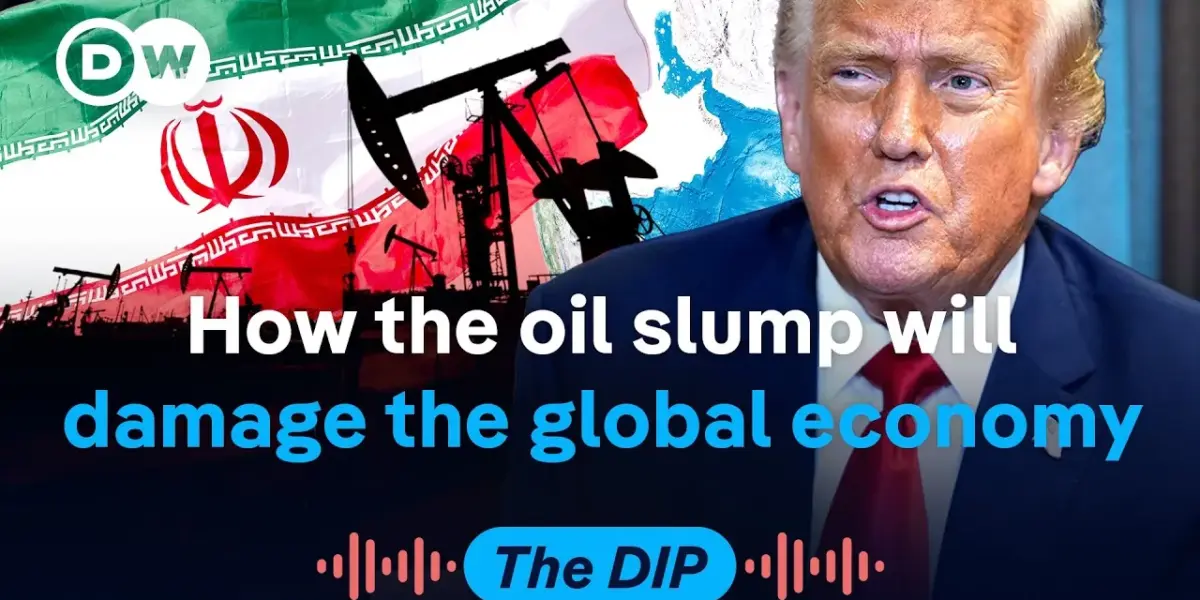
Global Oil Reserves Tapped Amid Hormuz Strait Crisis
In a move unprecedented in scale, the International Energy Agency (IEA) has coordinated a release of 400 million barrels of oil from its member nations’ strategic reserves. This significant intervention aims to counteract soaring global energy prices, a direct consequence of the ongoing conflict impacting the Strait of Hormuz, a critical chokepoint for global oil and LNG trade.
The decision to tap into these reserves, the largest coordinated release ever, underscores the severity of the supply disruptions. While the immediate impact on prices has been debated, with some analyses suggesting it was necessary to prevent panic and stabilize markets, the underlying tension remains high.
Strait of Hormuz Closure: A Looming Economic Threat
The potential closure of the Strait of Hormuz, a narrow waterway through which approximately 400 million barrels of oil pass daily, has been a long-standing concern for decades. The current geopolitical situation has brought this threat to the forefront, with limited apparent contingency plans from key players like the US and Israel.
“There is enormous potential for significant disruption and therefore significant price increases as a result,” noted one analysis, highlighting how the choke point has merely shifted from one part of the global economy to another. The situation is exacerbated by the fact that alternative exit pipelines, such as the one from Saudi Arabia, do not fully compensate for the potential loss of supply through Hormuz, especially when considering refined oil products are often included in media figures.
Why the Massive Reserve Release?
The IEA’s decision to release such a substantial volume of oil is driven by multiple factors. Primarily, no nation desires high oil prices, which fuel inflation, necessitate higher interest rates, slow economic growth, and severely impact oil-dependent economies.
Beyond immediate economic concerns, the move also addresses the precarious balance between a robust global economy and highly exuberant financial markets. “Into this gap between a very exuberant financial market and a wellperforming economy, it comes the hit of very high oil prices, a situation apparently out of control,” one expert observed. The release is intended to bring oil prices down and mitigate the inflationary pressures they create.
Mechanism of Reserve Release and Market Impact
The process of releasing oil from strategic reserves is not instantaneous. “It’s not that it is dumped on the market somewhere,” explained an analyst. The collective decision by member states is followed by individual implementation, with each nation determining the release volume. The actual market integration depends on demand, as governments cannot force purchases.
“The extent to which those 400 barrels are actually incorporate into the market depend on the market situation and right now we have no shortages we no cues in front of gas stations,” the analysis continued. This suggests that while the reserves are made available, their immediate impact on supply and prices is contingent on market conditions and the duration of the actual disruption.
The effectiveness of the reserve release has been questioned, particularly as oil prices initially spiked above $100 a barrel following the announcement. The core issue remains the free passage through the Strait of Hormuz. “The longer that is not the case, the more the risk increases, that ships are set on fire, that physical damage in the oil fields occurs,” warned an observer, emphasizing the potential for escalating physical damage and prolonged trade disruptions.
Broader Implications: LNG and Geopolitical Chess
The disruption at the Strait of Hormuz extends beyond crude oil, significantly impacting liquefied natural gas (LNG) exports. Approximately a quarter of the world’s LNG passes through this vital waterway, with Qatar alone accounting for about 20% of global LNG production.
This has direct consequences for energy-importing nations, particularly in Asia. Countries like South Korea and Japan, heavily reliant on gas for power generation and industrial production (including chip manufacturing), face increased costs. Developing nations such as Pakistan and Bangladesh are also vulnerable to the knock-on effects of higher energy prices.
The situation also presents a geopolitical advantage for Russia. “If there is one winner at all of this current situation, it’s the Kremlin,” stated an analyst. The conflict has driven up oil prices, benefiting Russia at a time when its revenues were reportedly declining due to falling prices and tightened sanctions. The increased demand from nations seeking alternative supplies, even with discounts, boosts Russian income and its capacity to fund its war machine.
Economic Outlook: US, EU, and China
While the macroeconomic impact so far has been “surprisingly limited” compared to the 2022 energy crisis, the potential for disruption remains significant. Experts have modeled scenarios reaching oil prices of $150 per barrel and similar increases in natural gas prices.
The European Union, despite reorienting its energy supply chains post-Ukraine invasion, is not entirely insulated. The duration of the current supply disruption remains uncertain, and Europe’s continued dependence on imported gas, even from diversified sources, leaves it susceptible to global price pressures.
China, while appearing exposed due to its energy deficit, possesses certain mitigating factors. Its lower energy intensity for GDP, a significant shift towards green energy and electric vehicles, and substantial energy stockpiles offer some insulation. However, prolonged disruptions could still derail its economic plans.
The United States, having transitioned to a net energy exporter thanks to shale oil and gas development, is less exposed in aggregate. However, American households are already feeling the pinch of higher global oil prices at the pump, indicating distributional effects within the economy.
Signals to Watch
In the coming days, observers will be closely monitoring several key signals. These include the market’s response to the reserve releases, the actual duration of the Strait of Hormuz closure, and any signs of de-escalation or military intervention to secure passage. Furthermore, political statements indicating potential negotiations or ceasefires will be crucial indicators of future stability. The world watches, hoping for a swift resolution to prevent a prolonged and damaging global energy crisis.
Source: The cost-of-living shock if the Hormuz stays shut | The Dip Podcast (YouTube)

Related Articles


Trump’s War Talk Distracts as World Burns
As global conflicts escalate and economic pressures mount, Donald Trump's focus on past grievances and symbolic wins overshadows pressing issues. His rhetoric, including questionable claims about ending wars and strategic use of terminology to bypass Congress, raises concerns about leadership and national priorities.


Iran Extends Strait of Hormuz Deadline Amid Global Oil Tensions
The U.S. has granted Iran a 10-day extension to reopen the Strait of Hormuz, a critical global oil route. This move comes amid complex negotiations, military actions, and concerns over Iran's strategic leverage and resilience. Lawmakers express frustration over the lack of a clear strategy and potential escalation.


Iran Tensions Rise, Airport Chaos Looms
Global tensions escalate as Iran war concerns impact oil prices and stock markets. Simultaneously, a potential end to the TSA worker pay crisis is in sight with a presidential order. In personal news, Savannah Guthrie shares new details about her mother's kidnapping, while the family of an Idaho murder victim champions a new law protecting victims' privacy. Finally, Nicolas Maduro challenges his indictment in a New York court over legal fees.