Home Chemotherapy Offers New Hope for Patients
A new study from the Mayo Clinic suggests chemotherapy could be safely administered at home, reducing physical, emotional, and financial burdens for patients. This approach leverages telehealth and home nursing to bring vital treatments closer to patients, potentially reshaping cancer care delivery worldwide.

Home Chemotherapy Offers New Hope for Patients
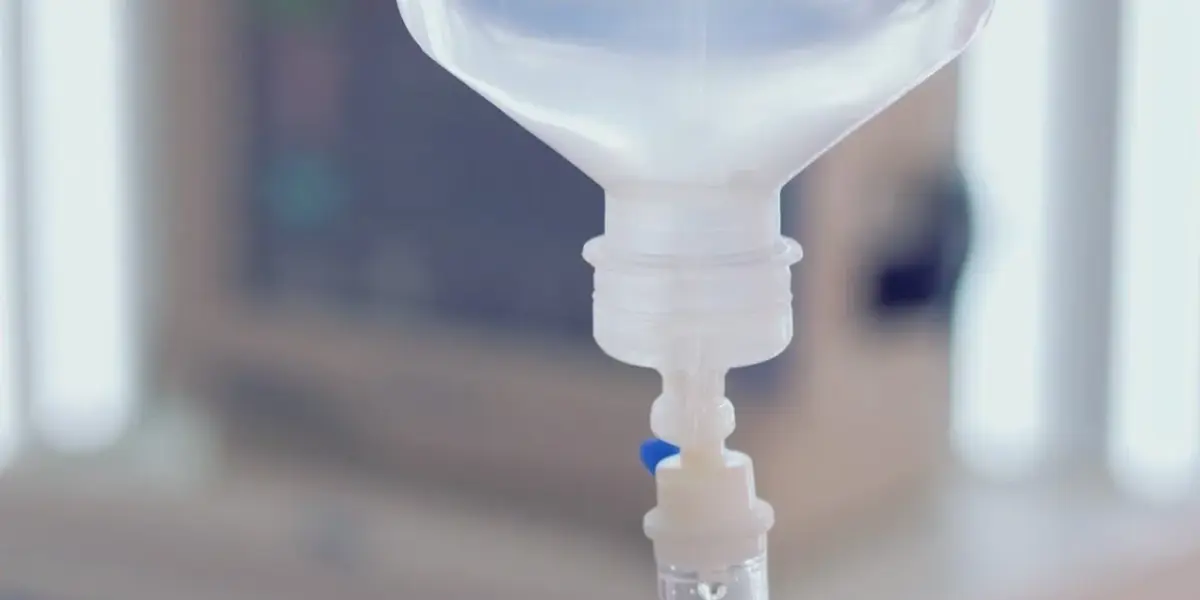
A new study suggests that chemotherapy, a vital cancer treatment, could be given at home. This could greatly reduce the stress, cost, and physical toll on patients. The Mayo Clinic led this research. It found that many patients might benefit from receiving treatment in their own homes instead of spending long hours at hospitals.
Shifting Towards Home-Based Care
Every year, about a million people in the United States get chemotherapy. This treatment often requires patients to spend many hours at treatment centers, connected to an IV drip. Dr. Thomas Marin, a medical oncologist, supports this shift. He notes that the COVID-19 pandemic accelerated the move towards remote care. We now see more video visits and at-home blood draws. Bringing safer therapies into patients’ homes could be a major improvement.
Study Findings and Patient Benefits
The study, though small, indicates that most chemotherapy drugs can be safely administered at home. While some complex drugs with high risks of allergic reactions may still need hospital settings, many others are suitable for home use. This is especially true for treatments for gastrointestinal cancers. These treatments can be very difficult for patients. Often, they involve carrying a pump with medicine for a couple of days. Then, they must return to the hospital to have it removed. Doing this every two weeks takes up a lot of time and energy.
How Home Chemotherapy Works
In the study’s setup, a nurse or medical professional visits the patient’s home. They draw blood a few days before the treatment. After reviewing the results, the doctor has a video visit with the patient. Then, a nurse comes to the home to administer the IV chemotherapy. For some newer treatments, like certain immunotherapies, injectable forms are now available. These can be given instead of IVs. Dr. Marin hopes that within five to ten years, patients might even be able to give themselves these injections, similar to how people manage insulin or other medications at home.
Addressing Cost and Accessibility Concerns
A key question is the cost of this home-based care. Bringing medicine, equipment, and staff to a patient’s home could be expensive. However, Dr. Marin points out another problem: cancer centers are often overcrowded. There aren’t enough doctors or space to treat all patients. As the population ages, this problem will likely worsen. Therefore, investing in training nurses for home administration is necessary. The feasibility for most cancer patients will also depend on insurance coverage. The study was a pilot with only ten participants. Larger clinical trials are needed to confirm these findings and explore the practical aspects.
Global Impact
This development could reshape cancer care worldwide. It offers a more patient-centered approach. By reducing the need for hospital visits, it frees up valuable hospital resources. This is crucial in areas with limited medical infrastructure. Patients gain more time with their families. They also experience less physical and emotional strain. The potential for cost savings, both for patients and healthcare systems, is significant. Wider adoption would require new training programs for healthcare professionals and updated insurance policies. It represents a move towards decentralized, accessible healthcare solutions.
Historical Context
The idea of bringing medical care closer to home is not new. Throughout history, home visits by doctors and nurses were common before the rise of large hospitals. Modern advancements in telehealth and medical technology are now making these older models more practical and efficient. The COVID-19 pandemic served as a catalyst, proving that many medical services can be delivered remotely. This study builds on that momentum, applying it to a critical area like cancer treatment. It follows similar research conducted in Europe, suggesting a growing international trend.
Economic Considerations
The economic implications are complex. While home care might reduce hospital overhead, it introduces new costs for specialized nursing services and logistics. However, the indirect economic benefits for patients are substantial. Less time off work for treatment, reduced travel expenses, and improved quality of life can all contribute to a patient’s overall well-being and economic stability. Insurance companies will play a critical role in determining affordability and accessibility. Their willingness to cover these services will be a major factor in the success of home chemotherapy programs.
Future Scenarios
One possible future is that home chemotherapy becomes a standard option for many patients with treatable cancers. This would require significant investment in training and infrastructure. Another scenario is that it remains a niche service, available only to those with specific insurance or for certain types of treatment. A third possibility is that technology advances further, allowing for even more self-administration, reducing the need for frequent nurse visits. The success of larger clinical trials and the response from healthcare providers and insurers will shape which path is taken.
Source: Study looks at positive impacts of chemotherapy at home | Morning in America (YouTube)

Related Articles

Home Chemotherapy Offers Hope, Faces Cost Hurdles
A new study indicates that chemotherapy can be safely administered at home, offering relief to cancer patients. While oncologists support the idea, concerns about cost, accessibility, and the need for trained staff remain significant challenges.


Widow Fights for Insurance Law Change, Governor Signs Bill
A West Virginia widow successfully advocated for a new law ensuring patients can access recommended alternative medical treatments after her husband's death due to insurance delays. Governor Jim Justice signed the bill, citing common sense and compassion.


Parasite Drugs Show Promise Against Cancer, Study Suggests
New research suggests that drugs developed for parasitic worms could offer a new approach to fighting cancer. These medications may disrupt cancer cells' energy production and structural integrity, while also supporting the immune system.