Hollywood Revives Smoking Coolness for Gen Z
Hollywood glamour and celebrity endorsements are making smoking appear cool again for Gen Z, despite its severe health risks. This resurgence challenges decades of tobacco control efforts, raising concerns about rising smoking rates among young adults.

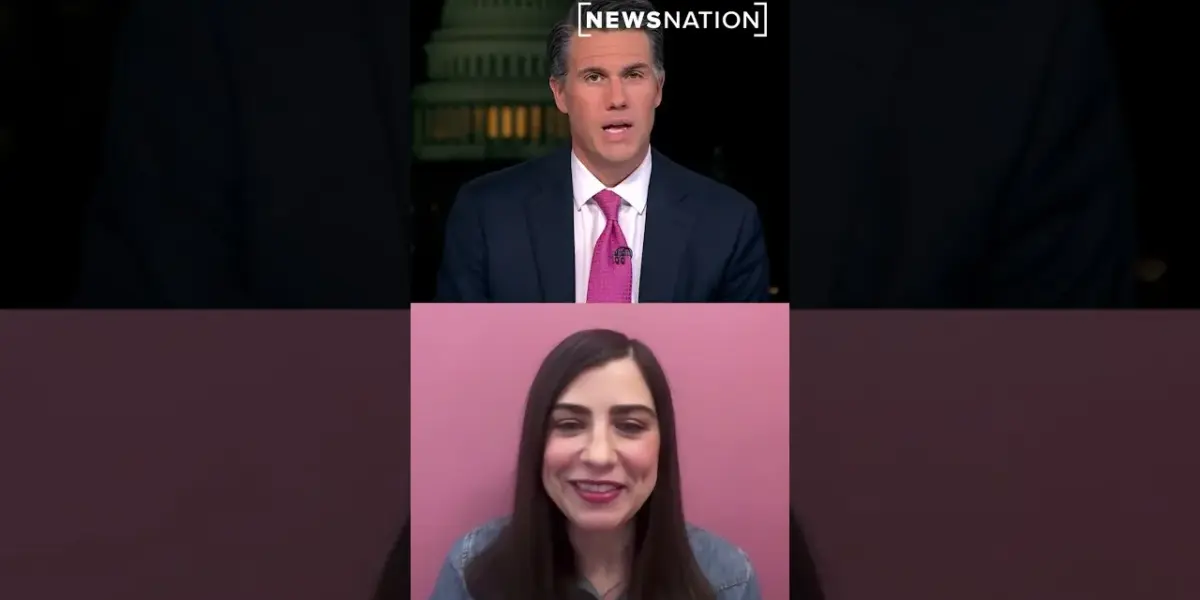
Hollywood’s Glamour Fuels Gen Z Smoking Resurgence
Smoking, long seen as a dangerous habit, is making a surprising comeback, especially among young adults. This shift is happening as TV shows and celebrities portray smoking as glamorous and cool. This trend raises concerns because tobacco remains the leading cause of preventable death and disease in the United States. Young people are starting to see smoking as acceptable again, influenced by what they see on screen and online.
Celebrity Influence and Media Portrayals
Interviews with young smokers reveal a common thread: they see celebrities and characters in popular shows smoking. This exposure makes the habit seem less risky and more appealing. Shows like “Love Story” and “Euphoria” feature characters who smoke, often depicted in a stylish or compelling way. For instance, Carolyn Bessette-Kennedy, a real person who smoked, is shown constantly smoking on a show, looking very cool. Even figures like Kylie Jenner have appeared on magazine covers, like Vanity Fair, smoking a cigarette and appearing glamorous.
Shifting Stigma and Social Acceptance
The perception of smoking is changing. While some stigma remains, it appears to be fading. This is partly because smoking is becoming more visible in media. Social media also plays a role, with influencers like Dua Lipa posting pictures of themselves smoking. This constant stream of positive or neutral imagery can erode the negative associations previously linked to smoking. The idea that smoking is a “dirty awful thing” is being replaced by an image of sophistication and rebellion.
Hollywood’s Role and Gen Z’s Choices
The question arises: who is responsible for this trend? Is it the young generation making their own choices, or is it Hollywood and media outlets for presenting smoking in a positive light? Experts suggest it’s likely a combination of both. Hollywood has immense power to influence popular culture and trends. However, individuals also bear personal responsibility for their actions and decisions. The media’s portrayal of smoking, intentional or not, significantly shapes perceptions, especially for a generation growing up with constant digital and visual stimulation.
The Health Dangers of Smoking
It is crucial to remember the serious health risks associated with smoking. Tobacco use is directly linked to numerous diseases, including cancer, heart disease, and respiratory illnesses. Despite its known dangers, the recent trend suggests that the allure of cool, celebrity-endorsed behavior is overshadowing health concerns for some young people. Public health organizations continue to fight against the normalization of smoking, emphasizing the long-term consequences for individual and public health.
Global Impact and Future Concerns
This trend, driven by media and celebrity culture, could have wider public health implications. If smoking rates rise among young people, it could reverse decades of progress in tobacco control. This is not just a U.S. issue; similar influences can be seen globally through international media. The normalization of smoking by influential figures and entertainment platforms creates a challenging environment for anti-smoking campaigns. Understanding these dynamics is key to developing effective strategies to protect public health from the resurgence of a deadly habit.
Historical Context
The portrayal of smoking in media has a long history. In the mid-20th century, movie stars often smoked on screen, helping to popularize cigarettes. Tobacco companies even sponsored major Hollywood productions. Over time, as health risks became widely known, smoking in films decreased, and anti-smoking messages grew stronger. This current trend represents a potential step backward, where glamorous portrayals are once again making smoking seem appealing, echoing past eras.
Economic Considerations
While not directly discussed in the transcript, the tobacco industry is a significant global economic force. A rise in smoking rates, particularly among young people who are new consumers, can boost industry profits. This economic incentive may subtly influence content creation or marketing strategies that, intentionally or not, make smoking appear more attractive. The long-term healthcare costs associated with increased smoking rates, however, represent a substantial economic burden on society.
Shifting Power Dynamics
The power dynamic here lies between the influence of media and celebrity culture and the efforts of public health organizations. Hollywood and social media platforms hold significant sway over the perceptions and behaviors of Gen Z. Public health advocates face the challenge of countering these powerful cultural forces with factual information about health risks. The outcome of this struggle will determine whether smoking rates continue to climb or if public health messaging prevails.
Future Scenarios
One scenario is that the trend continues, leading to a measurable increase in youth smoking rates and associated health problems. Another possibility is that public health campaigns adapt, using social media and influential figures to promote anti-smoking messages, thereby countering the current trend. A third scenario involves regulatory action, where governments might increase restrictions on smoking portrayals in media or implement stricter anti-smoking advertising policies. The likelihood of each depends on the combined efforts of public health advocates, media creators, and policymakers.
Source: TV shows may be influencing smoking's comeback: Editor (YouTube)

Related Articles

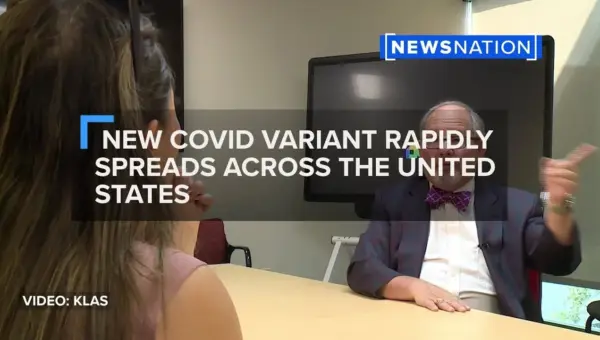
New COVID Variant Fuels Health Concerns Amid Allergy Season
A new, more contagious COVID-19 variant from the Omicron family is spreading across the U.S., detected in wastewater and potentially evading vaccines. The timing complicates symptom identification as allergy season begins, with experts advising symptom duration and accompanying fever as key differentiators.
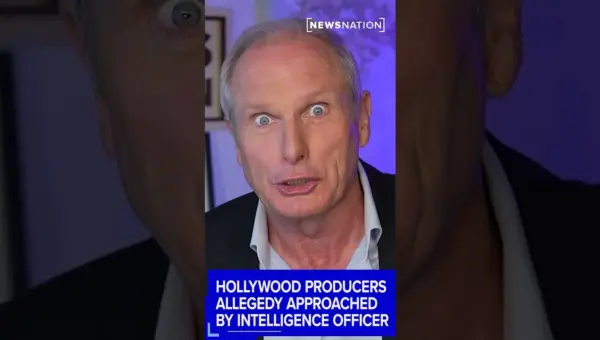
US Spy Agency Seeks Hollywood Influence
A U.S. intelligence officer reportedly offered producers inside information in exchange for specific narrative inclusions in their shows. This alleged quid pro quo, discussed in relation to the TV series 'Dark Skies,' suggests a new strategy for intelligence agencies to influence public perception through popular culture.

Vaccine Hesitancy: A Doctor’s Warning on Health Risks
A doctor warns that jokes about science and vaccines can have dangerous real-world health consequences. The rise of misinformation is linked to outbreaks of preventable diseases like measles and the rejection of essential newborn care.