Hollywood Fuels Youth Smoking Resurgence, Experts Warn
Hollywood's portrayal of smoking in popular shows and by celebrities is influencing young people to start smoking again. This trend reverses decades of public health progress and raises concerns about future health consequences.

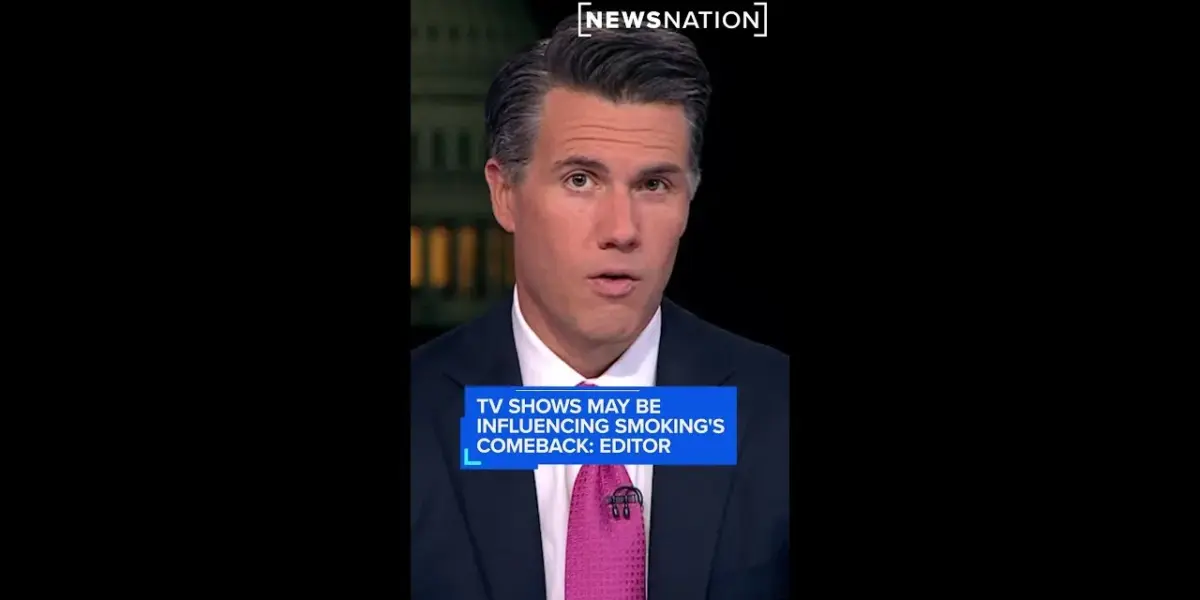
Hollywood’s Glamour Revives Smoking Trend Among Youth
Smoking, long considered a dangerous habit, appears to be making a surprising comeback, especially among young people. Reports suggest that television shows and celebrities are making smoking look cool again. This trend is raising alarms, particularly as tobacco remains the leading preventable cause of death and disease in the United States.
Gen Z and the Appeal of Smoking
Interviews with young adults in their 20s reveal that many are smoking regularly. Their reasons often include seeing young celebrities and influencers smoking. They feel that the act is being presented as fashionable and acceptable. This perception challenges decades of public health efforts to reduce smoking rates.
The Role of Media and Celebrity Endorsements
A significant factor contributing to this shift is the portrayal of smoking in popular culture. Shows like Love Story and Euphoria feature characters who smoke, often depicted as sophisticated or rebellious. The character of Carolyn Bessette-Kennedy, a real person who smoked, is shown smoking frequently on a show, adding to the perceived glamour. Celebrities such as Dua Lipa and Kylie Jenner have also posted images of themselves smoking on social media or appeared in glamorous photo shoots, like Jenner on the cover of Vanity Fair, holding a cigarette.
Shifting Stigma and Perceptions
While a stigma against smoking still exists, it seems to be weakening. The constant visibility of smoking in entertainment and by admired figures is making it less of a taboo. This normalization is a key concern for health officials. They worry that young people are adopting the habit without fully understanding or considering the severe health risks involved.
Shared Responsibility: Hollywood vs. Individuals
The question of who is most responsible for this trend is complex. While Hollywood and media outlets wield considerable influence in shaping perceptions, personal responsibility also plays a part. Young people are influenced by what they see, but they also make individual choices. Experts suggest that it is likely a combination of both factors driving the resurgence of smoking among youth.
Global Impact and Public Health Concerns
The glamorization of smoking by media giants and influential figures has far-reaching consequences. It directly counteracts public health campaigns aimed at discouraging smoking. The Centers for Disease Control and Prevention (CDC) consistently highlights the dangers of smoking, including cancer, heart disease, and respiratory illnesses. The resurgence, particularly among young adults, could lead to a new generation facing these serious health problems. This trend also poses a challenge to global efforts to reduce tobacco use, as media influence crosses borders easily.
Historical Context of Smoking Portrayals
The connection between media and smoking is not new. In the mid-20th century, Hollywood often depicted smoking as a sign of maturity, coolness, and sophistication. Movie stars were frequently shown smoking in films, which contributed significantly to the widespread adoption of smoking. Public health advocates fought for decades to change these portrayals and to educate the public about the dangers. This current trend suggests a possible regression, undoing some of the progress made through extensive anti-smoking campaigns and regulations.
Economic Factors and Industry Influence
While the transcript does not detail specific economic figures or industry actions, the tobacco industry has a long history of marketing and lobbying to maintain and expand its customer base. The resurgence of smoking among youth, if it continues, would represent a significant economic win for tobacco companies. This could lead to increased profits and a larger market share, potentially at the expense of public health. The influence of such powerful economic interests often complicates regulatory efforts and public health messaging.
Future Scenarios and Outlook
Several future scenarios are possible. If media portrayals continue to glamorize smoking, rates among young people could climb further, leading to increased long-term health costs. Alternatively, increased public awareness and targeted counter-messaging by health organizations could mitigate this influence. Stricter regulations on how smoking is depicted in media and on social media platforms could also curb the trend. The outcome will likely depend on the continued efforts of public health advocates and the willingness of media platforms and influencers to consider the impact of their content.
Source: TV shows may be influencing smoking's comeback: Editor (YouTube)

Related Articles


New COVID Variant Fuels Health Concerns Amid Allergy Season
A new, more contagious COVID-19 variant from the Omicron family is spreading across the U.S., detected in wastewater and potentially evading vaccines. The timing complicates symptom identification as allergy season begins, with experts advising symptom duration and accompanying fever as key differentiators.


US Spy Agency Seeks Hollywood Influence
A U.S. intelligence officer reportedly offered producers inside information in exchange for specific narrative inclusions in their shows. This alleged quid pro quo, discussed in relation to the TV series 'Dark Skies,' suggests a new strategy for intelligence agencies to influence public perception through popular culture.


Vaccine Hesitancy: A Doctor’s Warning on Health Risks
A doctor warns that jokes about science and vaccines can have dangerous real-world health consequences. The rise of misinformation is linked to outbreaks of preventable diseases like measles and the rejection of essential newborn care.