History Repeats Itself: 11 Disturbing Parallels We Can’t Ignore
History's echoes are loud, showing 11 disturbing parallels between past events and today's world. From pandemics and political unrest to economic bubbles and climate crises, these connections offer vital warnings we can't afford to ignore.

History’s Echoes: When Past Disasters Warn Us About Today
History has a funny way of rhyming, often in the most unsettling ways. A new video from Watch Mojo highlights 11 striking parallels between past events and current situations, showing how history repeats itself. These connections aren’t just academic; they offer crucial warnings about how we handle pandemics, political unrest, economic bubbles, and environmental crises.
From Past Pandemics to Present Fears
The COVID-19 pandemic brought back memories of another global health scare: the 1918 Spanish Flu. Back then, wartime censorship and widespread misinformation slowed down public understanding and response. The same happened with COVID-19. Conflicting information, false cures, and debates over masks and lockdowns turned public health into a political battleground. Social media amplified confusion, making it harder for people to trust reliable sources. This led to unnecessary deaths, proving that when fear meets uncertainty, misinformation thrives.
When Democracies Falter: Rome and Today
The fall of the Roman Republic offers a chilling look at how democracies can crumble from within. The Republic became too big and complex to manage, with political elites deadlocked and economic inequality growing. Violence entered politics, and strong leaders promised order. This sounds eerily familiar. Today, we see similar trends: growing polarization, distrust in institutions, and a desire for decisive leaders. Like Rome, democratic erosion doesn’t happen overnight; it’s a slow, dangerous slide.
Economic Bubbles: Tulips and Crypto
Remember Tulip Mania in the 1630s? Prices for tulip bulbs went through the roof, driven by speculation rather than actual value. When confidence broke, the market crashed, leaving many with losses. Fast forward to today, and we see a similar pattern with crypto and NFTs. Promises of financial revolution led to massive price surges based on hype and the fear of missing out. When the sentiment shifted, these markets unwound quickly, hurting many ordinary investors.
Moral Panics and Government Overreach
The Salem witch trials are a stark reminder of how fear and accusations can destroy lives. Lies were accepted as truth, and those who didn’t confess were executed. This echoes modern moral panics, from McCarthyism and the satanic panic to the fear surrounding video games, Muslims, or LGBTQ+ individuals. Fear is exploited, and suspicion often replaces proof. Similarly, the post-9/11 era saw the rise of massive government surveillance programs, justified by the need to fight terrorism. While the methods have changed, the use of fear to control populations remains a disturbing constant.
Disasters Waiting to Happen: Chernobyl and Deepwater Horizon
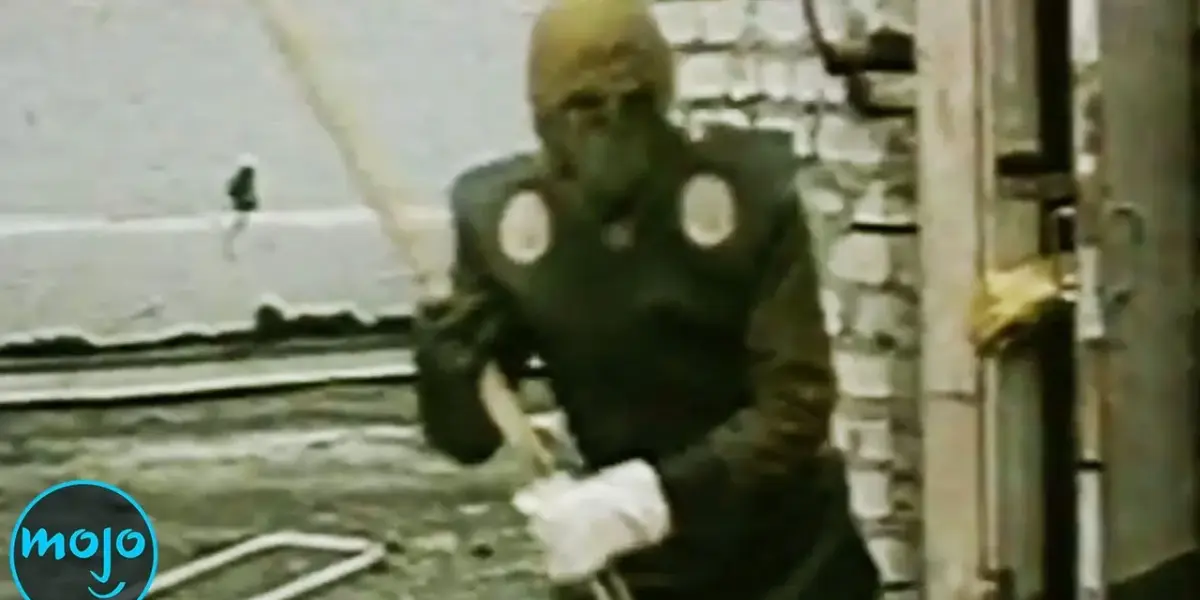
Major disasters like Chernobyl and the Fukushima nuclear meltdown, as well as the Exxon Valdez and Deepwater Horizon oil spills, share common roots: safety systems that looked good on paper but failed under pressure. In Chernobyl, a risky test with safeguards disabled led to disaster. At Fukushima, engineers underestimated a tsunami, and backup generators failed. The oil spills happened because warning signs were ignored or misinterpreted, and companies weren’t prepared for the scale of the accidents. Overconfidence and inadequate planning turned these potential accidents into long-term environmental catastrophes.
Prohibition and the War on Drugs: Unintended Consequences
Banning alcohol during Prohibition in the 1920s didn’t stop drinking; it fueled organized crime and violence. Speakeasies replaced saloons, and enforcement was a nightmare. The War on Drugs, starting in 1971, followed a similar path. Criminalization didn’t end substance use but led to more arrests and expanded illegal markets. Both campaigns significantly increased the power of the carceral state, contributing to mass incarceration and the rise of private prisons.
Climate Change: The Dust Bowl’s Modern Echo
The Dust Bowl of the 1930s, caused by severe drought and poor farming practices, forced hundreds of thousands to abandon their homes. Today, climate change is creating a similar crisis. Rising temperatures intensify droughts and extreme weather, making farmland unstable and water scarce. This forces people to migrate, just like the families fleeing the Dust Bowl, driven by hunger, debt, or danger.
Political Upheaval: January 6th and the Beer Hall Putsch
The January 6th Capitol attack and the 1923 Beer Hall Putsch in Munich, led by Hitler, share a disturbing similarity: crowds mobilized by the belief that the political system was illegitimate. Both events were fueled by conspiracy, grievance, and a conviction that direct action could restore their leaders. While neither uprising succeeded, the danger lay in what followed. Propaganda turned failure into a narrative, and participants became martyrs, proving that such attacks were possible and worth repeating.
A Call to Remember
These historical parallels are not just interesting footnotes; they are vital lessons. By understanding how past mistakes were made, we can better navigate present challenges and avoid repeating history’s most devastating errors. The video serves as a powerful reminder that many of the issues we face today have deep roots in the past, and ignoring these connections could have dire consequences for our future.
Source: 11 Disturbing Parallels Throughout History (YouTube)

Related Articles


CPAC Crowd’s Boos Reveal GOP’s Deep Divide
A moment at CPAC where the crowd booed impeachment hearings reveals deep divisions within the Republican party. Younger supporters are concerned the GOP base is crumbling due to issues like the Iran war, gas prices, and other controversies.


Trump Derails Bipartisan Deal, Halts Government Funding
Senate Republicans united on a funding bill for the Department of Homeland Security, but Donald Trump's opposition led House Speaker Mike Johnson to kill the deal. This political maneuver left TSA workers unpaid and highlighted the influence of personal directives over legislative progress.


Fox News Hosts Spark Outrage With Shocking Remarks
From commentary on candy mascots to serious accusations about election fraud, several Fox News hosts have made controversial statements that sparked outrage and consequences. This list details the most provocative remarks, including advertiser boycotts, public backlash, and a massive defamation lawsuit.