Historians Will Scrutinize Trump’s Iran Policy, Says David Remnick
New Yorker editor David Remnick criticizes Donald Trump's Iran policy, calling the withdrawal from the nuclear deal a major mistake. He argues that Trump's erratic leadership and reliance on military force have damaged U.S. credibility and emboldened rivals like China and Russia.

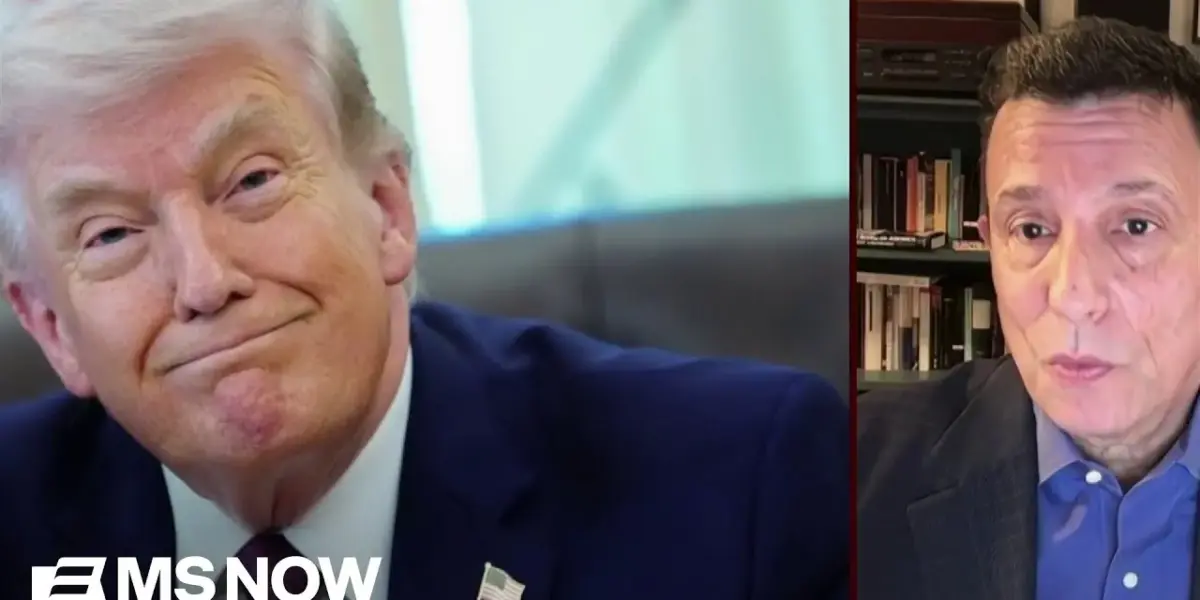
Remnick Criticizes Trump’s Iran Strategy, Citing Historical Concerns
New Yorker editor David Remnick expressed strong criticism of former President Donald Trump’s approach to Iran, suggesting that historical analysis will not be favorable. Speaking on a recent broadcast, Remnick highlighted the decision to withdraw from the Iran nuclear deal in 2018 as a pivotal error. He argued that this move, coupled with an increasing reliance on military force, has created a dangerous and unstable situation.
Remnick pointed to the accumulating, often contradictory, statements made by Trump as a sign of erratic leadership. “From a historical point of view, what has this added up to?” Remnick questioned, contrasting the president’s daily pronouncements with the long-term consequences of his policies. The withdrawal from the nuclear agreement, even with its acknowledged imperfections, left a void that has since been filled with heightened tensions and military actions.
“Cruelest Irony” of Trump’s Rhetoric and Actions
In a piece discussed during the broadcast, Remnick identified a striking contradiction in Trump’s foreign policy. “The cruelest irony is that the president who addresses the Iranian people in the language of liberation… is the same man who threatens American journalists with treason charges,” Remnick wrote. He argued that while Trump urged Iranians to overthrow their regime, he simultaneously sought to suppress dissent and control information at home.
This approach, Remnick suggested, undermines the very democratic principles Trump claimed to champion. The decision to abandon the nuclear deal and engage in military actions without a clear objective has left the American public confused. “The lack of a coherent strategy amounts to the American public going largely, what are we doing in Iran?” he noted.
Questions Over Strategy and Missed Diplomatic Opportunities
Remnick emphasized that key decisions regarding Iran were made without proper consultation. He revealed that shortly before Trump announced military actions, diplomatic channels were showing promise. “The foreign minister of Oman had said that they there was real promise there again,” Remnick stated.
He stressed the nature of diplomacy, noting, “You don’t make treaties with your friends; you make them with your enemies.” The decision to resort to military strikes instead of pursuing difficult negotiations was, in his view, a failure of will and skill. Remnick also raised concerns about the limited effectiveness of military actions, questioning the illusion that such measures would lead to the toppling of the Iranian regime.
Broader Geopolitical and Regional Impacts
The discussion extended to the wider implications of Trump’s policies, particularly concerning Israel and its regional neighbors. Remnick expressed deep concern over the actions of Benjamin Netanyahu, describing them as a “forever war” with devastating consequences, referencing the conflicts in Gaza and Lebanon.
He argued that the excessive and horrific actions in Gaza have inflicted moral damage not only on the Palestinian people but also on Israel itself. Remnick predicted that Israeli politics might not see significant change, with potential leaders offering similar hardline stances. This, he believes, will have long-term negative impacts on Israel’s standing in the region.
Diminished US Credibility and Global Power Shifts
The broadcast also touched upon the erosion of American credibility on the global stage. One expert noted that due to Trump’s erratic behavior, Arab states increasingly feel they are on their own. This perception has, ironically, strengthened Iran’s position in the region, according to the assessment.
Furthermore, Remnick highlighted that the primary beneficiaries of the ongoing conflict appear to be China and Russia, nations posing significant threats to the United States. “The winners from the conflict so far, China and Russia, the two countries that actually pose the greatest threat to the United States going forward,” he observed. The situation suggests a potential global power shift, with far-reaching consequences.
Looking Ahead: A Dangerous Time
Remnick concluded by characterizing the current period as “a deeply dangerous time in American history.” He believes that while Trump has presented an ongoing challenge, the situation has intensified. The lack of a clear strategy, combined with erratic leadership and the erosion of international trust, paints a grim picture for the future. The historical judgment on these policies, he maintains, will likely be harsh.
Source: David Remnick: Historians will not be kind to Trump over Iran (YouTube)

Related Articles


Trump’s Impossible Demands Reshape Justice Department
President Trump's demand for loyalty and action outside legal norms has reshaped the Justice Department. Recent departures, like Pam Bondi's, highlight the difficulty of fulfilling the President's "impossible tasks." The search for a new Attorney General continues amidst concerns about the DOJ's independence.

Trump’s Leadership: A Moral Vacuum for Young Learners?
Young people seek moral guidance from leaders, but what lessons does Donald Trump offer? Some argue his approach teaches negative behaviors like bullying and isolation, contrasting with traits like patience and gratitude seen in others. This raises questions about leadership character and its impact on societal values.

Trump’s Transparency: A Press Secretary’s Bold Claim
President Trump's press secretary, Sarah Huckabee Sanders, claims his public persona is identical to his private one. She states his directness eliminates guesswork, making her job easier by providing clear, unspun messages.