Hillary Clinton’s Epstein Deposition: A Day of Deflections
Hillary Clinton's February 2026 deposition in the Jeffrey Epstein investigation was marked by a security breach, repeated deferrals to her husband, and bizarre questions about UFOs and Pizzagate. The proceedings yielded little new evidence, shifting the focus heavily onto former President Bill Clinton.

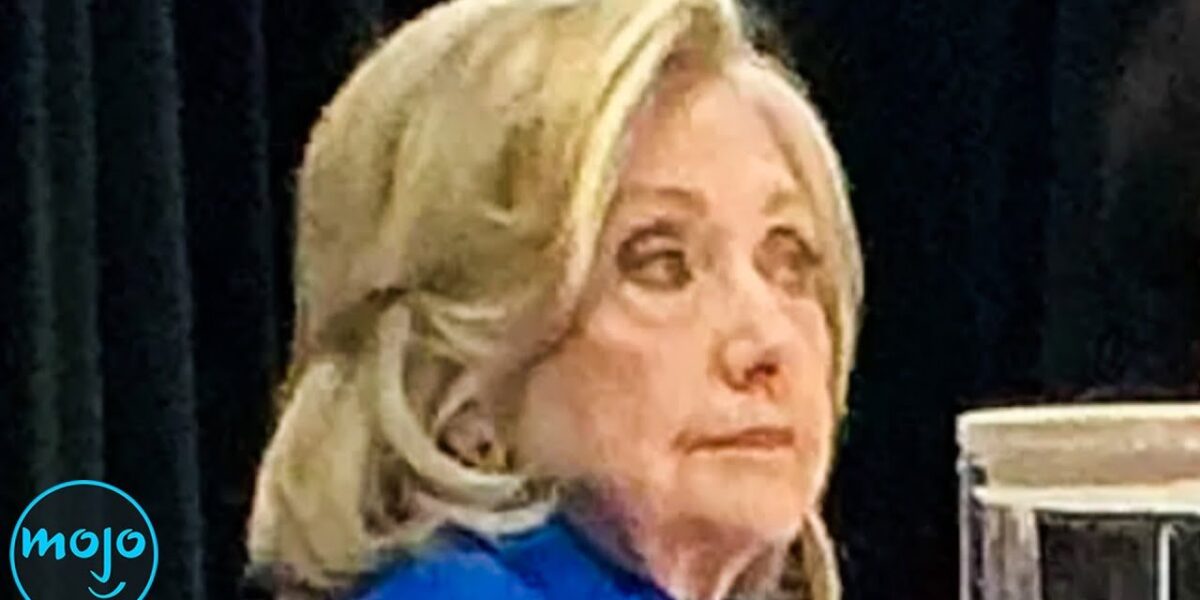
Hillary Clinton’s Epstein Deposition: A Day of Deflections and Bizarre Questions
In a highly anticipated event, former Secretary of State Hillary Clinton sat for a deposition on February 26, 2026, as part of the House Oversight Committee’s investigation into the Jeffrey Epstein scandal. The proceedings, held at the Chappaqua Performing Arts Center, were intended to shed light on any potential connections and knowledge Clinton might have had regarding Epstein and his associates. However, the day was marked by a significant security breach, a barrage of deflections, and questions that veered into the realm of conspiracy theories, ultimately yielding little new information and setting the stage for further scrutiny of her husband, former President Bill Clinton.
Security Breach and Public Outcry
The deposition, which was meant to be a closed-door affair, was briefly halted less than an hour into the session due to a security lapse. Representative Lauren Boebert, a Republican from Colorado, allegedly took a photo of Hillary Clinton inside the deposition room and shared it with influencer Benny Johnson, who then posted it on X (formerly Twitter) with a taunting caption. Boebert’s subsequent explanation to reporters—that she merely admired Clinton’s suit—was met with skepticism and accusations of a “social media stunt.” This incident provided Clinton with immediate ammunition, allowing her to argue that the inquiry prioritized “performative optics over justice for Epstein’s victims.” Her opening statement, released simultaneously online, decried the investigation as an “abdication of duty” and a “partisan exercise designed to distract from the 2026 election cycle.” Democrats condemned the breach, while Republican leadership remained notably silent.
The “Ask My Husband” Defense
Despite being under oath for nearly seven hours, Hillary Clinton’s testimony was characterized by a consistent refrain: she repeatedly stated she did not know Jeffrey Epstein well and directed investigators to her husband. Chairman James Comer, a Republican from Kentucky, confirmed to reporters that Clinton deferred to her husband more than a dozen times, making “You’ll have to ask my husband” the defining motif of the day. This strategy effectively positioned Clinton as a “defensive buffer.” Given that her name appears to be absent from the infamous “Lolita Express” flight logs, investigators found her to be a legal dead end regarding direct involvement. This lack of direct connection, coupled with her repeated deferrals, left the committee with little substantive information regarding her personal knowledge of Epstein’s activities.
A Bizarre Turn: UFOs and Pizzagate
The deposition took an unexpected and bizarre turn when the line of questioning shifted dramatically. Clinton reported being grilled on topics such as UFOs, contextualized by recent declassification efforts during the Trump administration, and the debunked Pizzagate conspiracy theory. Clinton vehemently slammed these inquiries as “vile bogus conspiracy theories that had no place in a serious investigation.” Ranking member Robert Garcia, a Democrat from California, echoed her frustration, labeling the Republican focus a “fever dream.” Garcia used the moment to pivot, arguing that the committee had set a “new precedent” by subpoenaing a former president and demanding that Donald Trump be deposed to address his own documented ties to Epstein. This exchange highlighted the increasingly partisan nature of the investigation, with each side accusing the other of weaponizing the inquiry.
The Shadow of Bill Clinton
The substantive outcome of Hillary Clinton’s deposition was a stalemate. Her testimony offered no new evidence of criminal activity, effectively boxing in the investigation to her stated lack of personal knowledge. However, the repeated deferrals to her husband significantly amplified the focus on former President Bill Clinton. Chairman Comer noted that the list of questions for Bill Clinton’s deposition, scheduled for February 27, 2026, grew substantially based on his wife’s deflections. The narrative emerging from the day was clear: Hillary Clinton’s testimony was merely the opening act for her husband, who faces far more scrutiny due to the 27 documented flights found in the original Epstein files, some of which were reportedly linked to the Clinton Global Initiative.
A Question of Credibility and Future Proceedings
Democratic lawmakers on the committee expressed their disappointment, stating they had learned nothing new from the former Secretary of State. They emphasized that someone who claims to have never met Jeffrey Epstein cannot provide the kind of new information the investigation seeks. The lack of “smoking guns” left the committee with a “high impact, low yield” result from Hillary Clinton’s testimony. The focus now shifts entirely to Bill Clinton’s deposition, where the committee hopes to uncover more substantial information. The entire affair has highlighted the contentious political landscape surrounding the Epstein investigation, turning a probe into serious allegations into a partisan proxy war, with accusations of weaponization flying between both sides.
Source: Key Moments From Hillary Clinton’s Epstein Files Testimony (YouTube)

Related Articles


Trump FBI Accused of Halting Epstein Probe in 2019
Newly released emails from the Jeffrey Epstein files indicate that the Trump administration's FBI ordered the NYPD to halt their 2019 investigation into Epstein. Further correspondence references a "murder" investigation into Epstein's death, contradicting the official suicide ruling and fueling demands for transparency.
Khanna Urges Trump to Testify Voluntarily in Epstein Probe
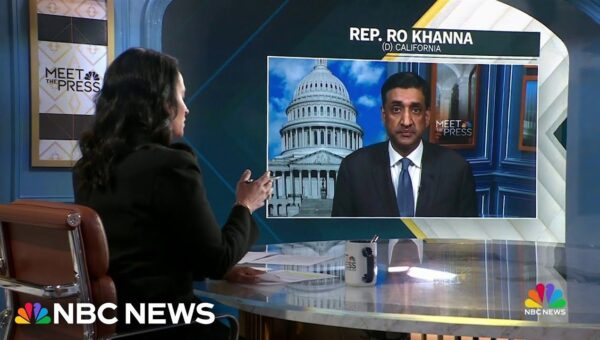
U.S. Representative Ro Khanna is calling on former President Donald Trump to voluntarily testify in the Jeffrey Epstein probe, citing Bill Clinton's recent deposition as a new precedent. Khanna believes Trump should follow Clinton's lead in answering all questions from investigators.

Ro Khanna: Americans Not Safer After Iran Leader’s Death
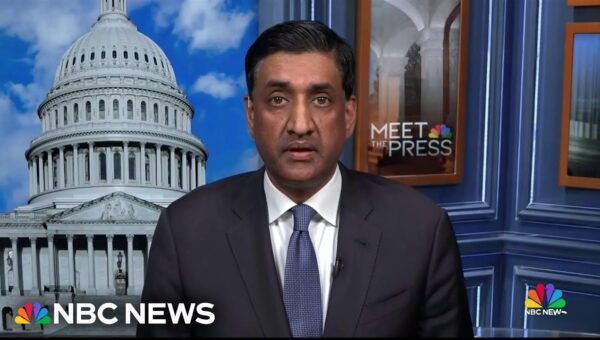
Congressman Ro Khanna argues that Americans are not safer following the death of Iran's Supreme Leader, Ayatollah Khamenei. He criticizes Republican foreign policy and pushes for a War Powers Resolution to limit presidential war-making authority. Khanna also calls for transparency in the Jeffrey Epstein case, advocating for testimony from prominent figures.