Hillary Clinton Deposition: Epstein Probe Exposes Political Theater
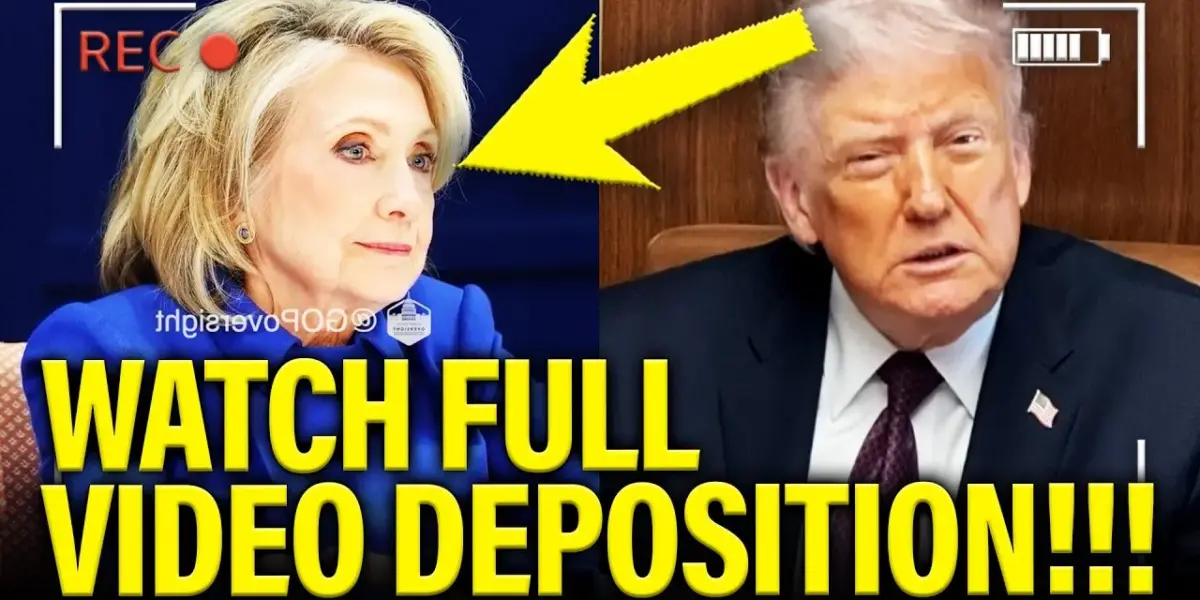
Hillary Clinton's deposition in the Epstein probe revealed a clash over political motivations and transparency. Clinton asserted no knowledge of Epstein's crimes, while criticizing the committee's methods as partisan theater.

Hillary Clinton Deposition: Epstein Probe Exposes Political Theater
In a highly anticipated deposition related to the Jeffrey Epstein and Ghislaine Maxwell investigations, former Secretary of State Hillary Clinton faced questioning from the House Committee on Oversight and Government Reform. The proceedings, marked by procedural discussions and a lengthy opening statement from Clinton, highlighted a stark divide between the committee’s stated goals of oversight and transparency, and the defense’s assertion of political motivation and a lack of relevant information.
Setting the Stage: Procedural Disputes and Opening Salvos
The deposition began with discussions regarding audio-visual amplification, underscoring the technical and logistical challenges of such proceedings. While the committee emphasized the need for clear audio and visuals, Clinton’s counsel initially requested amplification for the witness’s benefit, a point that was eventually addressed. The core of the deposition’s setup involved the committee outlining the broad scope of its investigation, which included “oversight of the federal government’s enforcement of sex trafficking laws generally, and specifically its handling of the investigation and prosecution of Mr. Epstein and Ms. Maxwell.” This broad scope, agreed upon after negotiations, aimed to cover potential mismanagement, the circumstances of Epstein’s death, the operation of sex trafficking rings, and ways in which Epstein and Maxwell allegedly sought to curry favor and influence, including potential ethics violations by elected officials.
The committee’s narrative presented a timeline of subpoena issuance, postponements, and a missed deposition date in January 2026, culminating in a contempt report against Secretary Clinton. This framing suggested a deliberate attempt to compel testimony and establish a record of non-compliance, which Clinton’s legal team countered through extensive correspondence and declarations.
Clinton’s Declaration: A Denunciation of Partisan Politics
Hillary Clinton’s opening statement was a forceful denunciation of what she characterized as “partisan political theater” masquerading as congressional oversight. She unequivocally stated, “I do not” possess information relevant to the investigations into Epstein and Maxwell’s criminal activities. She asserted that she had no recollection of ever encountering Epstein, never flew on his plane, nor visited his properties. Clinton expressed solidarity with victims and survivors, sharing personal accounts of her work combating sex trafficking globally, dating back to her time as First Lady and continuing through her tenure as Secretary of State.
She detailed legislative achievements, such as the Trafficking Victims Protection Act, and the ramp-up of anti-trafficking efforts during her time at the State Department, including the publication of annual global reports that triggered sanctions. Clinton also criticized the Trump administration for allegedly dismantling anti-trafficking programs, framing this as a dereliction of duty and a scandal deserving of vigorous investigation.
Clinton then turned the tables on the committee, questioning its priorities and methods. She highlighted the committee’s failure to secure testimony from numerous law enforcement officials and former Attorneys General involved in the Epstein case, the lack of public hearings, and the alleged refusal to allow media access. She pointed to the absence of Republican members at the deposition of Les Wexner and suggested that the committee’s actions were designed to protect a specific political party and official, rather than to seek truth and justice for victims.
Clinton directly challenged the committee’s focus on her, arguing that if they were serious about uncovering the truth, they would be questioning individuals with far more extensive ties to Epstein, including former President Trump, whose name appears frequently in the Epstein files. She called for transparency, the release of files (with appropriate redactions for victim protection), and a thorough investigation into why prosecutors offered Epstein a “sweetheart deal.”
The Questioning: A Focus on Associations and Recollections
The substantive questioning began with a broad query: whether Hillary Clinton had ever communicated with a lengthy list of individuals regarding Jeffrey Epstein or Ghislaine Maxwell. Clinton’s responses were predominantly “no,” “not that I recall,” or “I don’t know.” Notable exceptions included her response regarding Huma Abedin, where she clarified conversations in preparation for the hearing, and a general acknowledgment that she might have spoken about Ghislaine Maxwell casually, particularly as Maxwell was a guest of Ted Waitt, a software developer, at her daughter Chelsea’s wedding around 2010.
Clinton reiterated that she “barely knew” Maxwell and considered her a casual acquaintance, primarily through Waitt. She stated she did not recall ever meeting Jeffrey Epstein and had no recollection of meeting Maxwell during Bill Clinton’s presidency. When pressed on whether she considered Maxwell a friend, she deferred to her husband and daughter for their perspectives, noting that Maxwell was likely friendlier with Chelsea than with herself.
The questioning also touched upon other prominent figures, including various members of the Rothschild family, Bill Gates, Woody Allen, Harvey Weinstein, and Steve Bannon, all of whom Clinton generally denied communicating with in relation to Epstein or Maxwell, or claimed not to know.
Why This Matters
This deposition, while yielding limited direct admissions of knowledge about Epstein’s activities from Secretary Clinton herself, serves as a critical case study in the intersection of political power, legal investigations, and public perception. It underscores the challenges of conducting genuine oversight when accusations of partisan motivation are prevalent. Clinton’s opening statement, in particular, framed the Epstein investigation not just as a search for justice for victims, but as a political battleground where accountability is selectively applied. The transcript reveals a strategy by the committee to establish a record of inquiry and potential non-cooperation, while Clinton’s team sought to deflect, deny relevant knowledge, and pivot the focus towards perceived hypocrisy and broader systemic failures.
Implications, Trends, and Future Outlook
The deposition highlights a persistent trend in high-profile investigations: the politicization of the process. The framing of the inquiry, the selection of witnesses, and the public statements surrounding the investigation all become subject to partisan interpretation. For future investigations into complex criminal enterprises with potential ties to influential figures, the challenge will remain balancing the need for thoroughness and transparency with the inevitable political pressures. The effectiveness of such investigations may increasingly depend on the ability of oversight committees to maintain perceived neutrality and to demonstrate a genuine commitment to uncovering facts, regardless of political affiliation. The demand for public access to such proceedings, as advocated by Clinton, suggests a growing public expectation for transparency, even in sensitive legal matters.
Historical Context and Background
The Jeffrey Epstein scandal, involving allegations of sex trafficking and abuse spanning decades and involving prominent individuals, has cast a long shadow. The initial leniency shown to Epstein in 2008, leading to a non-prosecution agreement, remains a focal point of criticism regarding the justice system’s handling of such cases. Ghislaine Maxwell’s subsequent conviction for her role in facilitating Epstein’s abuse further intensified scrutiny on those who may have facilitated or been aware of his activities. Congressional investigations into such matters are not new, but the Epstein case, due to the sheer breadth of alleged connections and the high-profile nature of the individuals involved, has become a particularly contentious arena for oversight, often entangled with broader political narratives and accusations of cover-ups.
The reference to the Trafficking Victims Protection Act and efforts by the State Department under Clinton’s leadership provides context for the ongoing, albeit often under-resourced, federal efforts to combat human trafficking. The contrast drawn with the alleged dismantling of such programs under a subsequent administration underscores the shifting priorities and political battles surrounding this critical issue.
Ultimately, the deposition of Hillary Clinton, framed by her strong opening statement and the committee’s detailed procedural record, serves as a potent illustration of the complexities and controversies inherent in pursuing accountability for high-profile figures and complex criminal networks in the current political climate.
Source: 🚨 FULL Hillary Clinton Video Deposition in House EPSTEIN INVESTIGATION (YouTube)

Related Articles

Clinton Faces Scrutiny in Epstein Investigation Deposition
Former President Bill Clinton provided testimony in a deposition related to the Jeffrey Epstein and Ghislaine Maxwell investigation. The session delved into his past interactions with Epstein and Maxwell, the scope of the committee's inquiry, and the procedural rules governing the deposition.
Clinton Testifies on Trump’s Epstein Ties: ‘Didn’t Know Him Well’
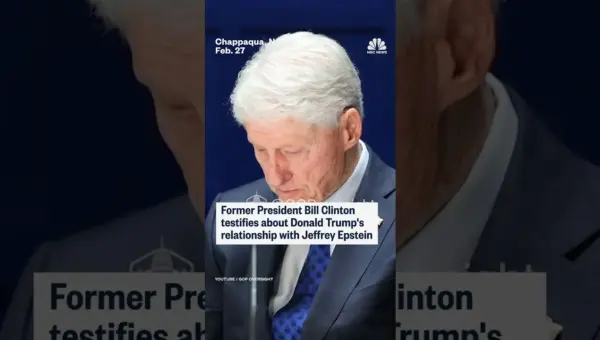
Former President Bill Clinton has testified that Donald Trump claimed he "didn't know Jeffrey Epstein well" and that their friendship ended over a property deal. The remarks emerged from a deposition addressing Trump's past association with the convicted sex offender.


Epstein Files, Iran War: Trump’s Dark Past Fuels Current Crises
As the Iran conflict escalates, allegations of Donald Trump's involvement in the Epstein scandal resurface, fueling claims of a deliberate cover-up. The intertwined narratives raise critical questions about transparency, accountability, and the integrity of political processes.