Highland Park Shooter’s Dark Online Trail Revealed
Robert Crimo III's July 4th parade massacre in Highland Park was preceded by years of disturbing online content and missed warning signs. This article delves into his troubled past, digital footprint, and the systemic failures that allowed the tragedy to unfold.

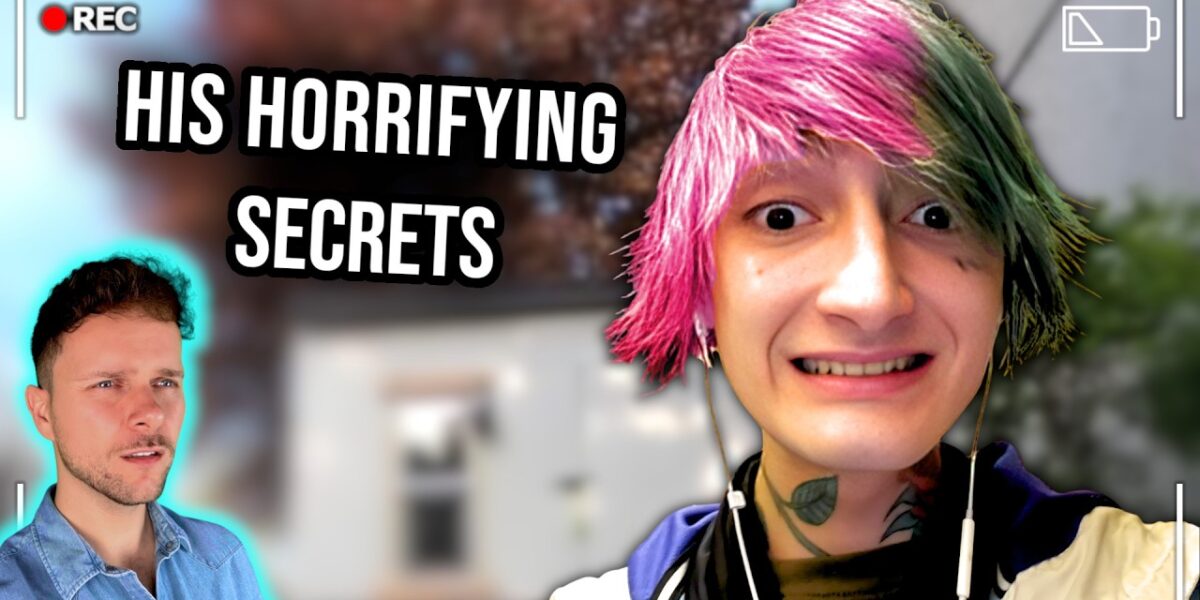
Highland Park Shooter’s Dark Online Trail Revealed
The sun was shining brightly over Highland Park, Illinois, on July 4th, 2022. Families gathered along Central Avenue, a familiar scene of celebration for this close-knit Chicago suburb. Marching bands played, children chased after candy, and neighbors shared laughter. It was a picture of idyllic Americana, a tradition deeply woven into the town’s identity, especially after a hiatus due to the pandemic. But this joyous tableau was shattered in a matter of moments by a hail of gunfire from an unlikely vantage point: a rooftop overlooking the festive crowd.
A Day of Terror Unfolds
The festive atmosphere evaporated as the distinct sound of gunshots ripped through the air. Panic ensued. People scattered, parents shielded their children, and the sounds of screams replaced the cheerful music. The attack, swift and brutal, originated from a shooter positioned on the roof of a local business. In the ensuing chaos, over 70 rounds were fired, claiming seven lives and injuring dozens more. The shooter, having executed their horrific act, vanished into the bewildered crowd, leaving behind an abandoned rifle and a community in shock.
The Manhunt and the Unveiling
The abandoned AR-15 style rifle, traced by its serial number, led authorities to Robert Eugene Crimo III, a 21-year-old Highland Park resident. A manhunt was launched, with Crimo’s image and description plastered across national news. He was described as slender, with long, dark hair and distinctive neck and facial tattoos. Unbeknownst to the public, Crimo had already fled the state, heading towards Wisconsin with a second rifle and ammunition. Fortunately, he turned back, and by 6:30 p.m. that evening, he was apprehended just five miles from the crime scene, surrendering without a fight.
A Troubled Past and a Digital Footprint
Crimo’s arrest was just the beginning of a deeper, more disturbing investigation. Detectives quickly discovered that Crimo was not a stranger to law enforcement, nor was he an unknown entity online. He maintained a significant online presence under the moniker “Awake the Rapper,” where his content had long been laced with unsettling themes of violence and nihilism. This digital trail offered a chilling glimpse into the mind of a man who, on the surface, appeared quiet and withdrawn.
Early Life and Escalating Warning Signs
Born in 2000, Robert Crimo III grew up in a fractured household. Even at a young age, his mother was arrested for child endangerment after leaving him in a hot car. The family home was reportedly a site of frequent, explosive arguments between his parents. Crimo found solace in skateboarding and video games, forming a close bond with his friend Anthony Leaport. The tragic death of Leaport from an overdose in 2017 deeply affected Crimo, leading to his withdrawal from school and increased isolation. It was during this period that he began to cultivate his online persona, “Awake the Rapper.”
The Rise of “Awake the Rapper”
By the age of 18, Crimo had fully embraced the “Awake the Rapper” identity. His online output — songs, videos, blog posts, and merchandise — was prolific and increasingly disturbing. His content featured images of mass shootings, death, and self-destruction. Videos like “Toy Soldier” depicted animated stick figures in violent scenarios, culminating in a shooter being killed by police. Another video, “Are You Awake?” featured a robotic voice delivering ominous pronouncements about inevitability and a lack of past or future.
Foreshadowing the Fourth
Crimo exhibited a peculiar fixation with July 4th. His drawings frequently featured the number “47,” an inversion of the date. His personal logo bore a resemblance to a hate symbol, and his Discord server was named “SS,” a nod to Hitler’s paramilitary unit. While he attended pro-Trump rallies and posted about government conspiracies, his ideology seemed more focused on notoriety and shock value than a clear political stance. His online rhetoric grew more aggressive, with videos showing him driving past a synagogue and muttering disturbing comments, and even filming himself on Central Avenue nearly a year before the attack.
Missed Opportunities and Systemic Failures
The years leading up to the shooting were marked by several critical missed opportunities. In April 2019, Crimo reportedly threatened suicide with a machete, though he was described as cooperative and claimed to be receiving mental health treatment. Investigations revealed this was untrue, and he was receiving no support. Just four months later, police responded to a report of Crimo threatening to kill his family. A search of his room uncovered numerous weapons, including knives and a samurai sword. Despite being labeled a threat, the case was dismissed, and the weapons were returned. Astonishingly, in January 2020, his father, Robert Crimo Jr., sponsored his application for a firearm owner’s ID card, dismissing his son’s issues as a “teenage outburst.” The state approved the application without further review. Between 2020 and 2022, Crimo legally purchased five firearms.
The Day of the Attack
On the morning of July 4th, 2022, Crimo donned a disguise: women’s clothing, a wig, and makeup, designed to conceal his tattoos. He carried his rifle, wrapped in a blanket, ascended to the rooftop, and opened fire on the unsuspecting crowd. After the massacre, he descended, blending back into the panicked masses. He walked to his mother’s house, took her car keys, and informed her of the shooting. She allowed him to leave. He was apprehended hours later, a short distance from the scene.
Legal Proceedings and Sentencing
Crimo was initially charged with six counts of first-degree murder, later increased to seven. A grand jury returned a 117-count indictment, including murder, attempted murder, and aggravated battery charges. He showed no emotion when his bond was denied and offered no reaction to the victim’s families. As the case progressed, his defense team pursued an insanity plea, while the public outcry focused on the missed red flags. This led to a review of Illinois’ red flag laws and civil suits against the gun seller and his father. Robert Crimo Jr. was charged with reckless conduct for his role in helping his son obtain a firearm license and received a 60-day jail sentence, serving only half. In a surprising turn, Robert Crimo III pleaded guilty to 21 counts of murder and 48 counts of attempted murder on March 3rd, 2025. On April 24th, 2025, he was sentenced to seven consecutive life terms without the possibility of parole, plus 50 years for each attempted murder. Notably, Crimo did not attend his sentencing, opting to have his chair remain empty during the two days of victim impact statements.
The Unanswered Question: Why?
Despite the extensive evidence and Crimo’s confession, a clear motive remains elusive. He never provided a manifesto or a direct explanation to investigators. While his online content, violent lyrics, and cryptic messages suggest a deep-seated rage and fascination with violence, the “why” remains speculative. Mental health struggles, profound loneliness following his friend’s death, and immersion in toxic online echo chambers likely played significant roles. His actions appear to have been driven more by an obsession with notoriety and the fantasy of becoming a figure, rather than a specific ideology or targeted hatred.
Lessons and Lingering Questions
The Highland Park shooting stands as a tragic testament to the devastating consequences of unchecked online radicalization, missed warning signs, and failures within the legal and mental health systems. The case highlights the urgent need for effective red flag laws, better mental health support, and a critical examination of how individuals can acquire firearms despite clear indications of dangerous intent. The community of Highland Park, forever scarred, continues to grapple with the profound loss and the unsettling reality that such violence can erupt from within their midst.
Source: The YouTuber that Dressed As a Woman to Murder Multiple Neighbours (YouTube)

Related Articles
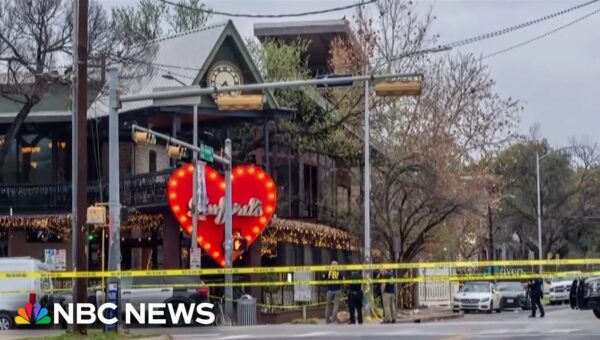
Austin Bar Shooting: 3 Dead, 14 Injured in Violence
A mass shooting at an Austin bar has left three dead and 14 injured, prompting an intensive investigation. Authorities are exploring potential links to terrorism and the suspect's background, while Governor Abbott vows decisive action against any threats to Texas.

Silent Warnings: When Ordinary People Foresee Disaster
Explore the chilling accounts of ordinary individuals whose warnings about impending crimes were tragically ignored. From financial fraud to mass violence, these stories highlight the critical importance of heeding early signs.
Cryptic Note, Impossible Fall: The Unsolved Death of Rey Rivera
Rey Rivera's death is shrouded in mystery, marked by a cryptic note, an impossible fall from a building, and a police investigation that hit insurmountable obstacles. The case remains officially unsolved, leaving more questions than answers.