Hezbollah’s War Capacity Questioned Amid Escalating Lebanon Conflict
Hezbollah's military capacity is being questioned as renewed strikes hit southern Lebanon. Israel retaliated to a Hezbollah attack with extensive bombing, raising fears of a full-scale war. The conflict highlights Israel's multi-front war challenges and regional tensions.

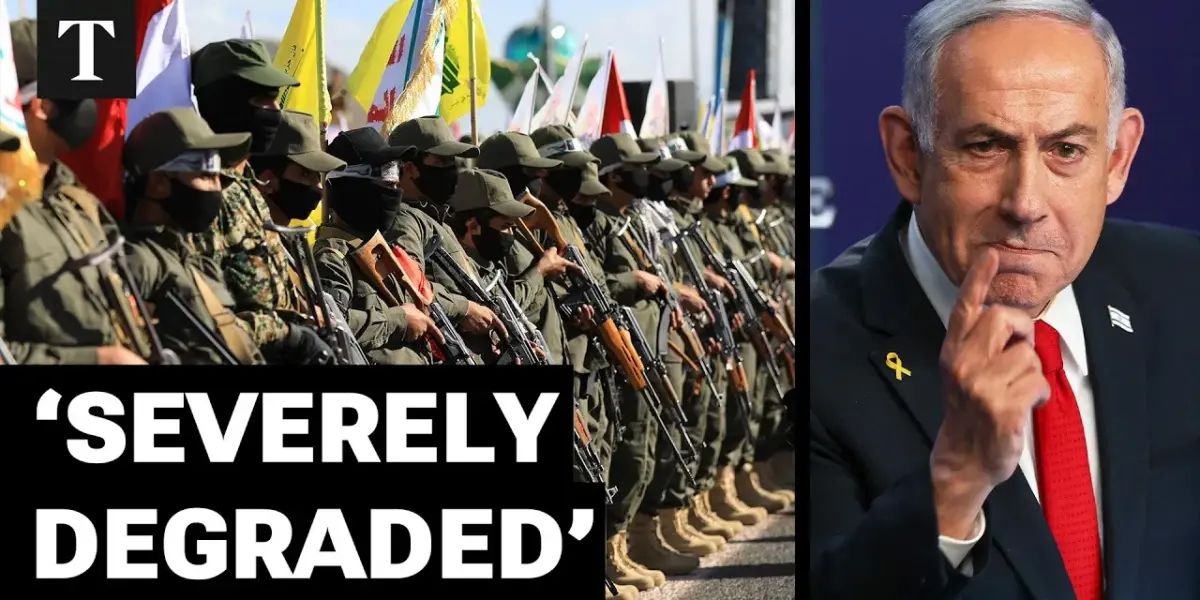
Hezbollah’s Military Prowess Under Scrutiny Amidst Renewed Lebanon Strikes
Beirut, Lebanon – The fragile calm in southern Lebanon has been shattered as Hezbollah and Israeli forces exchanged fire, raising fears of a full-scale war. In a significant escalation, Hezbollah launched a missile and drone attack on northern Israel early this morning, reportedly in retaliation for the killing of Iran’s Supreme Leader. This action triggered an immediate and forceful response from Israel, which carried out extensive bombing raids on targets across Beirut and southern Lebanon. As of this report, the Israeli strikes have resulted in approximately 30 fatalities and around 150 injuries, with a fresh wave of attacks on Lebanese villages occurring within the last hour. An Israeli surveillance drone is currently active over Beirut, suggesting ongoing intelligence gathering for further potential strikes.
The resumption of intense hostilities marks a dangerous turn in a region already grappling with multiple interconnected conflicts. Lebanon experienced a full-scale war between Hezbollah and Israel in 2024, which concluded with a ceasefire agreement in November of that year. However, since the ceasefire, Israel has continued to conduct near-daily airstrikes on targets within Lebanon, ostensibly aimed at disrupting Hezbollah’s rearmament efforts. This latest exchange indicates a potential return to widespread conflict, a scenario that carries profound implications for regional stability.
Israel’s Multi-Front War Capacity Tested
Israel finds itself engaged in what it has termed a multi-front war, a challenge that has intensified significantly since the Hamas-led attack on October 7, 2023. For over two years, the Israeli military has been simultaneously conducting operations in Gaza, battling Hezbollah in Lebanon, and engaging with Houthi forces in Yemen – all of which are backed by Iran. While Israel has demonstrated a capacity to fight on multiple fronts, the current intensity of the conflict, particularly the direct confrontation with Iran and its proxies, appears to be reaching unprecedented levels.
The strategic implications of this widening conflict are considerable. The involvement of the United States has also become more pronounced. In a significant development, the UK has granted the U.S. permission to utilize its military bases in the Chagos Islands (Diego Garcia) and at RAF Fairford in Gloucestershire for operations related to the conflict with Iran. This move underscores the international dimension of the escalating tensions.
Hezbollah’s Capability to Wage Another War Questioned
Amidst the renewed fighting, a critical question looms: does Hezbollah possess the military capacity to sustain another full-scale war with Israel? Its capabilities were reportedly severely degraded during the 2024 conflict. Despite the ceasefire, Israel’s persistent airstrikes have aimed to prevent a significant rebuilding of Hezbollah’s military strength. Furthermore, the organization has faced considerable domestic and international pressure to disarm and withdraw its forces from Lebanon’s southern border region.
Journalist Hunter Williamson, reporting from Beirut, expressed significant doubt regarding Hezbollah’s readiness for another major conflict. “It is extremely questionable whether or not Hezbollah has the capability to fight a second war,” Williamson stated. “And so far, we’ve only seen Hezbollah carry out one strike. That one strike being the one that happened at midnight. There’s been no further Hezbollah military response as of now.” This assessment suggests that Hezbollah’s current offensive actions may be limited in scope and duration, potentially reflecting a diminished capacity rather than a full mobilization.
“It is extremely questionable whether or not Hezbollah has the capability to fight a second war. And so far, we’ve only seen Hezbollah carry out one strike… There’s been no further Hezbollah military response as of now.” – Hunter Williamson, Journalist
Broader Regional Tensions and Religious Undertones
The conflict is increasingly viewed through a broader regional lens, with deep-seated religious and political rivalries at play. Iran, as the predominant Shia Muslim nation in the Middle East, finds itself in opposition to many of its Sunni-majority neighbors, including Saudi Arabia. This religious dimension adds another layer of complexity to the geopolitical landscape, potentially drawing in more countries than initially anticipated. The article highlights that when Iran launches missiles into surrounding countries, it not only targets U.S. interests but also impacts regional populations, leading to strong reactions from nations like Saudi Arabia.
Adding to the volatile situation, reports indicate a drone attack on a UK RAF base in Cyprus overnight, though no casualties were reported. Simultaneously, U.S. President Donald Trump confirmed that combat operations in Iran will continue until all American objectives are met, a process he estimates could take four to five weeks. He also acknowledged the loss of three U.S. service members since the military assault began on Saturday morning, expressing condolences to their families and reaffirming commitment to the mission.
Developments in Kuwait and Unconfirmed Incidents
Further evidence of the escalating global tensions emerged with reports of black smoke seen rising from the vicinity of the U.S. embassy in Kuwait City following a recent volley of Iranian strikes. While the embassy has not confirmed being hit, it issued a security alert advising personnel to stay away and warning of a continuing threat of missile and UAV attacks in Kuwait. Adding to the disquiet, unconfirmed videos circulating from Kuwait appear to show a fighter jet crashing near a U.S. base, with the aircraft seen engulfed in flames before descending rapidly. The origin and cause of this potential incident remain unverified.
Looking Ahead: A Widening Conflict?
The coming days will be critical in determining the trajectory of this escalating conflict. All eyes are on Hezbollah’s response to the ongoing Israeli strikes and on whether the organization can muster a more significant military capability than currently assessed. Simultaneously, the broader regional implications, including the potential for wider involvement of Iran’s allies and the reactions of Arab nations, will be closely watched. The U.S. commitment to its objectives and the operational tempo of its forces, alongside the evolving situation in Lebanon and its impact on regional stability, will be key factors to monitor as the conflict potentially widens.
Source: Hezbollah’s Military Power ‘Extremely Questionable’ As Southern Lebanon Suffers Israeli Strikes (YouTube)

Related Articles
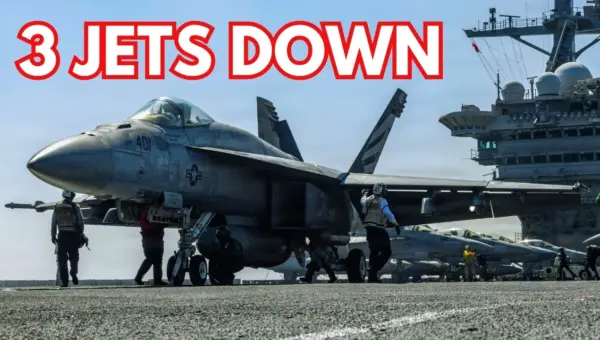
Iran War Escalates: US Admits More Casualties, Allies Consider Joining
The Pentagon has warned of more U.S. casualties as the conflict with Iran escalates, drawing in Hezbollah and potentially European allies. Amidst reports of friendly fire incidents and unverified casualty claims, the U.S. faces strategic challenges in countering Iran's asymmetric tactics.
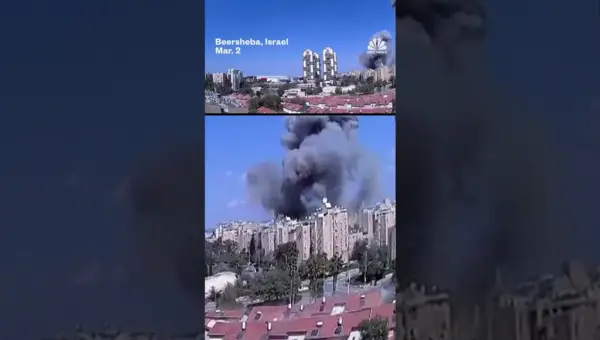
Video Captures Moment Iran Missile Strikes Israeli Building
A newly released video captures the moment an Iranian missile struck a building in Israel, highlighting escalating regional tensions. The direct strike raises concerns about a wider conflict, with international bodies urging de-escalation.

US, Israel Strike Iran; Supreme Leader Khamenei Dead
The United States and Israel launched a joint military strike on Iran, resulting in the death of Supreme Leader Ayatollah Ali Khamenei. President Trump declared "the hour of your freedom is at hand" for the Iranian people amidst escalating regional conflict.