Hezbollah’s Reach Extends to U.S. Terror Plot
The FBI has linked a recent Michigan synagogue attack to Hezbollah, revealing the attacker's meticulous planning and violent intentions. The incident underscores concerns about foreign militant ideologies influencing domestic threats within the U.S. This development highlights the global reach of groups like Hezbollah.

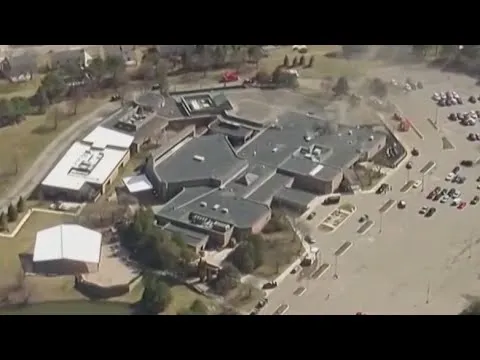
Hezbollah’s Influence Linked to Michigan Synagogue Attack
The FBI has officially stated that a recent attack on a synagogue in West Bloomfield, Michigan, was an act of terrorism inspired by Hezbollah. This announcement marks a significant development, showing the reach of foreign militant ideologies into domestic U.S. soil. The FBI emphasized that this characterization was not made lightly and followed a careful review of the evidence.
Details of the Attack and the Attacker
The individual responsible for the attack, identified as Ayman Ghazali, began planning the assault three days prior. His goal was to kill as many people as possible. Evidence recovered by the FBI shows Ghazali searched online for information about large gatherings of Israelis in Michigan. He also attempted to delete these searches, but investigators were able to recover them.
Ghazali purchased an AR-style rifle and visited a local shooting range. He uploaded photos of Iran’s late Supreme Leader, Ayatollah Khomeini, and Hezbollah leaders to a Facebook album titled “Vengeance.” Additionally, he bought $2,000 worth of fireworks, 35 gallons of gasoline, and torch lighters. These purchases suggest a plan for a large-scale, destructive attack.
Communications and Motives
Before ramming his truck into Temple Israel, an early childhood education center, Ghazali spent two hours in the parking lot. During this time, he sent 19 videos to his sister in Lebanon. In these videos, he used chants in Arabic to encourage people to bomb the enemy and attack enemy fortresses. His final videos clearly laid out his violent intentions.
In one of the final videos, Ghazali stated, “With this screenshot, this is the largest gathering of Israelis in the state of Michigan in the United States. I have traffic, the car. I will forcibly enter and start shooting them. God willing, I will kill as many of them as I possibly can.” This statement reveals a clear intent to target a specific group and cause mass casualties.
Attacker’s Background and Connections
Ayman Ghazali was originally from Lebanon but later became a U.S. citizen through marriage. The FBI reported that he called his ex-wife five times on the day of the attack. She, in turn, contacted local police to request a wellness check, but it was too late by then. While Ghazali’s direct involvement with Hezbollah is unclear, the Israeli Defense Forces (IDF) have stated that his brother was a Hezbollah commander. His brother was reportedly killed along with other family members in an Israeli airstrike.
Global Impact
This incident highlights the growing concern over foreign terrorist organizations influencing individuals within the United States. Hezbollah, designated as a terrorist group by the U.S. and other nations, has historically been linked to attacks in the Middle East and elsewhere. The FBI’s linking of the Michigan attack to Hezbollah suggests that the group’s operational reach and ideological influence may extend further than previously understood.
Historical Context
Hezbollah, a Lebanese Shia Islamist political party and militant group, was formed in the early 1980s. It has been involved in numerous conflicts and acts of violence, often with support from Iran. The group has been implicated in past attacks targeting Israeli and Jewish interests globally. This latest incident, however, shows a potential shift towards inspiring lone-wolf style attacks within the U.S. itself, rather than direct operational command.
Economic and Regional Dynamics
While the transcript does not detail specific economic sanctions or trade figures related to Hezbollah or its backers, Iran’s influence is often a factor in these discussions. U.S. policy generally involves sanctions against Iran and its proxies like Hezbollah, aimed at disrupting their funding and operations. The connection to a family member who was a Hezbollah commander and was killed in an Israeli strike could also point to regional conflicts and grievances fueling such attacks.
Future Scenarios
The FBI’s findings may lead to increased scrutiny of individuals with ties to groups like Hezbollah who are residing in or traveling to the United States. Future scenarios could include enhanced intelligence sharing, tighter border controls, and more proactive investigations into potential threats inspired by foreign terrorist ideologies. The U.S. will likely continue to work with international partners to counter the spread of such violent extremism.
Source: FBI links Hezbollah to Michigan synagogue attack | The Hill (YouTube)

Related Articles

Gulf Allies Urge Trump to Continue Iran Conflict
U.S. allies in the Persian Gulf are urging President Trump to intensify military action against Iran, believing Tehran has not been sufficiently weakened. The ongoing conflict raises concerns about regional stability and global energy prices, while questions linger about the administration's long-term strategy.

Middle East Conflict Sends Gas Prices Soaring Past $4
The national average gas price has surpassed $4 per gallon for the first time since 2022, driven by escalating conflict in the Middle East. Recent attacks on oil tankers and military strikes have heightened fears of energy supply disruptions, impacting consumers globally.

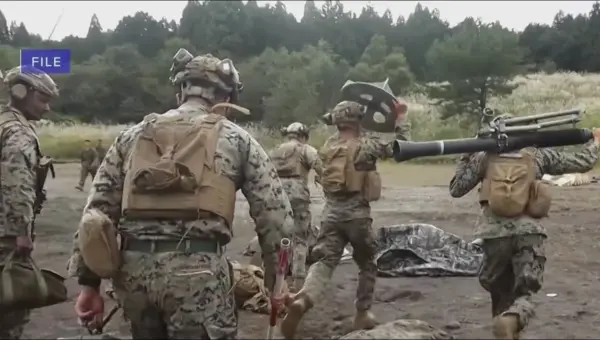
US Weighs Troop Deployment Amid Iran Deal Push
The U.S. is considering deploying ground troops to Iran while simultaneously pushing for a diplomatic deal to reopen the Strait of Hormuz. Air strikes are ongoing as President Trump increases pressure on Iran.