Hezbollah Strikes Israel After Lebanon Attacks
Hezbollah has fired rockets into northern Israel, marking its first attack since a U.S.-brokered ceasefire with Iran. This comes as Israel details major strikes against Hezbollah in Lebanon, eliminating a key figure and hitting numerous targets. The ceasefire's scope is now in question, with conflicting statements emerging from various parties.

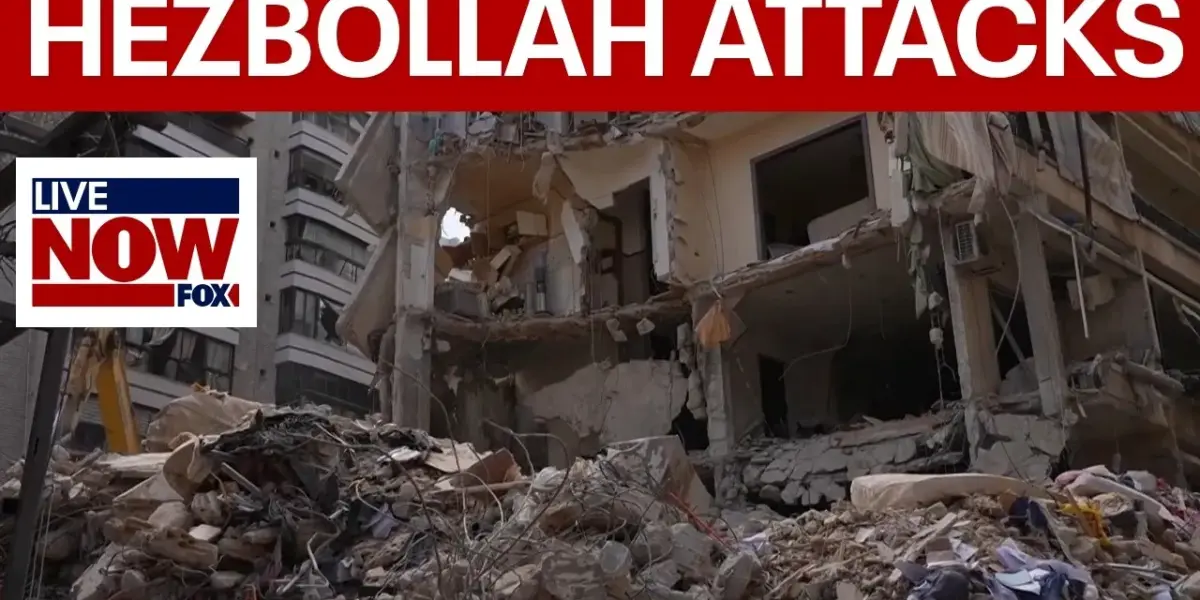
Hezbollah Fires Rockets at Northern Israel Amid Escalating Tensions
Hezbollah announced early Thursday that it launched rockets into northern Israel. This marks the group’s first attack against Israel since a U.S.-brokered ceasefire agreement was reached with Iran. The situation remains tense as both sides exchange fire and conflicting statements emerge regarding the scope of the recent ceasefire.
Israel Details Major Strikes Against Hezbollah in Lebanon
The Israel Defense Forces (IDF) released details of what it called its largest strike against Hezbollah since the start of Operation “Roaring Line.” The operation, carried out over a single minute, reportedly hit 100 military targets across Lebanon. These targets included command centers, missile infrastructure, and assets used by Hezbollah’s special forces.
An IDF statement explained that the strikes were based on weeks of precise intelligence and careful planning. The military force stated that Hezbollah has been changing its tactics by moving beyond traditional strongholds and building positions in more areas, including civilian neighborhoods. The IDF asserted that Hezbollah uses civilians as human shields and has dragged Lebanon into this war, now spreading danger to more communities. “Our message is clear, we are fighting not the people of Lebanon,” the IDF stated, emphasizing their goal is to prevent threats to Israeli civilians.
Key Hezbollah Figure Eliminated
In a significant development, the IDF announced it had eliminated Ali Youarchi, the personal secretary to Hezbollah Secretary General Naim Kazm, in Beirut. Youarchi was described as a close associate and personal adviser who played a key role in managing Kazm’s office. The IDF also reported striking two key crossings used by Hezbollah to move weapons south of the Litani River, along with 10 weapons storage sites, launchers, and command centers in southern Lebanon.
Ceasefire Doubts Emerge Amid Conflicting Statements
The recent ceasefire agreement, intended to halt over a month of conflict, appears to be under strain. Vice President JD Vance commented that while Iran believed the ceasefire included Lebanon, the U.S. had not made that promise. “We never indicated that was going to be the case,” Vance stated, highlighting a potential misunderstanding or disagreement over the terms.
Israeli Prime Minister Benjamin Netanyahu also stated that the ceasefire deal does not cover fighting against Hezbollah. This contradicts earlier reports from the deal’s brokers and other nations. The U.S. had previously demanded Iran immediately reopen the Strait of Hormuz, which Iran had reportedly closed in response to Israeli attacks on Lebanon.
Israel’s Stance on Ceasefire and Hezbollah Conflict
Alex Treman, CEO and Jerusalem bureau chief at the Jewish News Syndicate, offered insights into Israel’s position. He explained that Israel views its conflict with Hezbollah in Lebanon as a separate issue from the broader U.S.-Iran ceasefire negotiations. Israel has been insistent on removing Hezbollah’s capabilities, especially given the group’s significant buildup of rockets and ballistic missiles near its northern border since 2006.
Treman noted that while the U.S. is negotiating a ceasefire with Iran, Israel views its actions against Hezbollah as a necessary binary conflict. “Israel cannot live with the [Hezbollah threat] on the northern border like this,” he stated, pointing out that Hezbollah continues to fire rockets at Israeli cities, forcing residents into bomb shelters with seconds to spare. Israel, therefore, is not ready to stop its military operation until it feels Hezbollah’s capacity to fire at Israel is significantly diminished or eliminated.
Broader Implications and Future Outlook
The situation highlights the complex geopolitical dynamics at play. Iran, backing Hezbollah, has threatened to weaken or withdraw from the ceasefire due to continued Israeli strikes. However, Israel maintains its right to act independently to ensure its security. The U.S. and Israel reportedly maintain regular communication and coordination, even with direct coordination between President Trump and Prime Minister Netanyahu.
Despite the U.S. leading the ceasefire negotiations with Iran, Israel emphasizes its own security imperatives. There is a belief that these negotiations with Iran could break down, potentially leading to renewed conflict within a short period. The coming days will be crucial in determining whether the fragile ceasefire holds or if the region descends further into conflict.
Source: Hezbollah fires at Israel after attacks on Lebanon & US-Iran ceasfire (YouTube)

Related Articles
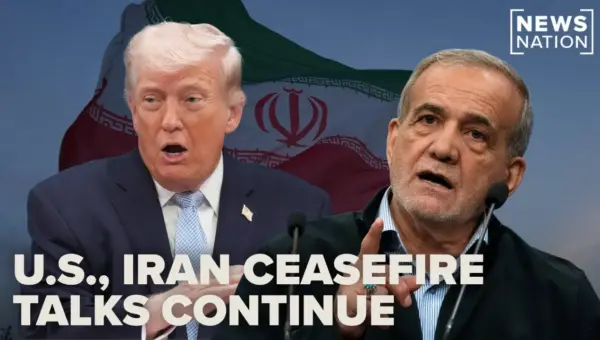
Iran Threatens Strait of Hormuz Amid Lebanon Strikes
Iran threatens to close the vital Strait of Hormuz in response to ongoing strikes in Lebanon. The US is trying to de-escalate, but actions on the ground remain a concern, potentially impacting global oil markets and future negotiations.

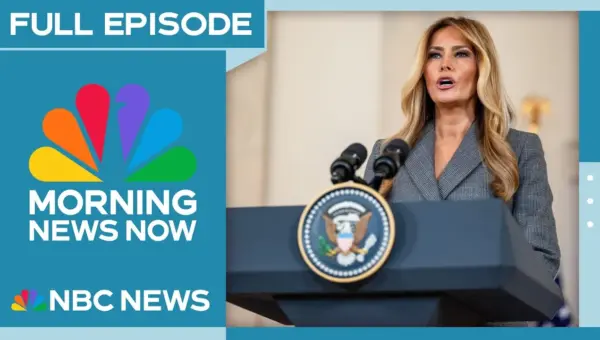
Middle East Tensions Rise Amid Ceasefire Violations
Middle East tensions are escalating as Iran is accused of violating a ceasefire, leading to rising oil prices and renewed strikes between Israel and Hezbollah. Meanwhile, Vice President J.D. Vance is preparing for crucial peace talks in Pakistan. In other news, First Lady Melania Trump has broken her silence to deny rumors linking her to Jeffrey Epstein.
Israel Orders More Strikes on Hezbollah Amid Lebanon Talks
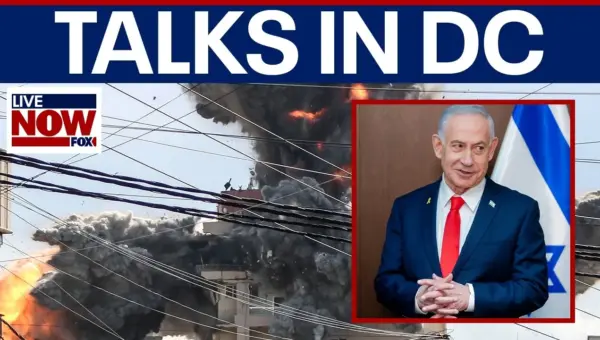
Israel has ordered intensified strikes on Hezbollah in Lebanon as direct negotiations between the two nations are set to begin. The Prime Minister's office stated the operations aim to dismantle Hezbollah, which it calls a "genocidal terror organization" threatening both Israeli and Lebanese civilians. The talks seek to disarm Hezbollah and establish long-term peace.