Hezbollah Faces Declining Support in Lebanon Amid War and Political Shifts
Support for Hezbollah in Lebanon is fragmenting, with many citizens blaming the group for recent conflicts and desiring state control over weapons. Once a dominant political and military force, Hezbollah's influence has waned due to regional entanglements and the devastating impact of war. The group now faces a divided public and a political landscape increasingly pushing for its disarmament.

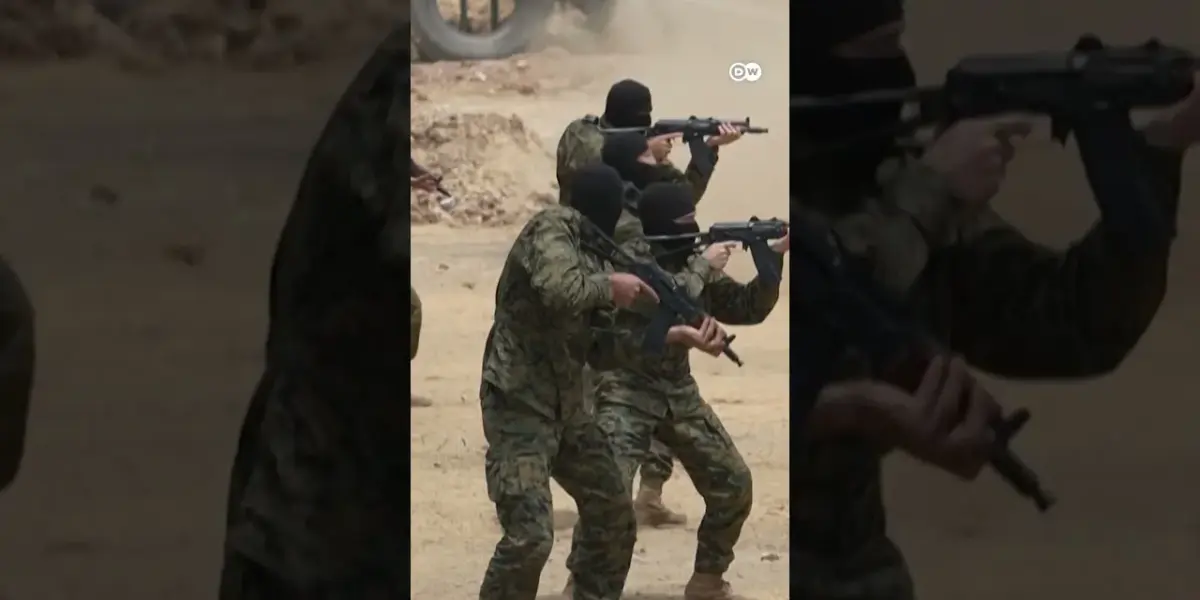
Hezbollah’s Shifting Popularity in Lebanon
Support for Hezbollah in Lebanon, once a dominant force, is now fragmented and changing. While some members of the Shia community, the group’s traditional base, still offer backing, public opinion on the streets of Lebanon reveals a growing sentiment against the militant group. Many now hold Hezbollah responsible for dragging the country into the recent conflict with Israel.
A History of Power and Influence
Hezbollah, an Iran-backed group, emerged in the early 1980s during Israel’s invasion of Lebanon. It grew into a powerful armed faction that confronted the Israeli occupation of southern Lebanon. After Israel withdrew in 2000, Hezbollah enjoyed widespread national and regional support.
From Resistance to Political Player
The group refused to disarm even after the Israeli withdrawal, despite Lebanon having an official army meant to hold a monopoly on weapons. Hezbollah evolved beyond its military role, becoming a political party with deep social and religious connections. It won elections, joined the government, and provided social services where the Lebanese state often fell short. This dual role as both a militant force and a provider of social support helped solidify its base.
Regional Conflicts and Damaged Image
Hezbollah’s involvement in conflicts beyond Lebanon’s borders has significantly impacted its image. Its participation in the Syrian civil war, fighting alongside Bashar Assad, damaged its reputation both within Lebanon and across the wider Arab world. Western governments like the United States, the United Kingdom, and Germany, along with Gulf States, have designated Hezbollah as a terrorist organization. These actions have isolated the group internationally and raised concerns among many Lebanese citizens.
The Impact of the 2024 War
The 2024 war between Israel and Hezbollah dealt another severe blow to the group. The conflict resulted in widespread destruction and loss of life, including the death of its long-time leader, Hassan Nasrallah. Nasrallah was seen by many as a central figure in the group’s popularity and appeal. The devastation caused by the war has led to a reconsideration of Hezbollah’s armed status, even among some of its former supporters.
Shifting Public Opinion on Arms
A recent Gallup poll highlights this change in public sentiment. The poll found that 79% of participants believe only the official Lebanese army should be allowed to possess weapons within the country. This statistic underscores a growing desire for state control over armed groups and a move away from the idea of armed militias operating parallel to the government.
Political Realignment Against Hezbollah
Politically, Hezbollah’s position has also weakened. The group once held significant dominance in Lebanon’s government. Today, most of the ruling coalition opposes Hezbollah and is actively pushing for its disarmament. While Hezbollah still maintains some representation in government, its once-unquestioned political influence has diminished. This shift reflects a broader political realignment within Lebanon, with many factions seeking to reduce the power of non-state armed actors.
The Core Debate: Proxy or Resistance?
At the heart of the ongoing debate about Hezbollah is a fundamental division in how the group is perceived. Some Lebanese increasingly view Hezbollah as a proxy for Iran, arguing that its actions serve regional interests rather than the well-being of Lebanon. They see the group as a tool of foreign policy, beholden to Tehran’s agenda. Conversely, others continue to see Hezbollah as a legitimate resistance force against Israeli aggression. This perspective emphasizes Hezbollah’s historical role in defending Lebanese territory and resisting occupation.
The Future of Hezbollah’s Influence
Hezbollah still commands a degree of support within Lebanon, but this support is no longer broad, unified, or unquestioned. The combination of regional conflicts, internal political shifts, and the devastating impact of recent wars has eroded its once-dominant position. The future will likely see continued debate and pressure regarding the group’s role and its armed status within Lebanon.
Source: Why support for Hezbollah is declining after decades of dominance in Lebanon | DW News (YouTube)

Related Articles

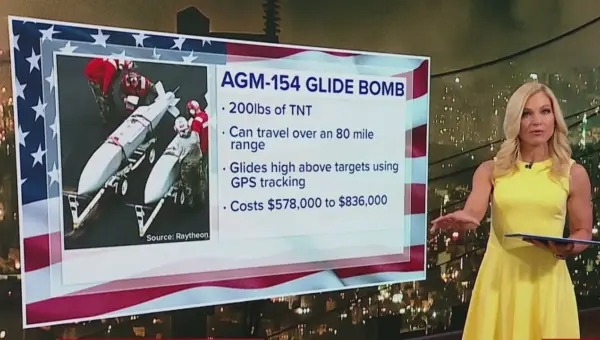
Iran War Costs Soar, Fueling Global Energy Price Hikes
The escalating war involving Iran, the U.S., and Israel has already cost over $11 billion, heavily impacting global energy markets. Missile strikes and drone warfare are driving up gas prices worldwide, with the Strait of Hormuz remaining a critical choke point.

Vance Fuels Fear: Nuclear Vest Claims Echo War-Mongering Tactics
Senator JD Vance's controversial "nuclear vest" claims about Iran are drawing sharp criticism, with many seeing echoes of past fear-mongering tactics used to justify war. The remarks raise questions about scientific feasibility and responsible communication of national security threats.
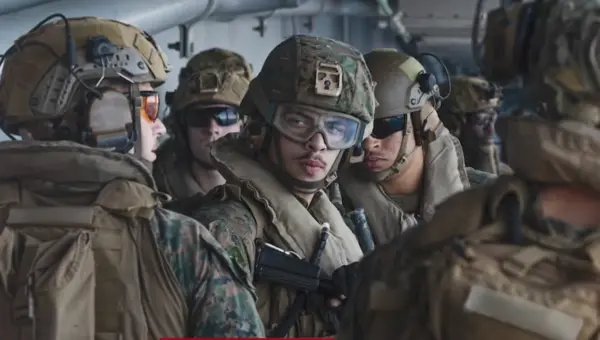
US Deploys Marines Amid Escalating Iran Conflict
The U.S. has deployed 3,500 Marines and sailors to the Middle East amid escalating tensions with Iran. This move signals preparedness for potential conflict, while diplomatic channels remain open through intermediaries like Pakistan.