Hegseth’s ‘Slam Poetry’ Performance Sparks Debate
Pete Hegseth's recent speech, dubbed 'military slam poetry,' has sparked debate about performative political rhetoric. Critics question if the intense delivery overshadows substance and contributes to media distrust.

Hegseth’s ‘Slam Poetry’ Performance Sparks Debate
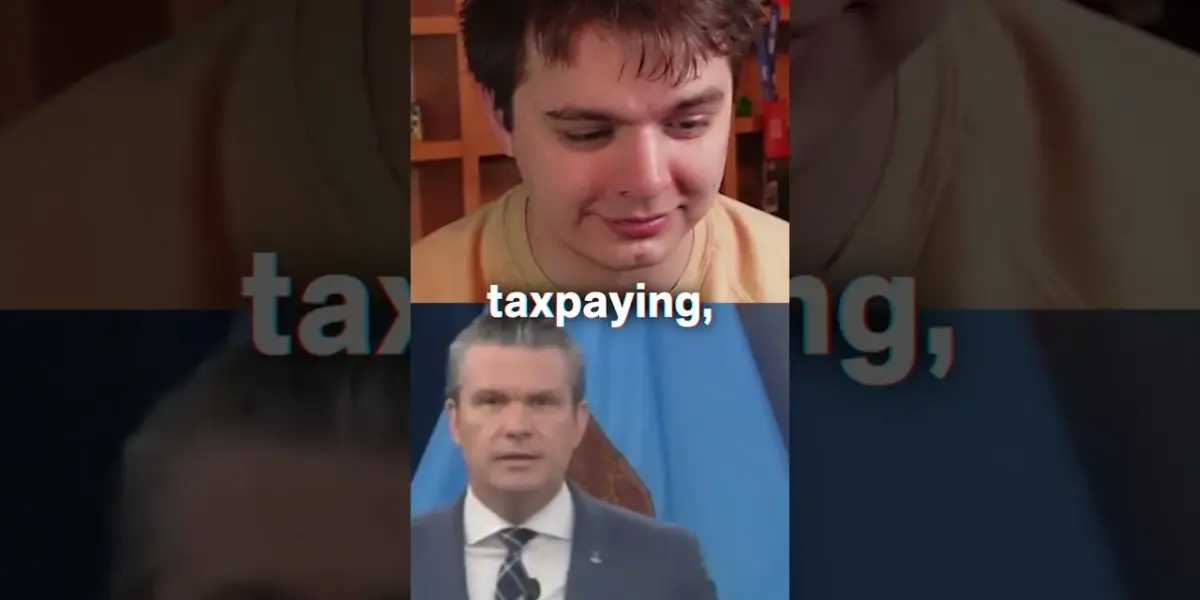
Pete Hegseth, a familiar face in political commentary, recently took to the stage for a speech that some observers have described as “military slam poetry.” This performance has drawn attention, not just for its content, but for its highly theatrical delivery. The style has been called out as performative, with one critic comparing it to a poem written by an AI about conflict.
Hegseth’s speech focused on a critique of the media, which he labeled as “dishonest and anti-Trump.” He argued that the press consistently works to downplay positive developments, exaggerate costs, and cast doubt on every action taken. He suggested that this behavior is deeply ingrained, stating that “TDS is in their DNA.” Trump Derangement Syndrome, or TDS, is a term often used to describe a strong, irrational dislike of Donald Trump.
He addressed his audience directly, identifying them as “good, decent, patriotic American people” and “hardworking, taxpaying, God-fearing American patriots.” This framing positions his supporters as the true audience, distinct from the reporters present. The speech’s style, however, has become a focal point of discussion. Critics describe it as “military slam poetry,” a phrase used to capture its intense and dramatic presentation.
The Nature of Political Performance
The description of Hegseth’s delivery as “slam poetry” highlights a broader trend in political communication. Slam poetry is known for its emotional intensity, rhythmic delivery, and often confrontational style. When applied to political speeches, it suggests a performance designed to evoke a strong emotional response rather than a calm, reasoned debate.
One viewpoint is that this style is highly performative. It aims to create a memorable and impactful moment, often using powerful imagery and language. The comparison to an AI-generated poem about war and destruction points to a concern that the rhetoric might be overly dramatic or even artificial, lacking genuine substance.
This approach can be effective in rallying a base and energizing supporters. It taps into strong emotions and creates a sense of shared identity among the audience. However, it can also alienate those who prefer a more measured and fact-based approach to political discourse. The focus shifts from policy details to emotional appeals and dramatic storytelling.
Historical Context of Political Rhetoric
The use of dramatic and emotionally charged language in politics is not new. Throughout history, leaders and orators have used powerful rhetoric to persuade and mobilize people. Thinkers like Cicero in ancient Rome or fiery preachers in later eras understood the power of performance in public speaking.
In the 20th century, figures like Winston Churchill used vivid language and a commanding presence to inspire a nation during wartime. More recently, political rallies have become stages for energetic speeches designed to connect with supporters on a visceral level. This type of communication often relies on strong contrasts, clear villains, and heroic portrayals.
The “slam poetry” style Hegseth employs can be seen as a modern iteration of these long-standing techniques. It adapts traditional oratory for a contemporary audience, possibly influenced by the attention economy of social media and cable news. The goal is to cut through the noise and make a lasting impression.
Why This Matters
The way political figures communicate shapes public perception and influences political discourse. When speeches adopt a performative, slam poetry-like style, it raises questions about the substance of the message. Is the focus on emotional impact overshadowing policy and reasoned argument? This approach can create echo chambers, reinforcing existing beliefs rather than fostering open dialogue.
Furthermore, the critique of the media as inherently biased is a significant theme. Hegseth’s framing encourages his audience to distrust established news sources. While media bias is a legitimate concern, the complete dismissal of all reporting can hinder informed decision-making. It makes it harder for citizens to access objective information needed to understand complex issues.
Implications and Future Outlook
The trend towards more performative political speech suggests a continued emphasis on personality and emotional connection over policy details. As communication platforms evolve, politicians may increasingly adopt styles that are attention-grabbing and easily shareable, like short, impactful video clips or highly stylized speeches.
This could lead to a political environment where authenticity is measured by performance rather than policy. It might also further polarize the electorate, as different groups respond to different communication styles. For voters, it means being more critical of how messages are delivered and ensuring that substance is not lost in the spectacle.
The “slam poetry” style, while perhaps effective for some audiences, also risks being perceived as lacking sincerity. The challenge for politicians will be to balance engaging delivery with credible substance. The public, in turn, faces the ongoing task of discerning genuine communication from mere performance in the political arena.
Source: Hegseth Goes Full “Slam Poetry” on Stage #politics #fyp #new (YouTube)

Related Articles
Pentagon Chief Blocks Black, Female Officers’ Promotions
Pentagon chief Pete Hegseth is reportedly blocking the promotions of four Army officers, two Black and two women, to one-star general. This decision follows reports of alleged discriminatory remarks made by a top aide to Secretary Hegseth regarding President Trump's comfort standing with Black female officers.
House Republicans Reject Senate Deal, Sparking Government Funding Clash
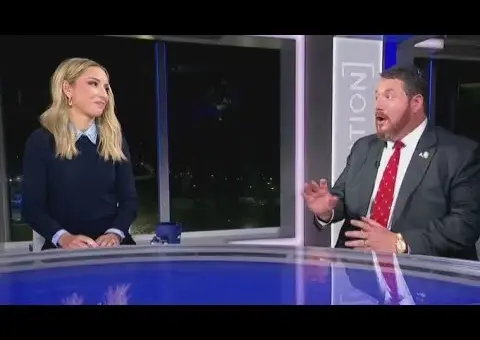
House Republicans have rejected a Senate bill to end the government shutdown, citing insufficient border security measures. Congressman Randy Fine called the Senate deal a "disgrace" and highlighted the ongoing fight for full government funding. President Trump's executive order to pay TSA agents offers temporary relief, but the core disagreement over border security continues to paralyze Washington.
Voter ID: Common Sense or Suppression?
A growing debate surrounds voter ID laws, with proponents calling them a common-sense measure against fraud and opponents fearing voter suppression. Many countries and U.S. states already require ID to vote.