Hegseth’s ‘Signalgate’ Fallout: No Consequences for Pentagon Leader
Defense Secretary Pete Hegseth has faced no significant consequences following the 'Signalgate' scandal, where sensitive war planning details were inadvertently shared. Reporting highlights a striking lack of accountability, with experts noting that such a breach would typically lead to severe disciplinary action for any other service member. This raises concerns about leadership, military discipline, and the potential reshaping of the Pentagon.

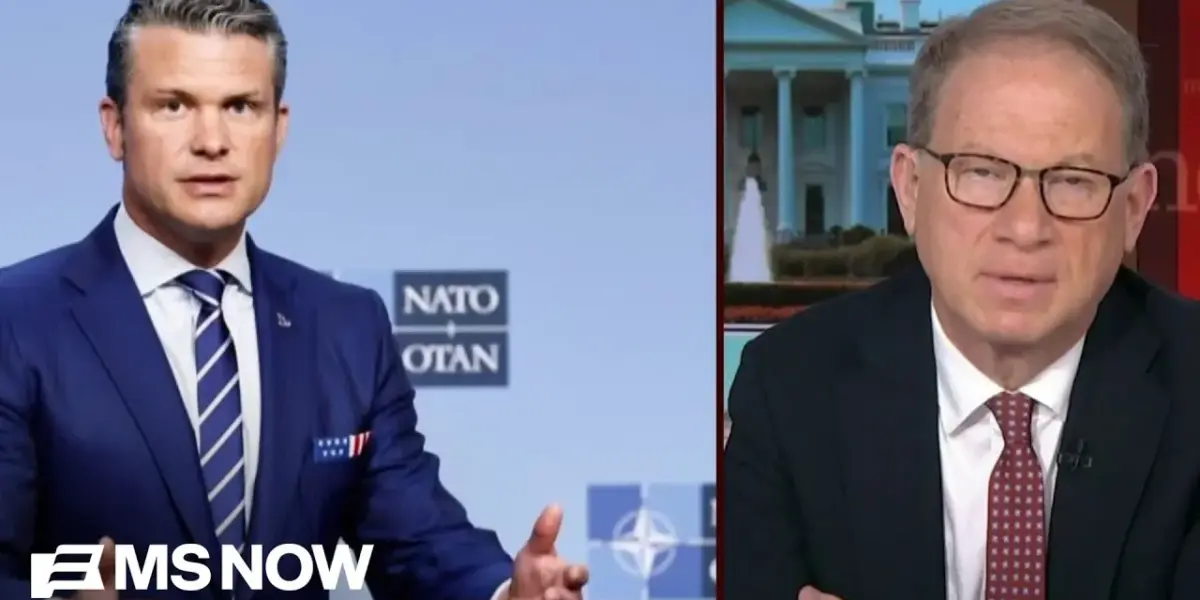
Pentagon Leader Escapes Repercussions in ‘Signalgate’ Scandal
Nearly a year after a national security scandal dubbed ‘Signalgate’ erupted, involving the inadvertent sharing of sensitive war planning details, Defense Secretary Pete Hegseth has faced no significant consequences. The incident, which began on a National Security Advisor’s cellphone, saw Hegseth place highly classified information into a war planning group chat. Despite strict regulations governing the handling of sensitive data, reporting reveals a striking lack of accountability within the administration.
‘Shocking but Not Surprising’ Lack of Accountability
Jeffrey Goldberg, in a new article for The Atlantic, details the events and his findings regarding the absence of repercussions for Hegseth. “What I’ve learned, or what really anyone could observe, and this goes into the category of shocking but not surprising, is that Pete Hegseth in particular, the secretary of defense, who obviously styles himself as the secretary of war, Pete Hegseth who placed in the chat information that anyone with common sense could see was highly secret, highly sensitive information. That he never suffered any consequences from doing this,” Goldberg stated.
Goldberg’s central argument highlights the stark contrast between Hegseth’s actions and the expected adherence to rules within the military. “Pete Hegseth is in charge of an institution, about three million people. They all have to, civilian and uniform, they all have to follow rules around everything, but including information, right? Classified information, secret information, sensitive information. If anyone else had done what he had done, they would have been court-martialed or fired or disciplined in some manner or form. But in this case, there have been no consequences whatsoever,” he explained.
A Dangerous Precedent for Military Discipline
The implications of this lack of accountability are significant, potentially undermining the discipline and trust within the armed forces. Goldberg emphasized the message this sends to service members at all levels. “People in the military know this, a private in the Army knows that if he misplaces his rifle, he might be court-martialed. Misplacing your rifle is bad. It’s not quite as bad as telling people in a commercial messaging app that we’re about to launch strikes on a hostile nation,” he observed, underscoring the severity of Hegseth’s breach compared to minor infractions that can lead to severe penalties for lower-ranking personnel.
Hegseth’s Growing Influence and Pentagon Reshaping
Beyond the immediate ‘Signalgate’ incident, Goldberg’s reporting points to Hegseth’s increasing empowerment and influence within the Pentagon. The article suggests that Hegseth is actively working to reshape the Department of Defense in alignment with his and the President’s vision. This includes strategic personnel decisions aimed at ensuring loyalty.
“What we do know is that there is plenty of people up and down the line in the United States military who don’t find Hegseth to be a serious wartime or peacetime leader. What we do find is that Hegseth is gradually, and sometimes not so gradually, moving people into positions that he knows will be loyal to him and to the president. He is trying to reshape the Pentagon more in his image,” Goldberg reported.
The article also notes the removal of the press corps from certain Pentagon briefings, an action Goldberg suggests is intended to reduce external scrutiny and accountability. “Obviously, they kicked out the press corps, as we all know, so that there’d be less accountability reporting going on about the Pentagon,” he stated.
A Climate of Fear and Loyalty Over Competence
Within the Pentagon, there appears to be a complex mix of skepticism and apprehension regarding Hegseth’s leadership. “There’s a lot of eye-rolling in the Pentagon, and there’s also a lot of fear of Hegseth in the Pentagon. People know that he will remove people who are very, very competent in their jobs simply if he doubts their loyalty,” Goldberg revealed.
Despite expectations that Hegseth might be an early departure from the administration, his ability to communicate effectively in a style favored by the President has seemingly bolstered his position. “Hegseth is a very able communicator in the style that Donald Trump likes. And as we know, the president grades people their performance on television and press conference and the like and Hegseth presents the way he wants to present,” Goldberg explained. This presentation style, coupled with his influence, positions him as a key figure, even as the Chairman of the Joint Chiefs of Staff manages the day-to-day military operations.
Looking Ahead: Trust and Future Leadership
The ‘Signalgate’ incident and its aftermath raise critical questions about leadership, accountability, and the integrity of sensitive information within the U.S. military. As Hegseth continues to wield significant influence, the long-term impact on military morale, discipline, and operational security remains a critical area to monitor. The extent to which competence and loyalty are balanced in future Pentagon appointments, and whether institutional rules will be applied equitably across all ranks, will be crucial indicators of the health of the nation’s defense establishment.
Source: Jeffrey Goldberg: Shocking but not surprising Hegseth faced no consequences over 'Signalgate' (YouTube)

Related Articles

Ukraine Empowers Businesses with Private Air Defense Units
Ukraine is expanding its air defense capabilities by allowing private businesses in critical sectors to form their own defense units. This initiative, building on a pilot program, trains employees to intercept drones and missiles using non-frontline military equipment, aiming to bolster resilience against Russian attacks.

Patel’s Purge: Iran Experts Fired, National Security Compromised
Reports suggest Kash Patel fired an entire counterintelligence team specializing in Iran, allegedly due to mishandling classified documents evidence. However, the lack of evidence points to political motivations, potentially compromising national security and U.S. intelligence capabilities.


Trump’s Iran Gambit: A Deep Dive into Motives and Mayhem
An analysis of Donald Trump's potential motives for military action against Iran, as discussed by national security expert Juliette Kayyem, reveals concerns about personal ambition and advisor influence overriding strategic planning. The piece explores the erosion of institutional integrity and the broader implications for democracy.