Hegseth Ousts Army Chief, Shakes Up Military Leadership
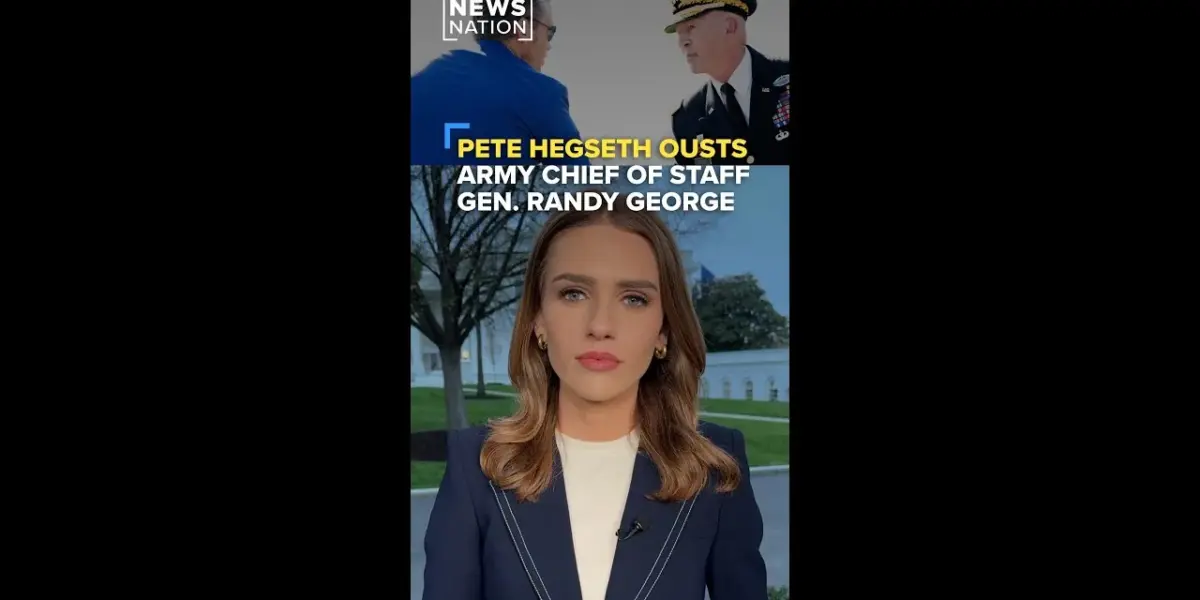
Secretary of War Pete Hegseth has removed Army Chief of Staff General Randy George, citing a loss of trust. Vice Chief Christopher LaNeve is expected to take over. This rare dismissal signals a significant assertion of civilian authority and could reshape U.S. military direction.

Hegseth Ousts Army Chief, Shakes Up Military Leadership
Secretary of War Pete Hegseth has removed General Randy George, the Army’s top general, from his position. General George, the 41st Chief of Staff of the Army, will retire immediately. This move signals a significant leadership change at the highest level of the U.S. Army.
Loss of Trust Cited in Dismissal
A defense official confirmed that Secretary Hegseth requested General George’s retirement. The official stated that Secretary Hegseth had lost trust and confidence in General George. This lack of trust was the primary reason for the abrupt leadership change. The decision was effective immediately, highlighting the urgency felt by the Secretary.
Vice Chief Poised for Top Role
The leadership change is expected to bring Vice Chief of Staff of the Army Christopher LaNeve into the top role. This transition suggests a preference for continuity in certain operational aspects while signaling a clear break from the previous leadership’s direction. The specific reasons for the loss of trust were not detailed by the defense official. However, such a drastic action typically follows serious disagreements or perceived failures in judgment or performance.
Broader Implications for Military Command
The sudden removal of a service chief is a rare event in U.S. military history. It underscores the Secretary of War’s ultimate authority over the armed forces. This action could set a precedent for future leadership transitions, potentially making them more susceptible to political influence or personal confidence assessments. The Army’s operational readiness and strategic planning could be affected by this change in command. Allies and adversaries alike will be watching closely for signs of instability or shifts in military policy.
Historical Context of Military Leadership Changes
Historically, U.S. military leaders serve fixed terms, but removal before the end of a term is uncommon. Such actions usually occur during times of significant national crisis or when there are profound disagreements over military strategy or conduct. For example, President Truman famously relieved General Douglas MacArthur during the Korean War due to insubordination and differing views on expanding the conflict. While the current situation with General George is less dramatic, it still represents a significant assertion of civilian control over the military. The specific context of Secretary Hegseth’s concerns remains private, but the outcome is a clear demonstration of his power.
Economic and Strategic Considerations
While the transcript does not detail specific economic or strategic reasons for the dismissal, leadership changes at this level can have indirect economic impacts. Military readiness and strategic direction influence defense spending, procurement decisions, and international arms trade. A shift in leadership might signal a change in priorities, such as focusing on different types of military modernization or adjusting troop deployments. These shifts can ripple through the defense industry and affect international security partnerships. The U.S. Army’s role in global security, including its involvement in ongoing conflicts and alliances, will be shaped by the new leadership’s vision.
Future Scenarios and Global Impact
The immediate future will likely see General LaNeve assume command, bringing his own strategic outlook to the Army. The long-term impact depends on Secretary Hegseth’s overall vision for the Army and his relationship with the new leadership. If this change is part of a broader restructuring or policy shift, it could significantly alter the Army’s global posture. Allies will seek reassurance that U.S. military command remains stable and predictable. Adversaries may see an opportunity to exploit perceived weaknesses or uncertainty. The effectiveness of the U.S. Army in deterring conflict and responding to crises will ultimately be tested under this new command structure.
Why This Reshapes the World Order
The removal of a service chief, especially one as high-ranking as the Army Chief of Staff, is a powerful statement. It demonstrates that civilian leadership, in this case Secretary Hegseth, holds absolute authority. This assertion of control can influence how other nations perceive the stability and direction of U.S. military power. It may signal a more interventionist or domestically focused approach to defense policy. Such shifts in major global powers can lead to realignments in international alliances and a re-evaluation of security commitments by other countries. The world order is built on predictable power, and sudden, significant changes in leadership within a key military branch can create uncertainty, prompting other nations to adjust their own strategic calculations.
Source: Pete Hegseth ousts Army Chief of Staff Gen. Randy George (YouTube)

Related Articles
US Weighs NATO Future Amidst Global Security Shifts
The U.S. is reportedly re-evaluating its commitment to NATO, with "everything on the table" regarding alliance contributions. Experts warn that leaving the current Iranian regime in power poses a "disastrous outcome" for global security and stability.
China’s Iran Gambit: A Risky Game of Two Faces
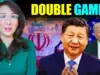
China's public calls for peace in the Iran conflict mask a private strategy of buying discounted oil, reports suggest. This "double game" now risks China's economy through rising oil prices and supply chain stress, potentially costing billions.

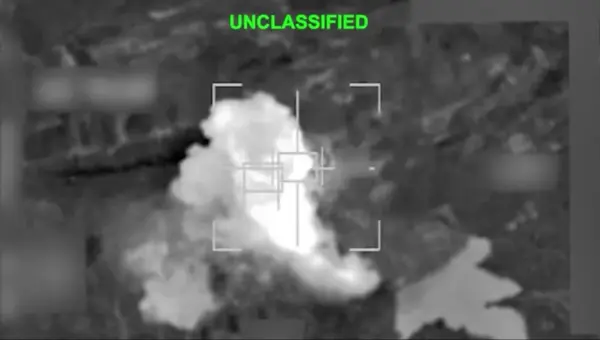
US Strikes Iran Hard: Is the War Shifting?
The US has significantly increased its military strikes against Iran, hitting over 12,300 targets. This action appears to be reducing Iran's attacks, but Tehran vows to continue supporting its regional allies. Meanwhile, President Trump's questioning of NATO adds another layer of global uncertainty.