Hegseth Confronts Reporter on Iran Ceasefire Claims
A recent exchange saw Pete Hegseth challenge a reporter's question about Iran's alleged ceasefire. Hegseth expressed deep skepticism, suggesting Iran might be deceiving others if attacks continue. The incident highlights ongoing debates about verifying peace agreements in complex geopolitical situations.


Hegseth Confronts Reporter on Iran Ceasefire Claims
A tense exchange unfolded recently when Fox News host Pete Hegseth questioned the validity of reported ceasefires involving Iran. The interaction highlighted deep skepticism about Iran’s commitment to peace agreements, especially when ongoing attacks are claimed.
The Reporter’s Question
The situation began when a reporter pressed a government official about Iran’s actions. Reports indicated that Iran had continued striking targets even as a ceasefire was supposedly in effect. The reporter asked a direct question: “At what point are we beyond a grace period? Are we giving them a grace period?” This question aimed to understand if the current situation was being mislabeled as a ceasefire when hostilities persisted.
Hegseth’s Interjection and Skepticism
Pete Hegseth, observing the exchange, interjected with pointed remarks. He seemed to interpret the reporter’s direct question as rudeness, asking, “Why are you so rude?” He then offered a sarcastic take on the situation, suggesting Iran would need to find creative ways to inform its troops about a ceasefire. “Iran would be wise to find a way to get the carrier pigeon to their troops out in remote locations to know not to shoot any longer,” he stated.
Hegseth’s core argument was that a true ceasefire means an end to all hostile actions. He expressed strong doubt about Iran’s claims, stating, “If you’re going to claim that you’re in a ceasefire with the other side, yet the other side still has groups and factions firing ballistic missiles at Israel and other surrounding countries, then I do not think you are in a ceasefire.” He believed that accepting such a deal, while attacks continued, could mean being deceived.
The Nuance of Ceasefires
The exchange brings up a critical point in international relations: how to verify and enforce ceasefires. Often, agreements are made at a high political level, but control over all military factions on the ground can be difficult. This can lead to situations where reported ceasefires are technically in place, but isolated incidents or actions by rogue elements continue.
In the context of Iran and its regional influence, such complexities are common. Iran supports various groups and militias in the Middle East. Whether these groups always follow directives from Tehran precisely is a subject of ongoing debate and intelligence assessment.
Historical Context
The idea of ceasefires and their potential for being broken is not new. Throughout history, from the armistices of World War I to modern-day conflicts, the path to lasting peace is often littered with broken promises and violations. The challenge lies in the gap between stated intentions and actual actions on the ground.
For decades, the Middle East has been a region where such fragile agreements are constantly tested. The complexities of proxy warfare, regional rivalries, and internal political dynamics mean that ceasefires are frequently temporary respites rather than permanent solutions. Skepticism, therefore, is often a default position for observers and participants alike.
Why This Matters
This incident matters because it highlights the critical need for clear communication and verifiable actions in international diplomacy. When one side claims a ceasefire while the other continues to report attacks, it erodes trust. This lack of trust can quickly escalate tensions and make future peace efforts far more difficult.
The reporter’s question was not about rudeness; it was about seeking clarity on a potentially misleading situation. Hegseth’s response, while perhaps intended to be forceful, underscores a broader public and political concern: the challenge of holding nations accountable for their actions, especially when dealing with complex geopolitical actors like Iran.
Implications and Future Outlook
The implications of such exchanges extend beyond a single news report. They influence public perception and can affect policy decisions. If skepticism about Iran’s intentions remains high, it could lead to continued military posturing and a reluctance to engage in deeper diplomatic solutions.
Moving forward, the international community faces the ongoing challenge of developing more robust mechanisms for monitoring and enforcing ceasefires. This requires not only agreements between governments but also reliable ways to ensure that all parties, including non-state actors influenced by them, adhere to the terms. The ability to distinguish between deliberate violations and isolated incidents will be key to making progress toward genuine stability in the region.
Source: Hegseth Snaps at Reporter Over Iran Ceasefire #politics #fyp #new (YouTube)

Related Articles

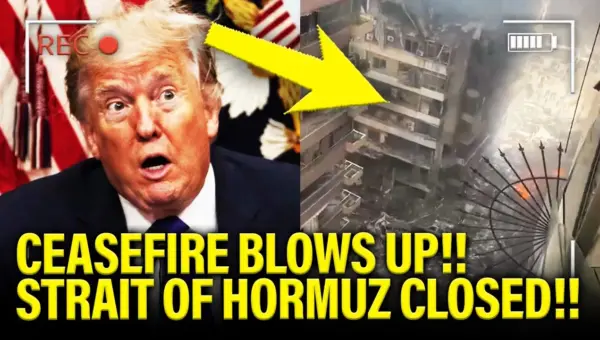
Trump’s Iran Deal Collapses Amidst Escalating Violence
A supposed ceasefire agreement involving Iran, brokered with the apparent acceptance of Donald Trump, is rapidly unraveling. Just as quickly as it was announced, the deal is showing signs of failure, leading to renewed conflict and criticism. The situation highlights the complexities of international diplomacy and the challenges of achieving lasting peace in volatile regions.

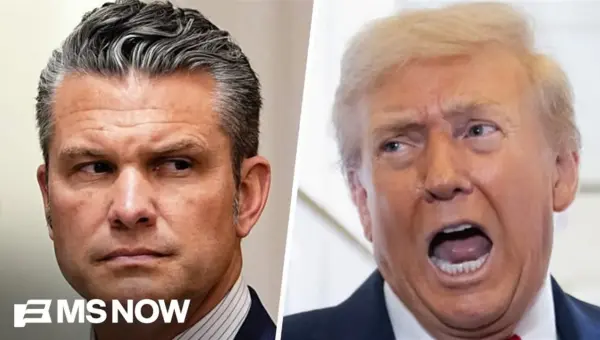
US Claims Victory in Iran Conflict, Experts Skeptical
The U.S. has declared victory in its recent conflict with Iran following a two-week ceasefire, but experts question the true extent of this success. Key demands from Iran, including control over the Strait of Hormuz and the right to enrich uranium, remain major sticking points in potential negotiations. Despite the ceasefire, ongoing hostilities and Iran's continued influence raise doubts about lasting peace.

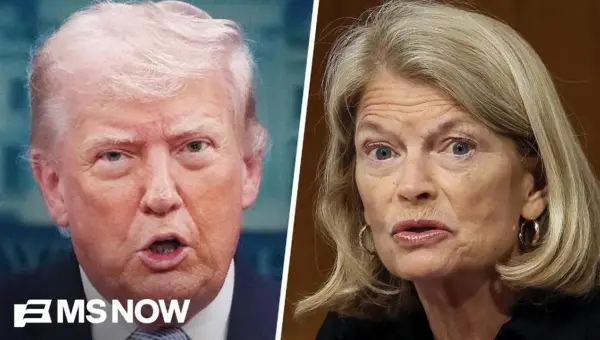
Murkowski Condemns Trump’s Iran Threat: ‘Cannot Be Excused’
Senator Lisa Murkowski condemned President Trump's threat against Iran as "inexcusable," joining a chorus of Democratic calls for his removal. While some Republicans express relief over a ceasefire, others question the long-term diplomatic impact of Trump's aggressive language.