Hegseth, Caine Address Press Amid Mideast Tensions
Secretary of War Pete Hegseth and Chairman of the Joint Chiefs of Staff Gen. Dan Caine held a critical press briefing at the Pentagon, addressing global security concerns. The discussion heavily focused on the volatile situation in the Middle East, with particular attention to Iran.

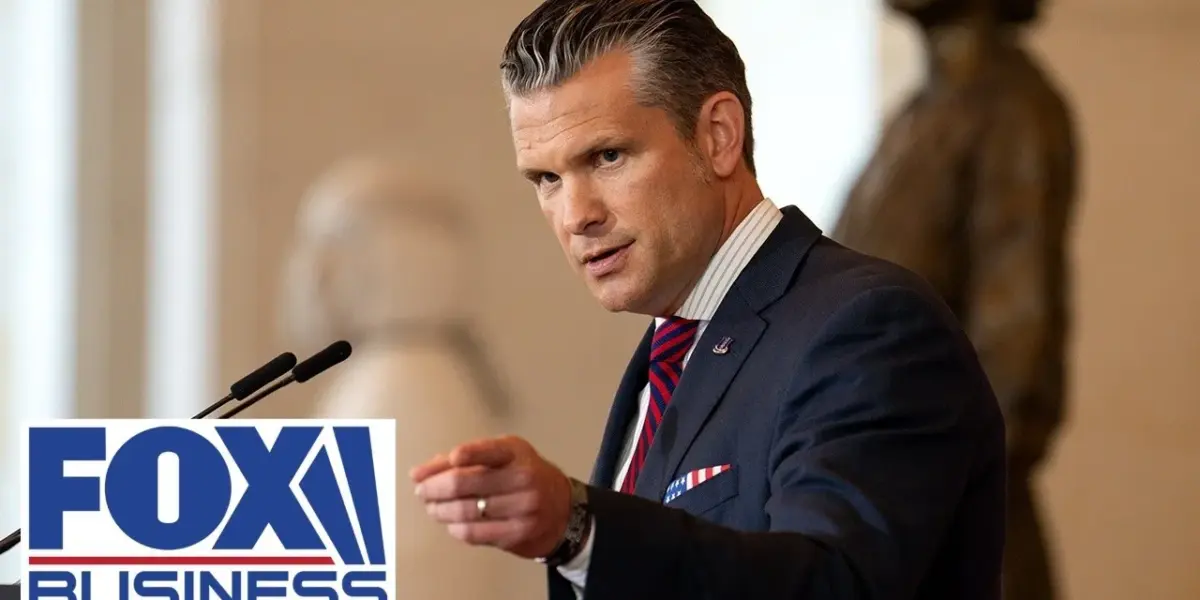
Pentagon Briefing: War Secretary and Joint Chiefs Chair Speak on Global Security
WASHINGTON D.C. – In a significant press briefing held at the Pentagon on [Insert Date of Briefing Here], Secretary of War Pete Hegseth and Air Force General Dan Caine, Chairman of the Joint Chiefs of Staff, addressed the nation and the international community on pressing matters of global security. The joint appearance underscored the administration’s focus on current geopolitical challenges, particularly those in the Middle East, and provided insights into the military’s strategic posture.
Key Announcements and Strategic Outlook
While the transcript provided is brief, indicating a live press conference, the presence of both the Secretary of War and the Chairman of the Joint Chiefs of Staff signifies the gravity of the topics discussed. Typically, such briefings cover a range of critical issues including ongoing military operations, international relations, defense policy updates, and responses to emerging threats. The mention of “War Sec. Hegseth, Gen. Caine speak to press” in the video title, coupled with the hashtags suggesting topics like “#war,” “#iran,” and “#middleeast,” strongly indicates that regional security and potential conflicts were central to the discussion.
Secretary Hegseth, as the civilian leader of the Department of War, is responsible for policy formulation and the overall direction of the nation’s armed forces. His remarks would likely have focused on the strategic objectives and the political implications of military actions or deployments. General Caine, as the highest-ranking military officer, would have provided the operational and tactical perspective, detailing the readiness of U.S. forces and the military’s capabilities in addressing complex security environments.
Focus on the Middle East and Iran
The inclusion of “#iran” and “#middleeast” in the video’s metadata points towards a significant portion of the briefing being dedicated to the volatile situation in that region. Tensions in the Middle East are frequently driven by a confluence of factors, including regional rivalries, the threat of terrorism, and the ongoing geopolitical maneuvering involving major global powers. Iran’s role in regional instability, its nuclear program, and its support for various proxy groups have been consistent concerns for U.S. foreign policy and military planning.
Discussions at such a high level could have touched upon:
- The current status of U.S. military presence and posture in the Middle East.
- Intelligence assessments regarding potential threats from Iran and its affiliates.
- Diplomatic efforts and military contingency planning in response to escalating tensions.
- The impact of recent events on regional stability and international security alliances.
Broader Implications for Global Security
Briefings involving the Secretary of War and the Chairman of the Joint Chiefs of Staff often have far-reaching implications, influencing not only military readiness but also diplomatic strategies and public perception. The messages conveyed can shape the expectations of allies, deter potential adversaries, and inform domestic policy debates. In an era of complex and interconnected global challenges, the coordinated communication from top defense officials serves to project strength, clarity, and resolve.
The Pentagon, as the headquarters of the U.S. Department of Defense, is the nerve center for military operations worldwide. Press conferences from this location, especially those featuring the principal defense leaders, are closely scrutinized by international observers, foreign governments, and the defense industry. The insights provided offer a window into the administration’s priorities and its approach to safeguarding national interests and promoting global stability.
What to Watch Next
Following this briefing, attention will likely remain fixed on the Middle East for any developments that corroborate or diverge from the statements made by Secretary Hegseth and General Caine. Analysts will be dissecting the language used, looking for subtle shifts in policy or emphasis. Further statements from the Department of War, the State Department, or actions taken by U.S. military forces in the region will be key indicators of the path forward. The international community will also be observing the reactions of allies and adversaries to the Pentagon’s messaging.
Source: WATCH LIVE: War Sec. Hegseth, Gen. Caine speak to press (YouTube)

Related Articles

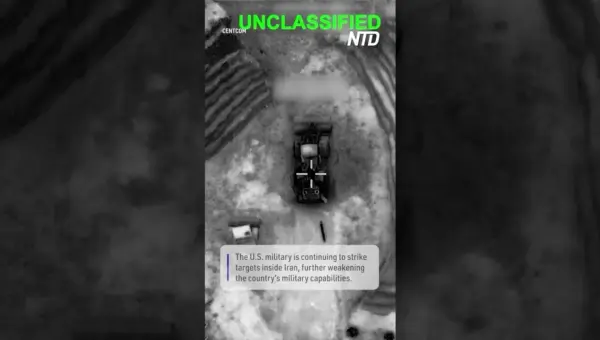
US Strikes Cripple Iran’s Military Might, CENTCOM Reports
U.S. Central Command reports ongoing strikes inside Iran are significantly weakening its military power. This direct action aims to reshape regional security dynamics, but carries risks of escalation. The long-term impact depends on Iran's response and ability to adapt.
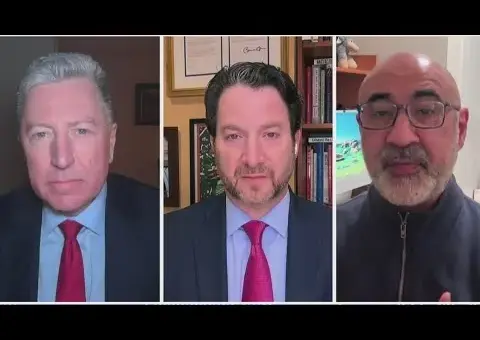
U.S. Iran Tensions Rise Amid Shifting Alliances
Rising tensions between the U.S. and Iran are creating a volatile geopolitical situation. With conflicting signals on de-escalation and potential shifts in alliances like NATO and U.S.-Israel relations, the path forward remains uncertain. The global economy and regional stability hang in the balance.


Iran Targets US With Cyberattacks, Escalating Digital Warfare
Iran is increasingly using cyberattacks to challenge the U.S., as seen in a recent hack of the FBI director's account. Experts say this is a strategic shift due to Iran's limitations in conventional warfare. The U.S. needs to strengthen its digital defenses, focusing on encryption and cloud computing, rather than solely relying on traditional security measures.