Healthcare Costs Force Millions to Skip Meals, Delay Care
Millions of Americans are making dire choices between affording food and essential medical care, according to a new survey. The high cost of healthcare is forcing individuals to delay treatments and skip basic necessities, creating a cycle of worsening health and financial strain.


Healthcare Costs Force Millions to Skip Meals, Delay Care
A stark new reality is unfolding across America, where the escalating cost of healthcare is forcing millions to make agonizing choices between their well-being and basic necessities. A recent survey from the West Health Gallup Center on Health Care reveals a disturbing trend: a significant portion of the population is compelled to forgo food, delay essential medical treatments, and postpone critical life events simply to afford medical bills.
The Grim Calculus of Affordability
The survey’s findings are sobering. Roughly one-third of respondents, a figure that translates to over 82 million Americans, reported cutting back on at least one daily living expense to cover their healthcare costs. This isn’t a problem confined to the economically disadvantaged; even middle and upper-middle-class individuals are grappling with decisions such as reducing utility usage, driving less, and even resorting to borrowing money to manage their medical expenses.
The ripple effects of these high costs extend far beyond immediate financial strain. Tens of millions of Americans are delaying major life decisions and necessary medical interventions. Over a quarter of those surveyed admitted to postponing surgical or medical treatments. Furthermore, 14% have put off buying a new home, and nearly 10% have delayed their retirement plans. This paints a picture of a nation where financial anxieties tied to health are fundamentally altering life trajectories.
A Vicious Cycle of Preventable Illness
The core of the problem, as highlighted by the survey, is a deeply flawed system that incentivizes delayed care, ultimately leading to more expensive and extensive medical needs. The transcript points out a counterintuitive phenomenon: Americans use more healthcare not because they are inherently sicker, but because the system makes it prohibitively expensive to access basic, preventative care. The logic follows that if an initial doctor’s visit or a minor procedure is too costly, individuals will delay seeking help. This often transforms manageable issues into severe, life-threatening conditions.
People are not eating because they can’t afford to both eat and go to the doctor. People aren’t taking their medicine because they can’t afford to both live and take their medicine.
Consider the example of a nagging knee issue. An affordable initial visit might have led to a simple treatment. However, if that visit is avoided due to cost, the condition can worsen, potentially requiring a costly knee replacement. Similarly, a small, easily removable lump could, if ignored, progress to advanced cancer requiring extensive chemotherapy and multiple surgeries. The initial cost of preventative care, which is often a fraction of the price, is bypassed, leading to a cascade of much larger, more complex, and ultimately more expensive medical interventions down the line.
The Car Analogy: Neglecting Maintenance Leads to Ruin
This dynamic is aptly compared to vehicle maintenance. An oil change, while not inexpensive, is a relatively minor cost compared to the thousands of dollars required to repair catastrophic engine damage caused by neglecting regular maintenance. The same principle applies to human health. Failing to undergo regular check-ups and preventative screenings means that potential problems are missed, conditions can fester, and decay sets in. This neglect inevitably leads to a greater demand for healthcare services when the issues become undeniable and far more severe.
Historical Context and the Wealthy Elite
This predicament is not new; it has been a growing concern for decades. The transcript links this ongoing crisis to a broader societal narrative often promoted by the wealthy elite. It suggests that while some may proclaim the United States as the greatest nation on Earth, the reality for many is a struggle for basic survival. The critique is leveled against a segment of the wealthy, often those in positions of influence, who advocate for policies that maintain the status quo while simultaneously telling less affluent citizens to be grateful for limited resources.
The implication is that this narrative serves to keep the populace compliant and supportive of a system that benefits the wealthy at the expense of the general population’s health and financial stability. The argument posits that by keeping healthcare costs high and access limited, the wealthy elite not only profit but also maintain a form of control, ensuring that the majority remain dependent and less able to challenge the existing power structures.
Why This Matters
The implications of this healthcare affordability crisis are profound and far-reaching. It speaks to a fundamental issue of social equity and the right to health. When individuals are forced to choose between food and medicine, it indicates a systemic failure to provide basic human needs. This not only impacts individual health outcomes but also has broader consequences for public health, economic productivity, and social stability.
The trend suggests a widening gap between the wealthy and the rest of the population, where access to healthcare—a fundamental determinant of quality of life—is increasingly stratified by income. This could lead to a less healthy, less productive workforce and a society burdened by preventable illnesses and chronic conditions.
Trends and Future Outlook
The current trajectory indicates a continued struggle for affordability unless significant policy changes are enacted. The reliance on a system where preventative care is a luxury rather than a right is unsustainable. Future outlooks will likely depend on political will and public pressure to address the root causes of high healthcare costs, such as drug pricing, administrative overhead, and the complex pricing structures within the industry.
Without systemic reform, the cycle of delayed care, worsening health, and increased costs is likely to persist, further exacerbating economic inequality and undermining the well-being of millions. The conversation needs to shift from merely managing the symptoms of this crisis to addressing its underlying causes, ensuring that healthcare is accessible and affordable for all Americans, not a privilege reserved for the few.
Source: Struggling Americans Forced To Skip Meals To Afford Healthcare (YouTube)

Related Articles

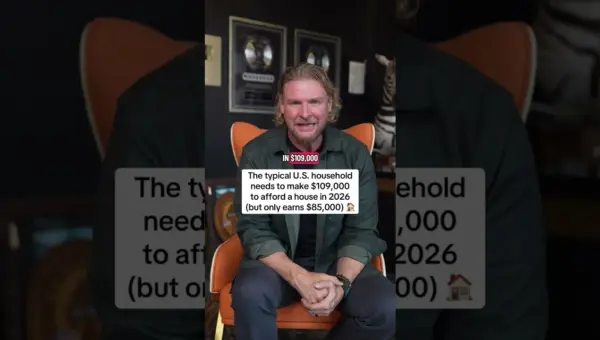
Home Affordability Crisis: Buyers Demand Falls
The typical American household needs $109,000 to afford a home, but only earns $85,000, creating a major affordability crisis. This demand slowdown echoes past market downturns and presents challenges for buyers and opportunities for investors.

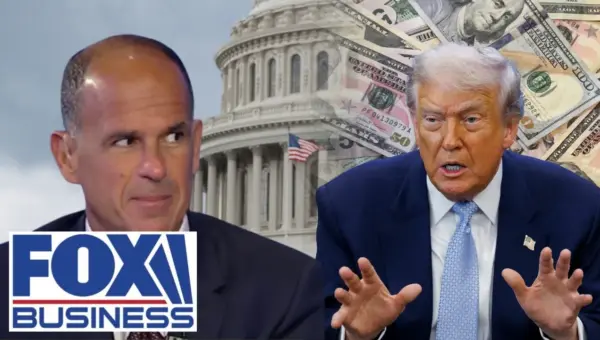
Affordability Tops Voter Concerns, Lemonis Advises GOP
Business expert Marcus Lemonis argues that affordability is the paramount issue for voters, urging political parties, especially Republicans, to center their messaging on this concern. He advises against downplaying economic challenges and stresses the urgency for clear solutions as elections near.


Home Prices Soar Past Incomes: Is A Bubble Brewing?
The U.S. housing market is showing alarming signs of overvaluation, with home prices now costing nearly 4.2 times the average income. This disconnect, comparable to pre-2006 bubble levels, is making homeownership unaffordable for many. Experts warn that certain areas are up to 40% overvalued, urging buyers and investors to check local metrics.