Heal Religious Trauma: Find Peace by Questioning Beliefs
Heal from religious trauma by safely questioning and deconstructing harmful beliefs. This journey empowers individuals to rebuild a healthier spirituality and find inner peace. Seeking support is a key step in overcoming spiritual abuse.

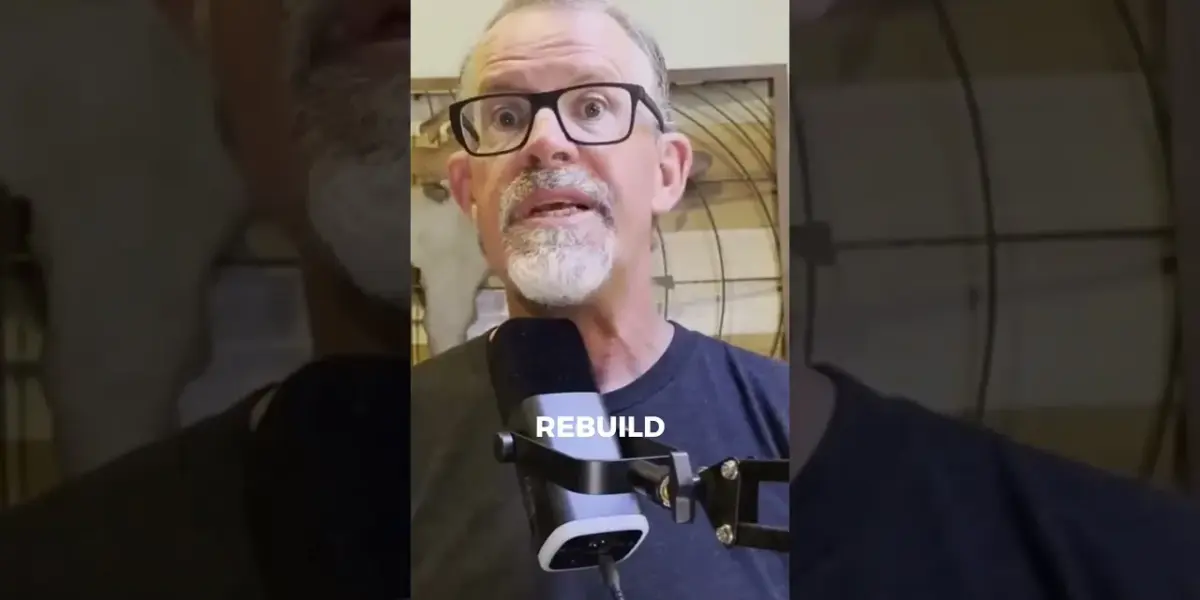
Heal Religious Trauma: Find Peace by Questioning Beliefs
Many people seek healing from religious trauma, finding that questioning long-held beliefs is a vital step. A significant portion of individuals experiencing spiritual abuse need a safe space to process these experiences. This journey allows them to challenge what they learned during their upbringing and begin rebuilding a healthier sense of spirituality.
Religious trauma can stem from various forms of spiritual abuse. These experiences can leave deep wounds, making it difficult for individuals to move forward. Recognizing the need for specialized support, some therapists have developed programs designed to help people navigate these complex issues. These programs offer a safe environment to explore doubts and past teachings.
Understanding Religious Trauma
Religious trauma refers to the psychological distress experienced by individuals who have been harmed by religious beliefs, practices, or communities. This harm can manifest in many ways, including guilt, shame, fear, and difficulty forming healthy relationships. It often involves an imbalance of power, where religious leaders or institutions exert undue influence over followers.
For those who have experienced spiritual abuse, the path to healing involves deconstructing the harmful aspects of their religious upbringing. This means carefully examining the teachings they received and understanding which ones may have caused distress. It is not about abandoning all spiritual beliefs but rather about discerning what is healthy and what is not.
The Power of Asking Questions
A crucial element in overcoming religious trauma is the permission to ask questions. Many religious upbringings discourage questioning, labeling it as doubt or disobedience. However, for survivors of religious trauma, questioning is a powerful tool for healing. It allows them to explore different perspectives and realize that they may have been taught inaccurately.
When individuals are given the freedom to challenge their religious teachings, they can begin to see them in a new light. This process can be liberating, helping them understand that their past experiences do not define their future. It empowers them to reclaim their own narrative and build a spirituality that aligns with their values and well-being.
Rebuilding a Healthier Spirituality
The journey from religious trauma to healing often involves rebuilding a healthier spirituality. This is not about replacing one dogma with another. Instead, it is about cultivating a personal connection to something larger than oneself that is based on love, acceptance, and personal growth. This can involve exploring various spiritual or philosophical paths.
Finding a supportive community or a therapist specializing in religious trauma can be incredibly beneficial. These resources provide validation and guidance as individuals work through their experiences. The goal is to move towards a place of inner peace and wholeness, free from the damaging effects of past religious harm.
Who Can Benefit?
This information is particularly relevant for individuals who grew up in strict religious environments, experienced spiritual abuse, or feel conflicted about their religious upbringing. It applies to people of all ages who are seeking to understand and heal from the negative impacts of their religious experiences. If you feel that your religious past is causing you distress, exploring these concepts may be a helpful part of your healing journey.
Key Health Takeaways
- Religious trauma is real and can significantly impact mental well-being.
- Creating a safe space to question religious teachings is essential for healing.
- Challenging harmful beliefs helps deconstruct past teachings and allows for personal growth.
- Rebuilding a healthier spirituality focuses on personal values, love, and acceptance.
- Seeking support from therapists or communities experienced in religious trauma can aid recovery.
This article is for informational purposes only and does not constitute medical advice. It is essential to consult with a qualified healthcare professional or therapist for any health concerns or before making any decisions related to your health or treatment.
Source: Religious trauma: You are allowed to ask questions. (YouTube)

Related Articles
Immigration Debate Ignites Over Campus Killing
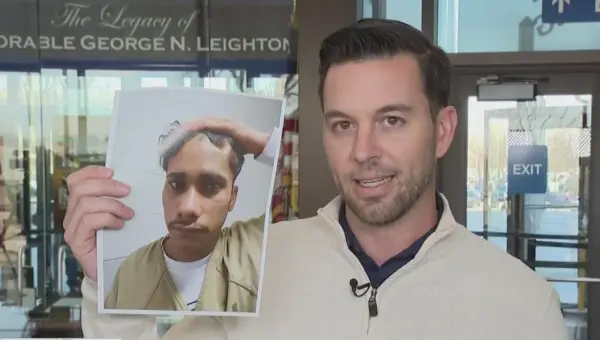
The detention hearing for Jose Medina, accused of murdering Loyola student Sheridan Gorman, has ignited a debate over immigration and mental capacity. Medina, an undocumented immigrant, will remain in custody. His defense cited head trauma and developmental delays, requesting jail time to prevent deportation and ensure due process.
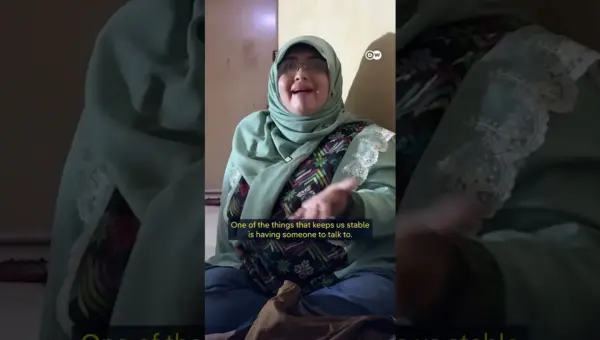
Indonesia Mental Health Centers Accused of Abuse, Survivors Speak Out
Survivors of Indonesian mental health facilities are speaking out about horrific abuse, including torture, sexual assault, and neglect. Organizations investigating the claims have documented over 200 cases, highlighting a widespread problem in institutions meant for care. The accounts reveal a critical failure to protect the rights and dignity of vulnerable patients.


Meta’s Design Fuels Teen Pain, Mother Claims
A mother blames Meta's platform design for her daughter's death, arguing that features intentionally hook vulnerable teens. She claims algorithms amplify pain and targeted ads worsen low self-esteem. This raises global concerns about social media's impact on youth mental health.