Heal Past Trauma: Break Free From Unhealthy Relationship Patterns
Discover why you might be attracted to people who ignore you. This article explores the link between complex childhood trauma and unhealthy relationship patterns, offering insights and strategies for healing and fostering healthier connections.

Heal Past Trauma: Break Free From Unhealthy Relationship Patterns
Many people find themselves repeatedly drawn to partners who seem to dismiss them, are emotionally unavailable, or simply don’t pay attention. This isn’t just bad luck; it’s often a deeply ingrained pattern stemming from childhood experiences, particularly complex trauma. Understanding this connection is the first step toward fostering healthier, more fulfilling relationships.
The Roots of Unhealthy Attraction
For individuals who experienced complex trauma, a common thread is a lack of feeling heard or validated during childhood. This can lead to the development of unhealthy relationship patterns that persist into adulthood. Essentially, we tend to be attracted to people who mirror the dynamics we grew up with. This can manifest as:
- Partners who dismiss your feelings or opinions.
- Individuals who make you feel unintelligent or foolish.
- Emotionally unavailable partners who struggle with intimacy.
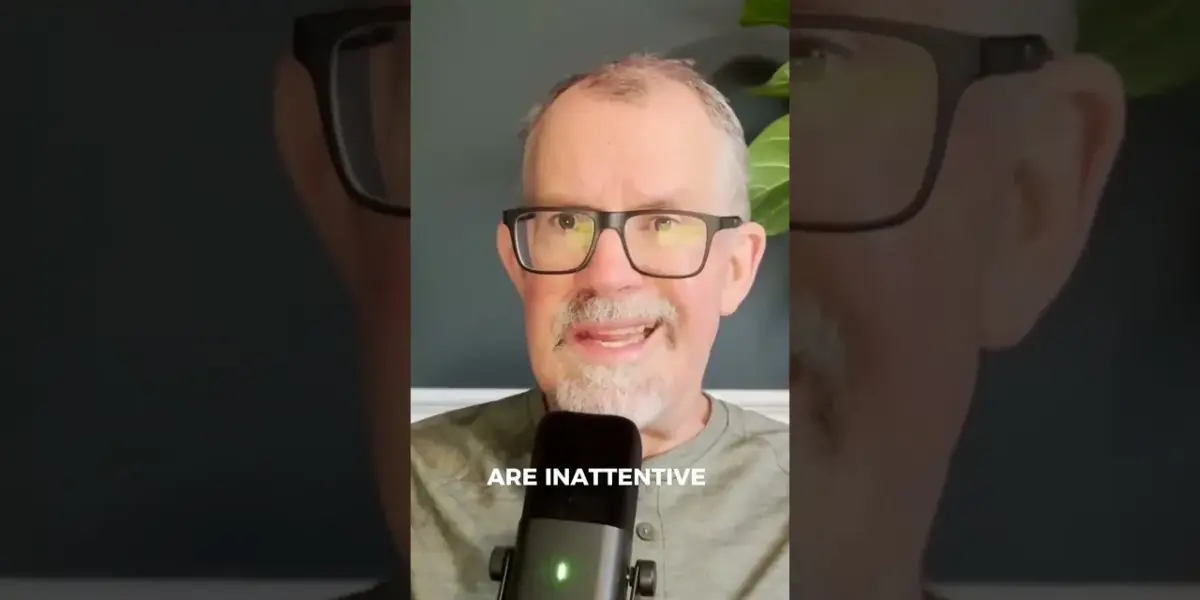
- People who are inattentive when you speak or express yourself.
While these dynamics can be painful and detrimental, they can also feel strangely familiar. This familiarity, rooted in early life experiences, can create a subconscious pull towards these types of relationships, even when they are harmful. This repetition doesn’t heal the original wound; instead, it tends to re-open it, perpetuating a cycle of hurt and disappointment.
Understanding Complex Trauma
Complex trauma, also known as complex post-traumatic stress disorder (C-PTSD), typically arises from prolonged and repeated exposure to overwhelming adverse experiences, often occurring in childhood. Unlike single-incident trauma (like a car accident), complex trauma involves ongoing relational and developmental disruptions. These experiences can profoundly shape an individual’s sense of self, their ability to form attachments, and their expectations of relationships.
When core needs for safety, attachment, and validation are not met during critical developmental periods due to complex trauma, individuals may develop coping mechanisms and internal working models that prioritize survival over healthy connection. These models can become so deeply ingrained that they dictate future relationship choices, often unconsciously.
Breaking the Cycle
Recognizing that your attraction patterns might be linked to past trauma is a significant breakthrough. It allows you to shift from blaming yourself or others to understanding the underlying causes. The goal is not to replicate past experiences but to heal them.
Strategies for Healing and Change:
- Self-Awareness: Pay attention to the types of people you are consistently drawn to. What are the recurring themes in your relationships? Journaling about your feelings and observations can be very helpful.
- Therapy: Working with a therapist, particularly one experienced in trauma-informed care, is crucial. Therapies like Eye Movement Desensitization and Reprocessing (EMDR), Dialectical Behavior Therapy (DBT), or Schema Therapy can help process traumatic memories and reframe unhealthy core beliefs.
- Developing Healthy Boundaries: Learning to set and maintain boundaries is essential. This involves recognizing what is acceptable behavior from others and communicating your needs clearly.
- Building Self-Esteem: Trauma can erode self-worth. Focusing on activities that build self-esteem, such as pursuing hobbies, learning new skills, or engaging in self-care, can be empowering.
- Practicing Self-Compassion: Be kind to yourself during this process. Healing from trauma and changing ingrained patterns takes time and effort.
- Seeking Healthy Connections: Actively seek out relationships that are built on mutual respect, open communication, and emotional availability. This might involve joining groups with shared interests or consciously choosing partners who exhibit these qualities.
Who This Information Applies To
This information is particularly relevant for individuals who have experienced complex trauma, especially during childhood. This includes survivors of abuse, neglect, dysfunctional family environments, or other forms of prolonged adversity. It can also be beneficial for anyone who finds themselves stuck in repetitive, unhealthy relationship cycles, even if they don’t identify their past experiences as severe trauma.
Important Disclaimer
The information provided in this article is for educational purposes only and does not constitute medical advice. If you are struggling with complex trauma or unhealthy relationship patterns, it is essential to consult with a qualified healthcare professional or therapist. They can provide personalized guidance and support tailored to your specific needs.
Source: Why you’re attracted to people who ignore you. (YouTube)

Related Articles

Heal Religious Trauma: Find Peace by Questioning Beliefs
Heal from religious trauma by safely questioning and deconstructing harmful beliefs. This journey empowers individuals to rebuild a healthier spirituality and find inner peace. Seeking support is a key step in overcoming spiritual abuse.

Balance Work and Rest for Better Health and Recovery
Discover how complex trauma can impact your relationship with work and rest, and learn practical strategies to find a healthy balance. This article explores the five types of rest and offers actionable advice for rejuvenation and well-being.


Stop Being the ‘Good Kid’: How People-Pleasing Hurts You
Learn how the 'good kid' syndrome, or fawning, can negatively impact your adult life. Discover why people-pleasing develops and how to break free for healthier relationships and well-being.