Hayes: Trump’s Iran War Plans Are Morally Wrong
Chris Hayes has strongly condemned potential US military action against Iran, labeling it morally reprehensible and illegal. He argues that such a conflict violates international law and ethical principles, urging for public opposition. Hayes's commentary highlights the critical need for discourse and accountability in foreign policy decisions.

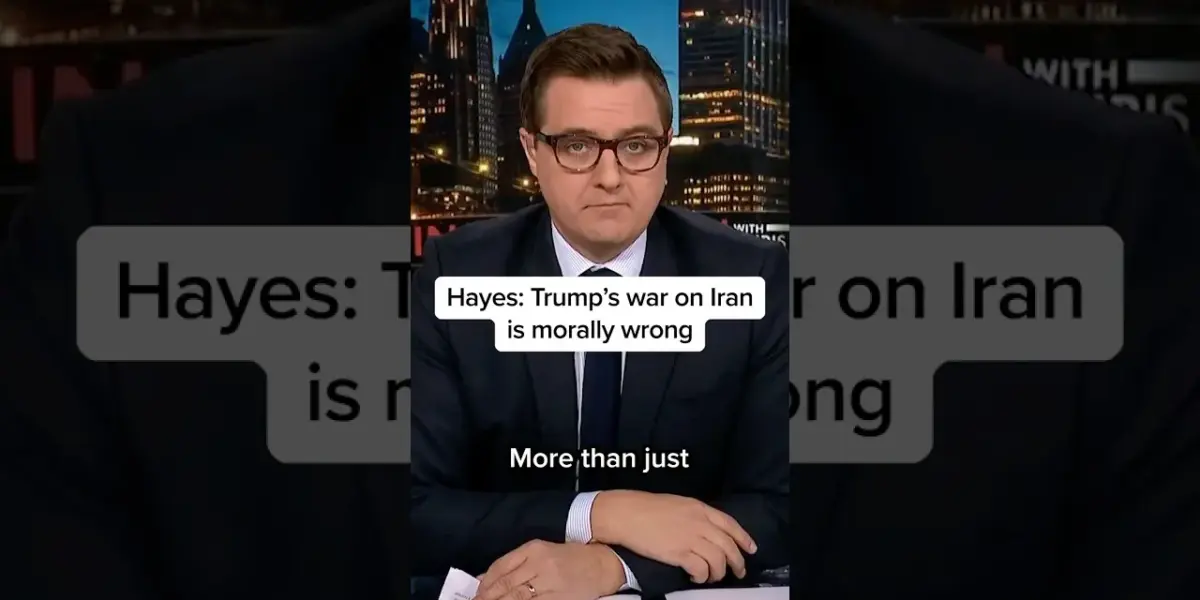
Hayes Condemns Potential Trump War on Iran as Morally Reprehensible
Chris Hayes, a prominent voice in political commentary, has sharply criticized any potential military action by the Trump administration against Iran, labeling it not only illegal but also morally wrong. Hayes asserted that such a conflict, regardless of its constitutional or international legal standing, is fundamentally unethical and should be unequivocally opposed. “All of this may sound obvious, but it must be said,” Hayes stated, emphasizing the critical need to voice opposition to what he perceives as a morally bankrupt course of action.
Legal and Ethical Objections to Military Escalation
Hayes’s critique extends beyond the ethical dimension, encompassing significant legal concerns. He argues that any unilateral military engagement with Iran by the United States would be in violation of both domestic constitutional law and established international legal frameworks. The implications of such a conflict, he suggests, are dire and far-reaching, potentially destabilizing an already volatile region and leading to widespread human suffering. The assertion that the war is “very clearly illegal under international law” points to potential violations of treaties, customary international law, and the UN Charter, which generally prohibits the use of force against the territorial integrity or political independence of any state.
The Moral Imperative Against War
At the heart of Hayes’s argument is the moral reprehensibility of initiating a war. He contends that the decision to engage in armed conflict carries a profound ethical weight, demanding rigorous justification that goes beyond political or strategic expediency. “It’s wrong,” he declared, underscoring a deep-seated belief that the initiation of war, particularly one that lacks clear legal standing and poses significant moral hazards, is an unacceptable path. This moral stance suggests that the human cost of war—loss of life, displacement, and destruction—must be the primary consideration, and that such costs cannot be justified by potential geopolitical gains or political rhetoric.
Broader Context: US-Iran Relations and Regional Stability
Hayes’s commentary arrives at a critical juncture in US-Iran relations. Tensions between the two nations have been a persistent feature of Middle Eastern geopolitics for decades, exacerbated by issues such as Iran’s nuclear program, its regional influence, and past US foreign policy decisions. The Trump administration, in particular, has pursued a policy of “maximum pressure” against Iran, withdrawing from the Joint Comprehensive Plan of Action (JCPOA) nuclear deal and reimposing stringent sanctions. This has led to increased confrontations, including incidents in the Persian Gulf and retaliatory actions. Hayes’s warning highlights the potential for miscalculation and escalation, which could plunge the region into a wider conflict with devastating consequences for millions.
The Importance of Speaking Out
The emphasis on the necessity of speaking out, even on seemingly obvious points, reflects a concern about public apathy or a normalization of aggressive foreign policy rhetoric. Hayes implies that a passive acceptance of bellicose language or policies can pave the way for disastrous actions. By stating, “All of this may sound obvious, but it must be said,” he is calling for active engagement and critical thinking from the public and policymakers alike. This underscores the role of media and public discourse in holding leaders accountable and preventing potentially catastrophic decisions. The commentary serves as a moral and legal bulwark against what he views as an unjust and illegal war.
Looking Ahead: The Path to De-escalation
As the geopolitical landscape continues to evolve, the focus remains on whether diplomatic channels can prevail over military adventurism. Hayes’s strong condemnation serves as a crucial reminder of the ethical and legal responsibilities inherent in foreign policy decisions. The coming months will be critical in observing whether diplomatic efforts can de-escalate tensions or if the path towards conflict will continue to gain traction. The international community and the American public will be watching closely to see if reason and morality will guide decisions regarding potential military action against Iran.
Source: Hayes: Trump's war on Iran is morally wrong (YouTube)

Related Articles
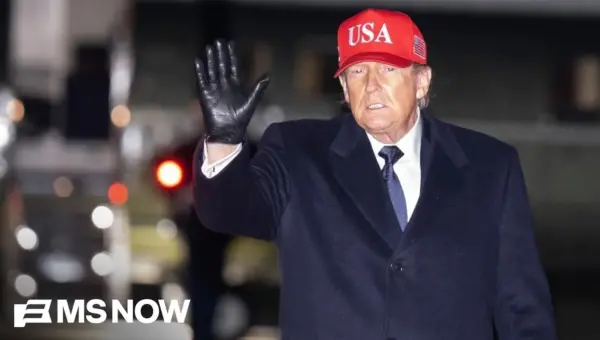
Merkley Slams Trump’s Iran Action as ‘Unconstitutional War’
Senator Jeff Merkley has strongly condemned President Trump's recent military strikes on Iran, labeling them an "unconstitutional war." Merkley asserted that the president's actions violate the Constitution and the War Powers Act, drawing parallels to a child's tantrum and signaling a potential showdown over war powers on Capitol Hill.
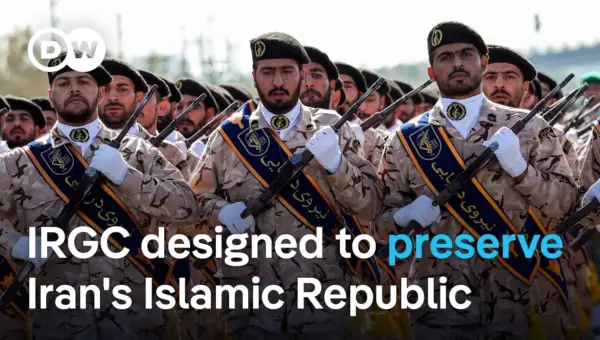
Iran’s IRGC Unlikely to Disarm Amidst Trump Threats
President Trump's demand for Iran's Revolutionary Guard Corps (IRGC) to disarm is unlikely to be met, according to Middle East historian Dr. Sio Ranchar Daimi. The IRGC is deeply entrenched in Iran's economy and security, acting as the regime's primary tool for control and external operations. Despite recent losses, the Guard remains ideologically committed to resistance.
Ex-CIA Director Slams Trump’s Iran Conflict as ‘Senseless Loss of Life’
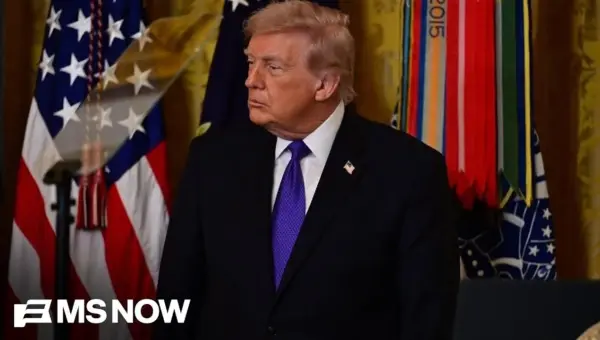
Former CIA Director John Brennan has strongly condemned the Trump administration's military actions against Iran, calling the conflict a "tragic, senseless, and needless loss of life." He warns of a repeat of the Iraq War's chaos and criticizes the administration's justifications and perceived Israeli influence.