Hayes Slams Trump’s Iran War Plans as ‘Morally Reprehensible’
MS NOW host Chris Hayes has strongly condemned potential U.S. military action against Iran, labeling it 'morally reprehensible' and illegal. Hayes argued that such a conflict would violate both the U.S. Constitution and international law. His statements highlight ethical concerns and the potential for widespread suffering, urging that these issues must be openly discussed.

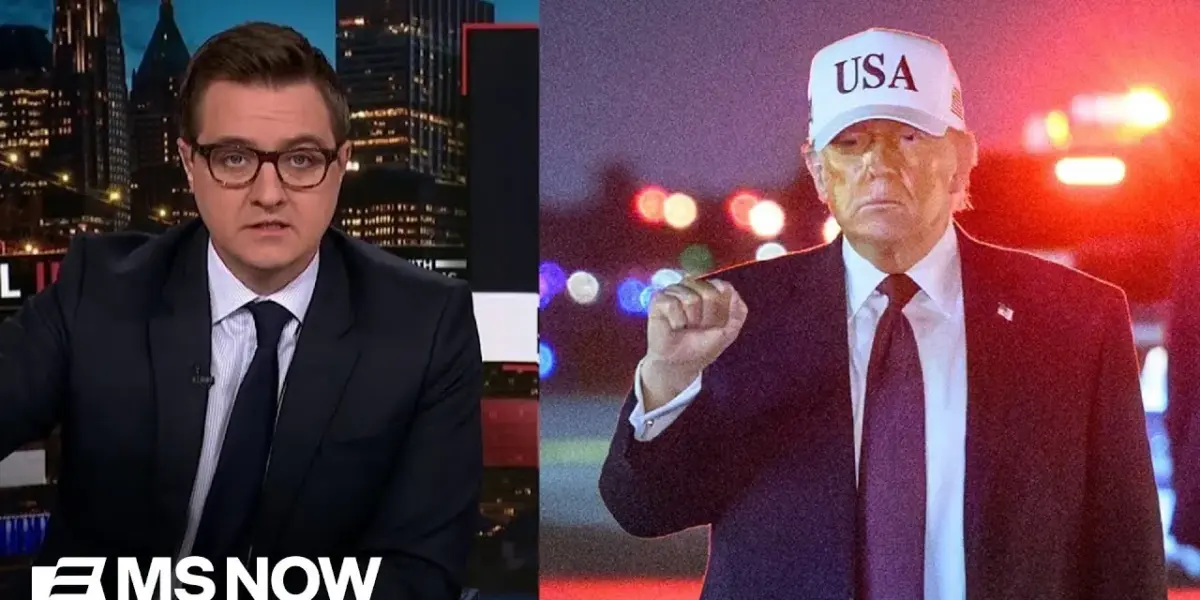
Hayes Denounces Potential Trump Conflict with Iran
MS NOW host Chris Hayes has sharply criticized the possibility of military conflict between the United States and Iran under a potential future Trump administration, labeling such actions as not only unconstitutional and illegal under international law but also ‘morally reprehensible’ and fundamentally ‘wrong.’ Hayes emphasized the necessity of voicing these concerns, stating, ‘All of this may sound obvious, but it must be said.’ The comments, made on the MS NOW platform, underscore a growing unease about escalating geopolitical tensions in the Middle East and the legal and ethical frameworks surrounding potential U.S. military engagements.
Legal and Ethical Objections Raised
Hayes’s critique delves into multiple layers of objection to a potential U.S. war with Iran. He asserts that such a conflict would violate the U.S. Constitution, which vests the power to declare war in Congress, not solely in the executive branch. Furthermore, he points to the realm of international law, suggesting that unilateral military action by the U.S. against Iran, without clear provocation or international consensus, would breach established global norms and treaties. The most potent part of his argument, however, centers on the moral dimension. By calling the potential war ‘morally reprehensible,’ Hayes invokes a higher ethical standard, implying that the human cost, the potential for widespread suffering, and the destabilizing consequences would render such an action inherently unjustifiable, regardless of legal justifications.
“More than just being unconstitutional, and very clearly illegal under international law, this war is also morally reprehensible. It’s wrong,” says Chris Hayes. “All of this may sound obvious, but it must be said.”
Broader Geopolitical Context
The statements by Chris Hayes arrive at a critical juncture in Middle Eastern geopolitics. The region has been a focal point of international concern for decades, marked by intermittent conflicts, shifting alliances, and the persistent threat of broader conflagrations. The U.S. has a complex and often contentious relationship with Iran, characterized by sanctions, diplomatic standoffs, and proxy conflicts. A direct military confrontation, as alluded to by Hayes, would have profound and far-reaching consequences, potentially engulfing neighboring countries, disrupting global energy markets, and exacerbating humanitarian crises. The potential for such a conflict, especially if initiated under questionable legal or ethical pretenses, raises alarms among international observers, human rights advocates, and those concerned with global stability.
The Role of International Law and Constitutions
Hayes’s emphasis on the unconstitutionality and illegality under international law highlights the critical importance of adhering to established legal frameworks in matters of war and peace. The U.S. Constitution grants Congress the sole authority to declare war, a deliberate check on executive power designed to prevent impulsive military actions. International law, similarly, provides a framework for state behavior, aiming to maintain peace and security and prohibit aggressive warfare. When leaders contemplate military action, particularly on a large scale, the legitimacy and justification of these actions are often scrutinized through both domestic constitutional and international legal lenses. Hayes’s critique suggests that a war with Iran, under the circumstances he implies, would fail to meet these essential legal benchmarks, thereby undermining the U.S.’s standing on the global stage and potentially inviting international condemnation.
The Moral Imperative of Peace
Beyond the legal and political arguments, Hayes’s assertion that the war is ‘morally reprehensible’ speaks to a fundamental ethical obligation to seek peaceful resolutions to international disputes. The concept of ‘just war’ theory, explored in philosophy and ethics, sets criteria for the legitimate use of force, often emphasizing last resort, proportionality, and the protection of innocent lives. Hayes’s statement implies that a U.S. war against Iran would likely fall short of these ethical standards. The potential loss of life, displacement of populations, and destruction of infrastructure associated with such a conflict represent a significant moral burden. His insistence that these points ‘must be said’ underscores a belief that the moral implications of war should not be sidelined by political expediency or strategic calculations.
Looking Ahead
Chris Hayes’s strong condemnation serves as a significant voice of caution regarding potential U.S. foreign policy towards Iran. As geopolitical landscapes continue to evolve, and political rhetoric intensifies, the legal, ethical, and moral considerations surrounding international conflicts will remain paramount. Observers will be watching closely to see how these concerns are addressed and whether diplomatic avenues are prioritized over military ones in navigating the complex relationship between the United States and Iran.
Source: ‘It’s wrong’: Hayes says Trump’s war on Iran is ‘morally reprehensible’ (YouTube)

Related Articles

Trump’s Iran Gambit Backfires, Exposing Hypocrisy
Donald Trump's recent military actions against Iran have ignited controversy, exposing a stark hypocrisy in Republican responses to American casualties and a betrayal of his own anti-war promises. The piece delves into the legal questions surrounding executive war-making and the erosion of public trust.


Massie: Iran Strike Won’t Bury Epstein Files, Calls for Trump Deposition
GOP Rep. Thomas Massie argues that military actions in Iran are a distraction from the Jeffrey Epstein investigation, calling for Donald Trump's deposition. Bill Clinton's testimony offers a new perspective on Trump's past relationship with Epstein, potentially contradicting Trump's own accounts.

Six U.S. Service Members Dead Amid Escalating Iran Tensions
Six U.S. service members have died amid escalating tensions with Iran, with recent attacks contributing to the rising casualty count. Iran has also reportedly closed the vital Strait of Hormuz, a move that threatens global shipping and energy security.