Hawks Circle Trump: Will He Drag U.S. Into Costly New Wars?
Escalating war rhetoric from Republican figures, coupled with rising anti-Muslim sentiment, raises concerns about future U.S. foreign policy and its financial implications for younger generations. The GOP faces a critical juncture in addressing both its approach to international conflict and its internal struggles with bigotry.

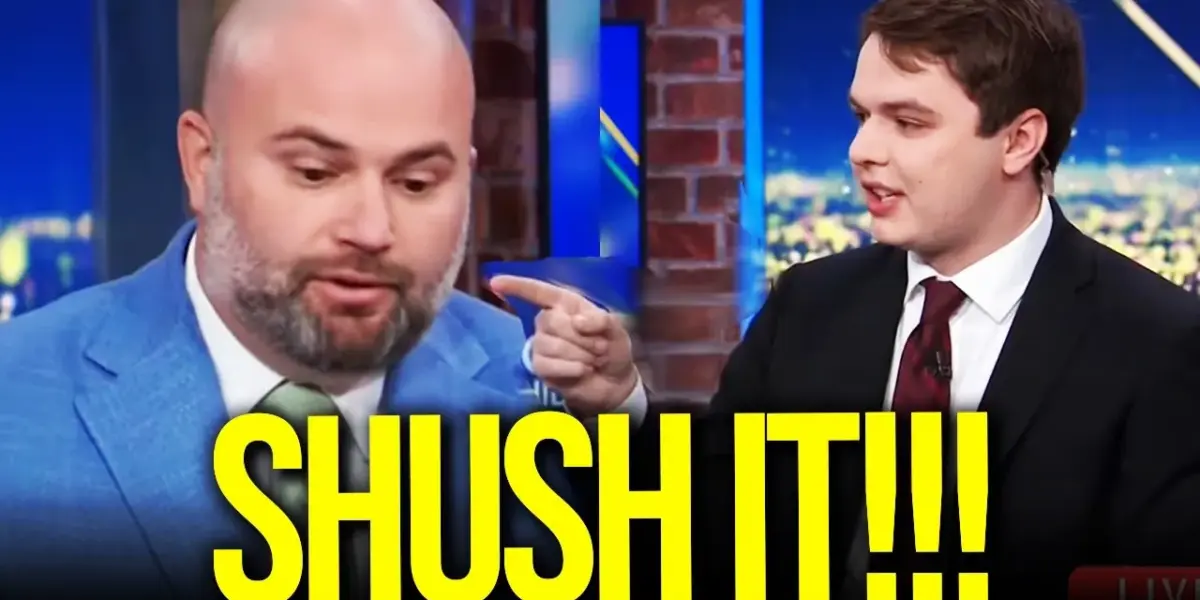
GOP Divided as War Rhetoric Escalates Amidst Domestic Strife
The political landscape is increasingly defined by a potent mix of domestic division and escalating foreign policy rhetoric, particularly concerning potential military engagement in the Middle East. A recent CNN discussion, featuring commentator Adam Schiff, highlighted sharp disagreements within the Republican party and among political figures regarding military intervention, the financial implications of war, and the troubling rise of anti-Muslim sentiment within certain factions of the GOP.
The Specter of Endless War and Generational Debt
A central theme emerging from the discussion is the deep concern over the financial burden of prolonged military conflicts. One speaker articulated a profound anger towards what they termed “neocon boomers” surrounding Donald Trump, arguing that this older generation is “mortgaging my generation’s future for another endless maybe endless but another very expensive Middle Eastern war.” The historical parallels drawn to the costly wars in Iraq and Afghanistan, which resulted in trillions of dollars in debt, underscore this anxiety. The speaker pointed out the staggering figure of $1 trillion paid annually in interest on the national debt, emphasizing that this financial strain will impact younger generations for decades to come.
The argument is framed as a generational power imbalance, where older individuals can initiate wars while younger generations, lacking the political power to stop them, are left to “foot the bill.” This sentiment is coupled with frustration over perceived “gaslighting,” where investments in domestic priorities like healthcare and infrastructure are deemed “fiscally irresponsible” while war spending is implicitly accepted. The Affordable Care Act subsidies, costing around $50 billion, are contrasted with the astronomical sums allocated to military endeavors.
Anti-Muslim Bigotry and the GOP’s Rhetorical Crisis
Beyond the foreign policy debates, the discussion also delved into a serious domestic issue: the rise of anti-Muslim rhetoric from within the Republican party. Congressmen like Andy Ogles and Randy Fine have made public statements deemed Islamophobic, with Ogles suggesting Muslims do not belong in American society and calling them “barbarians,” while Fine has called for the deportation of Muslims and the denaturalization of citizens.
Speaker Mike Johnson’s response to these comments has drawn criticism for its perceived reluctance to issue a strong condemnation. While acknowledging conversations with the congressmen, Johnson stated that “people who refuse to assimilate and follow a radical ideology that seeks to commit violence and terrorist acts have no business being in the country.” This statement, according to critics, sidesteps the direct question about the congressmen’s specific anti-Muslim remarks, instead pivoting to a broader discussion of radical ideology. This has led to accusations that Johnson is playing word games, particularly given his narrow majority in the House of Representatives, which often necessitates appeasing various factions within his party.
Hypocrisy and Selective Condemnation
The panel highlighted a perceived hypocrisy within the Republican party regarding bigotry. One speaker, identifying as a Muslim Republican who worked for the Bush administration, noted the party’s apparent welcoming stance towards anti-trans and anti-Muslim bigotry, while simultaneously reacting strongly when prejudice is directed towards Jewish people. This selective outrage, the speaker argued, indicates a need for the party to address and root out bigotry before it becomes entrenched.
The difficulty for figures like Speaker Johnson to condemn such remarks is attributed to his precarious one-vote cushion in the House. This political reality, it is argued, prevents him from drawing clear lines, even in cases of deeply offensive language. The example of Congressman Tony Gonzalez, who faced no condemnation from Johnson after a scandal involving a staffer’s death, is cited as evidence of this pattern.
The Influence of Neoconservatives and Trump’s Shifting Stance
A significant point of contention is the influence of neoconservative figures, like Senator Lindsey Graham, on Donald Trump’s foreign policy outlook. Historically, Trump has been critical of figures like Graham, labeling them “warmongers.” However, the transcript suggests a shift, with Graham now reportedly having significant access to and influence over Trump. This perceived shift from an “anti-war” stance to a willingness to engage in military action is a source of worry for those concerned about escalating conflicts.
The argument is made that figures like Graham, who actively engage with Trump and appear on platforms like Fox News to deliver messages, are shaping the former president’s current thinking. This is seen as a potential harbinger of “mission creep,” where Trump’s initial populist, anti-interventionist rhetoric may be giving way to a more interventionist foreign policy, driven by advisors with long-standing hawkish views.
The Justification for War and Strategic Ambiguity
The debate also touched upon the justifications for potential military action, particularly in relation to Iran and its nuclear program. While there’s a broad consensus that preventing Iran from obtaining nuclear weapons is a desirable outcome, questions arise about the effectiveness and justification of current strategies. The effectiveness of past military actions, like a bombing raid, and the continued enrichment of uranium by Iran are subjects of debate. The JCPOA (Joint Comprehensive Plan of Action) is mentioned as having been rendered moot, and the long-standing nature of Iran’s pursuit of nuclear capabilities is highlighted.
Critics question the framing of potential military action, pointing to the prolonged conflict in the region, which began as a “12-day war” but has extended significantly. There’s also concern about the economic risks and the potential for catastrophic consequences, especially concerning the Strait of Hormuz. The lifting of sanctions on Russia by the Trump administration is also brought up, with implications for Ukraine and increased Russian influence in targeting U.S. troops, especially in conjunction with Iran.
Chaos and Apathy in Foreign Policy
The Trump administration’s foreign policy decisions are characterized by some as creating “chaos.” Specific instances, like the posting and rapid deletion of a tweet regarding a ship escort through the Strait of Hormuz, are cited as examples of actions that have negatively impacted global markets. The administration’s approach is described as “apathetic” to critical intelligence, such as Russia providing intelligence to Iran, leading to the deaths of U.S. troops.
The core question posed is whether strategic risks and economic sacrifices are worth denying Iran a nuclear weapon. However, the lack of a clear “strategy” is a recurring criticism. The hyper-partisan nature of the current foreign policy efforts is also lamented, with concerns that it is making the United States look bad on the global stage.
Why This Matters
The confluence of escalating war rhetoric, domestic political divisions, and the rise of divisive social commentary presents a critical juncture for American foreign policy and its standing in the world. The potential for costly, protracted military engagements carries immense financial and human costs, disproportionately burdening future generations. Furthermore, the normalization of anti-Muslim sentiment within a major political party erodes core American values of pluralism and religious freedom, potentially alienating allies and fueling domestic extremism.
Implications, Trends, and Future Outlook
The current political climate suggests a potential return to more interventionist foreign policies, influenced by hawkish advisors and a willingness to engage militarily in the Middle East. The Trump administration’s “America First” rhetoric, which initially promised de-escalation, appears to be evolving, potentially driven by external pressures and the influence of figures like Lindsey Graham. The GOP’s internal struggles with bigotry could continue to define its public image and policy stances, impacting its ability to govern effectively and maintain broad public trust.
The trend towards generational fiscal irresponsibility, where war spending is prioritized over domestic investment, is likely to continue unless there is a significant shift in political priorities and public discourse. The future outlook involves navigating these complex dynamics, balancing national security concerns with the imperative of fiscal prudence and the commitment to inclusive, pluralistic domestic values.
Historical Context and Background
The discussions echo historical debates surrounding American interventionism, particularly in the Middle East. The post-9/11 era saw extensive military engagements in Afghanistan and Iraq, which, while intended to enhance security, resulted in immense financial costs and protracted conflicts. The rise of neoconservatism as a foreign policy ideology advocating for assertive U.S. engagement and the promotion of democracy abroad has been a recurring theme in American foreign policy for decades. Similarly, the struggle for civil rights and against religious and ethnic discrimination has a long history in the United States, with periods of heightened tension and progress. The current rhetoric reflects a continuation of these ongoing societal and political debates.
Source: MAGA Panelist Can't Defend Trump's War (YouTube)

Related Articles

Accuser’s Verified Details Bolster Trump Allegations
A South Carolina newspaper has confirmed numerous factual details from the story of a woman accusing Donald Trump of assault. While the assault allegations themselves remain unverified by the paper, the corroboration of her background experiences with Jeffrey Epstein and her family's legal troubles raises questions about the credibility of her entire account.

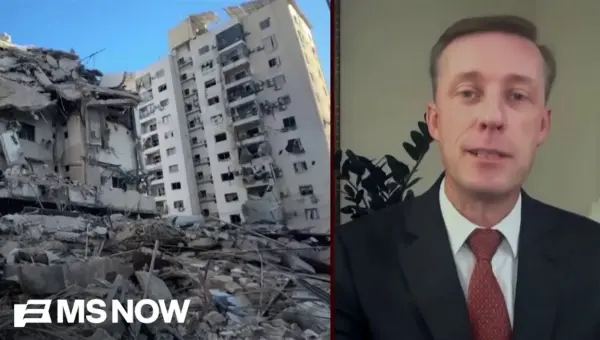
Sullivan Slams ‘Lack of Planning’ in Iran Conflict
Former National Security Advisor Jake Sullivan criticized the current administration's handling of the conflict with Iran, citing a "sheer lack of planning" and unclear objectives. He argued that while tactical military gains have been made, the operation has resulted in strategic setbacks and does not enhance U.S. security, calling for a pivot to diplomacy and sanctions relief.
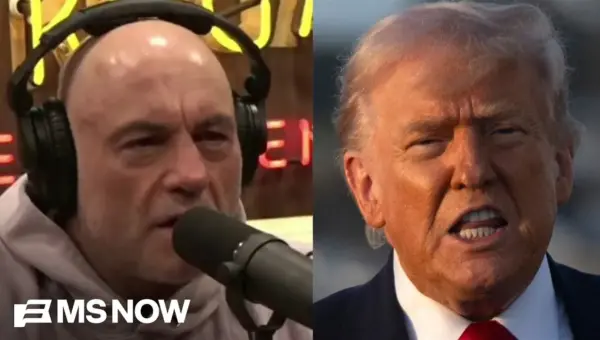
Joe Rogan Slams Trump’s ‘Insane’ Iran War, Voters Feel Betrayed
Joe Rogan criticizes Donald Trump's foreign policy, calling the Iran war "insane" and a betrayal of campaign promises. The White House is now reportedly advising Republicans to abandon "mass deportation" rhetoric due to negative polling. The article explores public disillusionment fueled by economic pressures and perceived injustices in immigration enforcement.