Hawaii Doctor Found Guilty of Attempted Manslaughter in Wife’s Attack
A Hawaii jury found Dr. Ghaith Koig guilty of attempted manslaughter after he was accused of attacking his wife on a hike. Prosecutors presented evidence of a brutal assault, including attempts to push her off a cliff and strike her with a rock. The verdict came as a surprise to some legal experts, who felt the evidence pointed more towards attempted murder or self-defense.

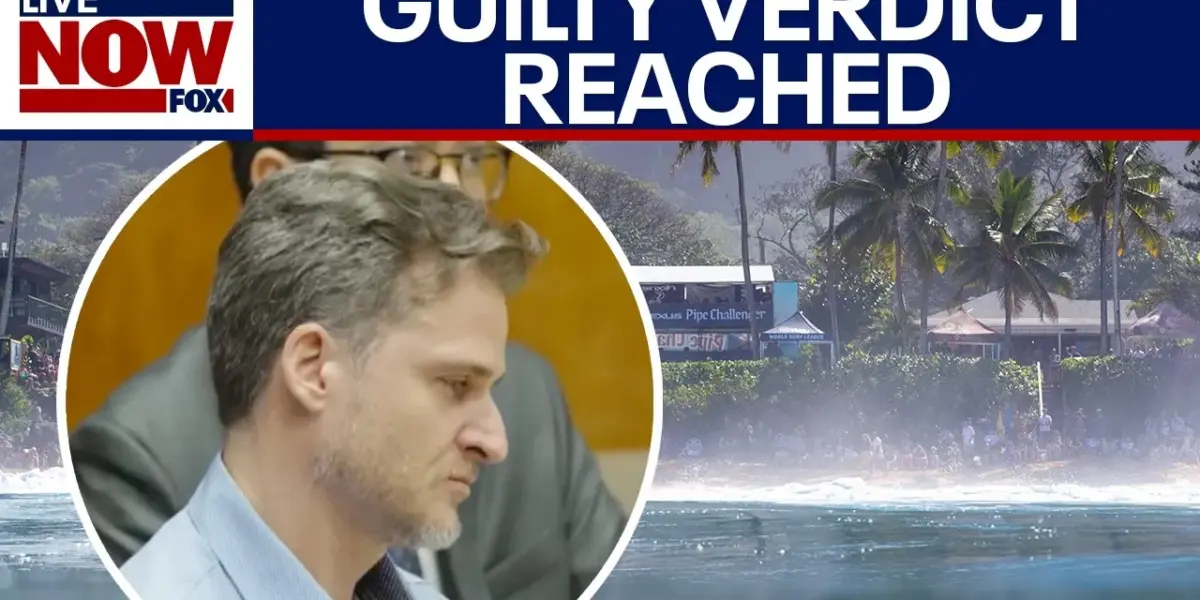
Doctor Convicted in Brutal Hike Attack
HONOLULU, HAWAII – A jury in Honolulu has found Dr. Ghaith Koig guilty of attempted manslaughter in the shocking attack on his wife during a hike on Oahu. The verdict came after eight hours of deliberation, concluding a trial that captivated the state. Prosecutors argued Koig attempted to murder his wife after discovering she was having an emotional affair, leading to a violent confrontation on a cliffside.
The Attack and the Charges
The incident, which occurred on a hike, involved Koig allegedly attempting to push his wife off a cliff. The prosecution presented evidence that he also tried to inject her with a syringe and struck her head with a rock multiple times. Despite the severity of the assault, the victim survived the ordeal. The defense, however, maintained that Koig acted in self-defense.
“We the jury in this case find the defendant guilty of attempted manslaughter based upon extreme mental or emotional disturbance.”
The jury’s decision to convict Koig on the lesser charge of attempted manslaughter, rather than the initial charge of second-degree attempted murder, has raised questions. Nema Rahmani, a former federal prosecutor, described the verdict as a “headscratcher” and a “compromise verdict.” Rahmani explained that the evidence presented seemed to point towards either attempted murder or self-defense, with little middle ground.
Understanding the Verdict
Manslaughter, under the law, typically involves actions taken due to extreme emotional distress or “the heat of passion.” Rahmani noted that finding out about an affair three months prior and seeking counseling might not qualify as sufficient emotional disturbance for a manslaughter charge. He suggested the jury may have struggled to reach a unanimous decision on the attempted murder charge and opted for a compromise to conclude the trial.
For Koig, this verdict carries significant implications. While he faced a potential life sentence for attempted murder, the attempted manslaughter conviction carries a maximum penalty of 20 years in Hawaii prison. Rahmani believes this outcome is likely a win for the defense, given the circumstances.
Key Evidence and Testimony
Several key pieces of evidence and testimony played a crucial role in the trial. The victim’s own powerful testimony, despite her injuries, was impactful. Eyewitness accounts corroborated the violence of the attack. Perhaps most damaging was the testimony of Koig’s own son, who stated that his father admitted to trying to kill his wife.
The prosecution highlighted the deliberate nature of the attack, including the alleged attempt to use a syringe. Koig, an anesthesiologist, denied the syringe was ever present. However, the evidence of the rock and the violent assault painted a grim picture. Rahmani emphasized that the combination of motive, means, opportunity, eyewitnesses, and admissions created a strong case for the prosecution.
Defense Strategy and Jury Deliberations
Koig himself testified over two days, asserting a self-defense claim. This strategy aimed to create doubt about the prosecution’s narrative. However, the jury ultimately did not find his self-defense argument convincing enough to warrant an acquittal. The foreman of the jury reportedly told media that the jurors believed Koig was under extreme emotional distress, a factor that likely influenced their decision towards manslaughter.
Rahmani pointed out that the legal definition of manslaughter requires immediate emotional distress, not a cooling-off period. He compared it to cases where individuals act impulsively in the heat of the moment, distinguishing it from premeditated actions. The prosecution’s case, he argued, showed planning and intent, making the manslaughter verdict surprising.
Sentencing and Future Prospects
With the guilty verdict on attempted manslaughter, Koig now awaits sentencing. Rahmani anticipates that the judge may impose a sentence close to the maximum, considering the brutality of the crime, the eyewitness accounts, and Koig’s own admissions. He cited other cases where judges have handed down significant sentences despite jury acquittals on more serious charges, emphasizing the judge’s discretion and the severity of the conduct involved.
The defense has announced plans to appeal the verdict. However, Rahmani believes an appeal is unlikely to be successful. He explained that appeals typically focus on legal errors rather than factual disputes, and the jury’s decision was based on assessing the facts presented. The conviction on attempted manslaughter, he concluded, was a factual determination by the jury that is difficult to overturn on appeal.
Looking Ahead
The case of Dr. Ghaith Koig highlights the complexities of the legal system and jury decision-making. While the conviction offers a measure of justice for the victim, the specific verdict has sparked debate among legal experts. The upcoming sentencing will be closely watched, as will the defense’s appeal efforts. The outcome serves as a stark reminder of the consequences of domestic violence and the potential for extreme actions stemming from personal turmoil.
Source: Guilty verdict reached for Hawaii doctor on attempted manslaughter charge (YouTube)

Related Articles


Husband Arrested in Missing American’s Bahamas Disappearance
Brian Hooker, husband of missing American Lynette Hooker, has been arrested and is being questioned in the Bahamas. His wife vanished five days ago, and her daughter doubts Brian's account of her falling overboard, citing a history of domestic abuse.


US Husband Arrested in Wife’s Disappearance in Bahamas
Bahamian police have arrested the husband of missing American Lynette in connection with her disappearance. She vanished after reportedly falling overboard from a boat earlier this week. The arrest follows allegations of past violence by the husband made by Lynette's daughter.


Hawaii Doctor Guilty of Attempted Manslaughter in Cliffside Attack
Hawaii doctor Ghart Koig was found guilty of attempted manslaughter with extreme mental or emotional disturbance today. The verdict follows a trial where he was accused of attacking his wife during a cliffside hike. The defense plans to appeal the decision, while the prosecution seeks imprisonment.