Gulf Tensions Spark Global Food Crisis Fears
Escalating attacks in the Persian Gulf are disrupting vital fertilizer supplies, threatening a global food crisis. Countries reliant on imports face shortages as key production hubs are hit, while the US remains relatively insulated.

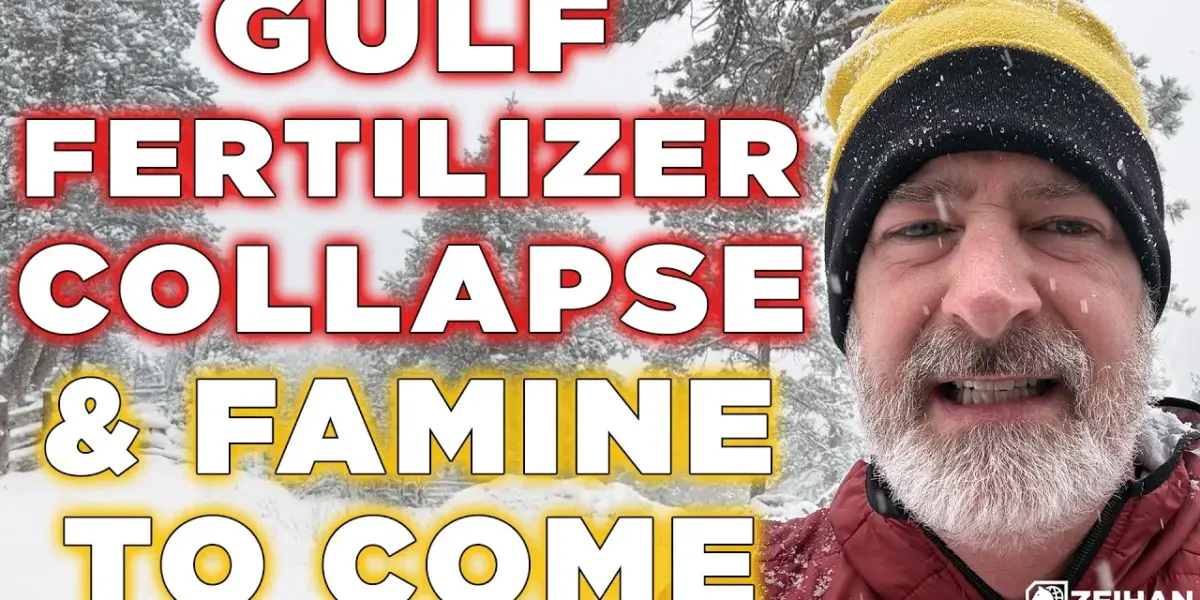
Gulf Tensions Spark Global Food Crisis Fears
Recent attacks in the Persian Gulf are threatening more than just regional stability; they are raising serious concerns about the world’s food supply. Missile and drone strikes are hitting key infrastructure, especially in Kuwait and the United Arab Emirates. These attacks are straining the defenses of these nations, and critical sites like airports and energy facilities are being targeted. This escalating conflict has direct consequences for global food production, particularly concerning fertilizers.
Fertilizer: The Key to Global Food
Fertilizers are essential for modern agriculture, helping crops grow and produce higher yields. There are three main types: potash, phosphate, and nitrogen-based fertilizers. Each comes from different sources, and disruptions to their supply chains can severely impact food security worldwide.
Potash: Mostly Unaffected
Potash, a potassium-based fertilizer, is mainly mined. The largest producers are Canada (Saskatchewan), Belarus, and Russia. Fortunately, these sources appear to be currently unaffected by the Gulf conflict. This means one crucial part of the fertilizer market remains relatively stable.
Phosphate: Minor Regional Impact Expected
Phosphate fertilizer comes from a mineral often called fossilized bird droppings. Major producers include Saudi Arabia, Morocco, Peru, and Florida in the United States. While Saudi Arabia is a producer, its contribution to the global supply is small. Any impact on Saudi phosphate is unlikely to be critical, as it can be transported overland to western markets, though this is not ideal.
Nitrogen: The Critical Weakness
The most significant problem lies with nitrogen-based fertilizers. These are typically made from oil or natural gas. The primary source for this critical resource is Qatar, a small nation on the western side of the Persian Gulf. Qatar sits atop the massive South Pars natural gas field, one of the largest in the world. This field provides abundant natural gas, making fertilizer production very cheap there.
Qatar uses this natural gas to produce liquefied natural gas (LNG), supplying about 10% of the global total. However, its facilities have already been hit by attacks. Even if the conflict ends soon, it could take at least six months for these facilities to resume operations. More importantly, Qatar uses its natural gas to create ammonia, which is then converted into urea. Urea is a nitrogen-based fertilizer spreadable in solid form. One facility in Qatar is responsible for roughly 11% of the world’s urea production. This crucial supply has now been cut off.
Broader Gulf Impact on Nitrogen
Beyond Qatar’s specific urea production, the entire Persian Gulf region is a major hub for ammonia. Collectively, the Gulf countries produce between 30% and 35% of the world’s ammonia. All of this production is now at risk or has already stopped due to the conflict. While nitrogen fertilizer can also be derived from oil, this creates another problem. About 20% of global oil production is currently offline because of the situation in the Persian Gulf. This means even alternative methods for producing nitrogen fertilizer face supply chain disruptions.
US Resilience vs. Global Vulnerability
The United States is in a relatively strong position. As a net oil exporter with vast natural gas reserves, it produces most of its own nitrogen needs and can increase production if prices rise. Therefore, the US is unlikely to face severe fertilizer shortages, though prices will certainly increase. However, most other countries are not so fortunate.
For the rest of the world, the outlook is grim. They rely heavily on imports for nitrogen-based fertilizers. With Gulf supplies gone and oil disruptions, these nations face chronic deficits for years to come. This situation is expected to cause global food production to stall and then decline significantly.
Regions Facing the Worst Shortages
Several regions are particularly vulnerable. China, which imports most of its fertilizer needs or the raw materials to make it, is at the top of the list. South Asia, including India, also faces severe pressure. These countries must find ways to secure their own access to fertilizer supplies. This might involve developing new security policies to protect their interests and ensure access to vital resources, potentially even establishing direct trade routes that bypass current conflicts.
Historical Context and Future Outlook
The current crisis echoes past disruptions in global supply chains, but the scale of fertilizer dependency makes this situation particularly concerning. The world has grown accustomed to abundant and affordable food, largely thanks to the widespread use of fertilizers. The current conflict in the Persian Gulf is severing a critical link in that chain. If these disruptions continue, the world could face widespread food shortages, leading to increased prices, social unrest, and geopolitical instability. Nations will need to rethink their agricultural policies and international trade relationships to adapt to this new reality.
Global Impact: Why This Reshapes the World Order
The disruption of fertilizer supplies from the Persian Gulf is more than an economic issue; it’s a fundamental threat to global food security. As fertilizer becomes scarce and expensive, crop yields will fall worldwide. This will lead to higher food prices and potential famine in vulnerable regions. Countries heavily reliant on imports, like China and India, will be hit hardest. The United States, due to its domestic energy and agricultural resources, will be more insulated but still affected by rising global prices. This crisis highlights the interconnectedness of global energy, trade, and food systems, forcing a reassessment of international dependencies and the strategic importance of regions like the Persian Gulf.
Source: As Fertilizer Falls, Famine Will Follow || Peter Zeihan (YouTube)

Related Articles

G7 Allies Clash Over Iran War Strategy, Urge Focus on Russia
G7 foreign ministers met in Paris, revealing deep divisions over the U.S. war with Iran. European allies urged the U.S. to pressure Russia, linking its actions to the conflict and fearing support for Ukraine will wane.
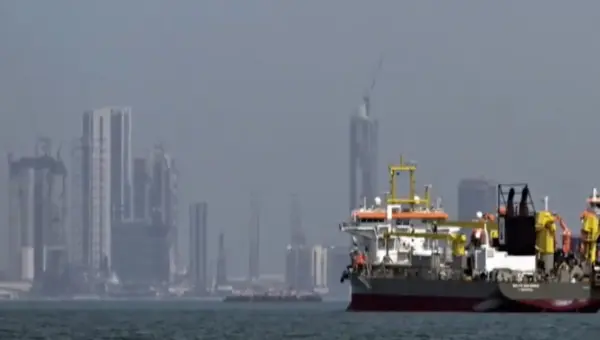
Iran Blocks China Ships, Exposing Beijing’s Weak Grip
Iran's recent decision to block Chinese ships at the Strait of Hormuz is exposing the limits of Beijing's influence in the Middle East. This action is causing delays and cancellations for Chinese manufacturers, turning a perceived geopolitical win into an economic strain.
Trump’s “Walk Away” Tactic Signals Tougher Stance on China
Retired Air Force Brigadier General David Stillwell believes President Trump's strategy of being willing to walk away from negotiations puts pressure on China. This tactic, combined with US global actions and strengthened alliances, signals a more assertive American foreign policy.